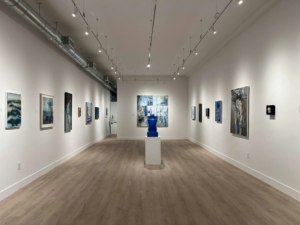

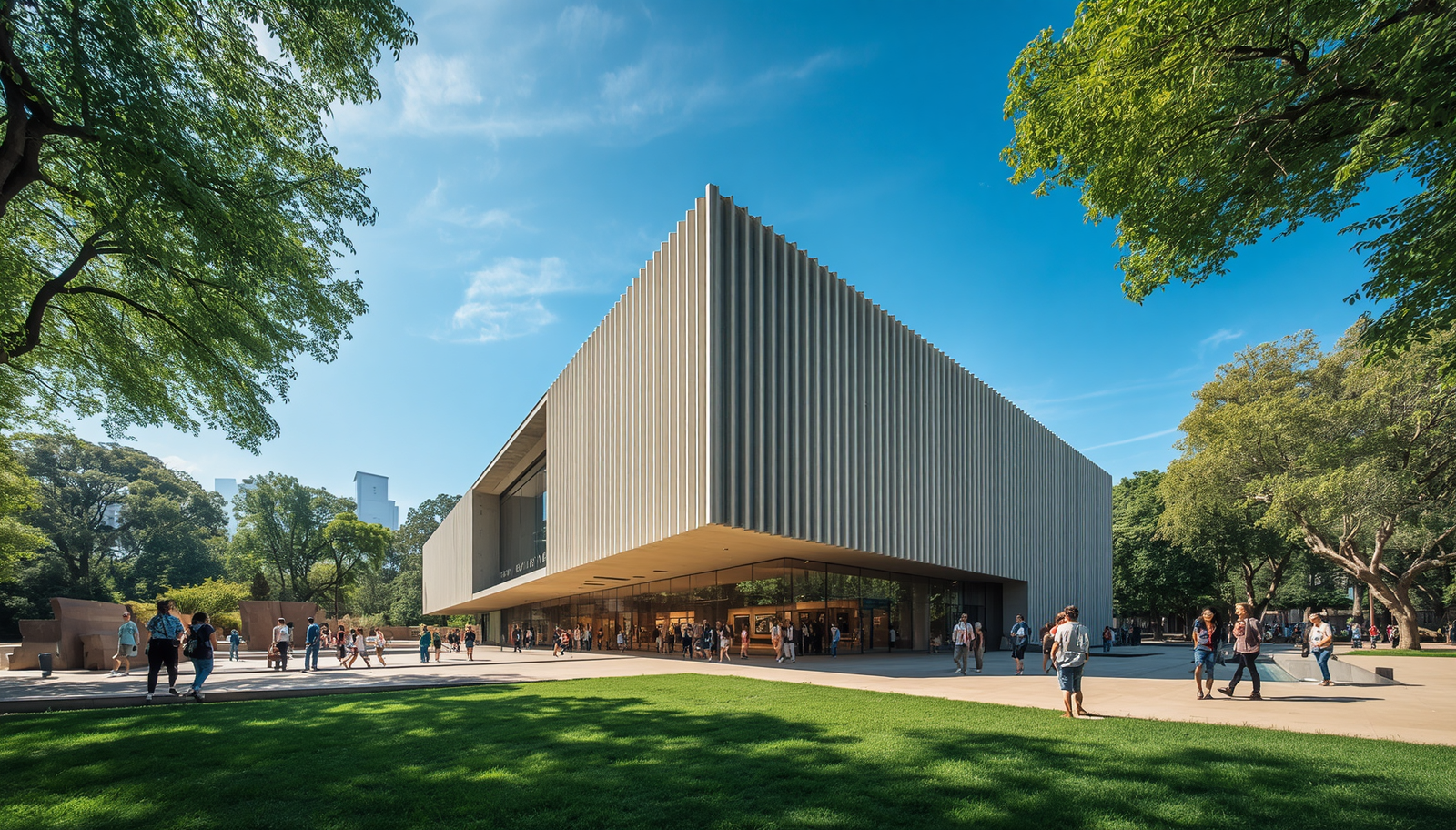
Galleries and museums might not look like particularly complicated workplaces from the outside. Behind the exhibitions, however, there can be a surprisingly varied workforce.
A single venue might employ permanent administrators, part-time visitor services staff, casual gallery attendants, technicians, cleaners and event staff. Opening hours can change around exhibitions, launches and public programs. Employees may work evenings, weekends or at more than one location.
That makes payroll about more than entering someone’s hours at the end of the week.
For Australian museums and galleries, there is another consideration. Fair Work includes museums and galleries within the Amusement, Events and Recreation Award, although the award that applies to an individual employee still depends on the circumstances of their employment. The award includes provisions covering matters such as penalty rates and overtime.
So what should a gallery or museum actually look for when choosing payroll and workforce software?
1. Rostering that can handle changing opening hours
A gallery rarely operates on exactly the same staffing pattern every week.
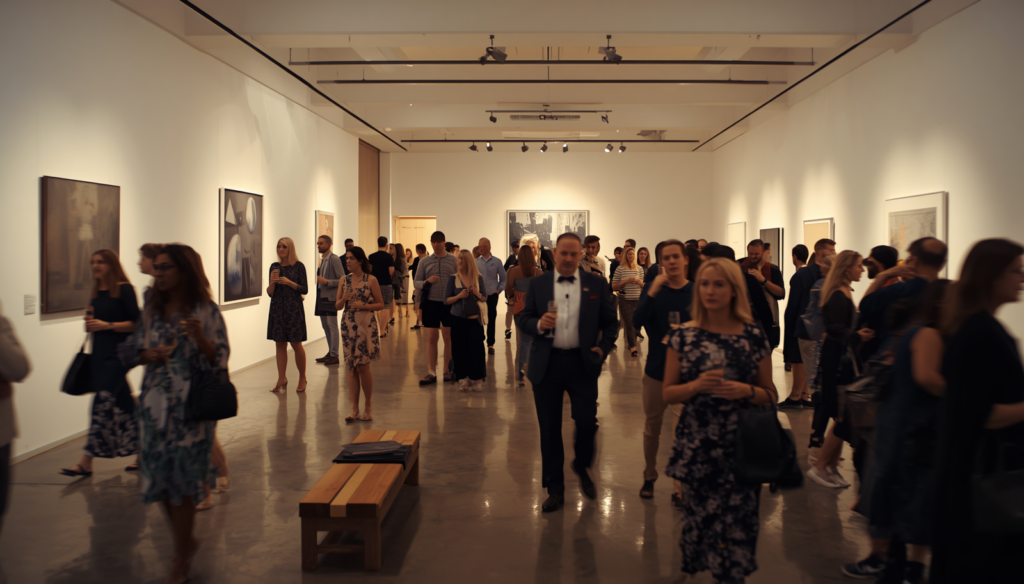
A new exhibition may require additional front-of-house coverage. An opening night could run well into the evening. School visits, workshops and weekend events can create short periods where additional staff are needed.
Good rostering software should make it easy to change shifts, see employee availability and understand labour costs before the roster is published.
This becomes more important when casual employees regularly cover gaps or staff move between different roles and locations.
2. Time and attendance for casual and event staff
The roster records what was meant to happen. Payroll needs to know what actually happened.
An employee rostered until 5:00 pm might stay until 6:30 pm because an exhibition launch runs late. Someone may start early to prepare a gallery space, take a different break or cover another employee’s shift.
Those differences need to be captured accurately.
Digital time and attendance can reduce the reliance on handwritten timesheets, spreadsheets and employees reconstructing their hours later. It also gives managers a clearer record to review before those hours reach payroll.
This matters because payroll accuracy often breaks before payroll even begins. If the hours going into payroll are wrong, even good payroll software can produce the wrong result.
3. Payroll that handles different employee arrangements
Museums and galleries can have a mix of salaried, part-time and casual employees working across very different schedules.
That means the payroll system needs to handle more than a standard Monday-to-Friday workforce.
For Australian organisations, it is worth checking how the software manages the pay conditions that apply to your employees, including classifications, overtime, weekend work, public holidays, allowances and other relevant rules.
The important question is not simply whether the software “does payroll”. It is how much manual work is required to get from an employee’s actual hours to the correct pay outcome.
4. Keeping rostering, attendance and payroll connected
This is easy to overlook when comparing software.
A gallery might have a perfectly capable rostering system, a separate app for recording attendance and another platform for payroll. Each tool may work well individually.
The problem appears between them.
Someone still needs to export a timesheet, import it elsewhere, correct an employee record or reconcile a shift that changed after the roster was published. Research into the operational risks of separate rostering, timesheet and payroll tools makes the same point: every additional handover creates another place where information can be delayed, duplicated or changed.
For galleries with changing rosters or multiple venues, reducing those handovers can be more useful than adding another standalone feature.
5. Employee records and HR
Payroll is only one part of managing employees.
Museums and galleries may also need somewhere to keep contracts, leave records, employment details, onboarding documents, qualifications and other workforce information.
Smaller organisations can often manage these records manually. As the team grows, particularly across several venues, having employee records connected to the same workforce system can make administration considerably easier.
What are some payroll software options for galleries and museums?
There is no single platform that will suit every organisation.
ClockOn is worth considering for galleries and museums with casual, part-time or shift-based staff. Its Australian payroll software connects with rostering, time and attendance and HR tools, which makes it particularly relevant where actual hours, roles and changing shifts need to move through to payroll without being repeatedly entered into separate systems. A broader independent overview of ClockOn also looks at its approach to combining these workforce functions.
Tanda is another Australian option aimed heavily at hourly and shift-based workforces, with rostering, time tracking, payroll and HR available within its platform.
Deputy is well known for rostering and time tracking and now also offers payroll and HR functionality in Australia, making it another platform worth comparing for organisations with variable schedules.
Employment Hero offers payroll alongside HR, rostering and broader employee-management tools, and may suit organisations looking for a wider HR platform rather than primarily a roster-to-payroll system.
The best choice depends on how the organisation actually operates. A small gallery with mostly salaried staff has very different requirements from a museum operating seven days a week across several venues.
Start with the working week itself: who works, when their hours change, how those hours are recorded and how much manual work is currently required before everyone gets paid.