
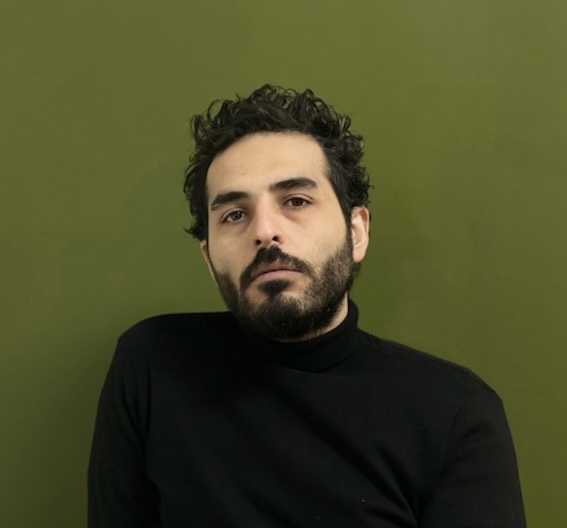
What happens when photography becomes more than a record of reality and begins to function as a form of historical inquiry? For Iranian contemporary artist Aidin Bagheri, images are not passive documents but active participants in the construction of memory, identity, and collective understanding. Working across photography, documentary cinema, installation, and academic research, Bagheri has developed a practice that challenges conventional distinctions between art and investigation, aesthetics and evidence.
Based between Tehran and Paris, Bagheri belongs to a generation of artists whose work moves fluidly across disciplines while remaining deeply rooted in lived experience. Trained in sociology, he approaches image-making as a process of observation and engagement, often developing projects through extended periods of fieldwork. Rather than offering definitive conclusions, his work creates space for questions about how societies remember, how histories are constructed, and whose experiences become visible within the public record.
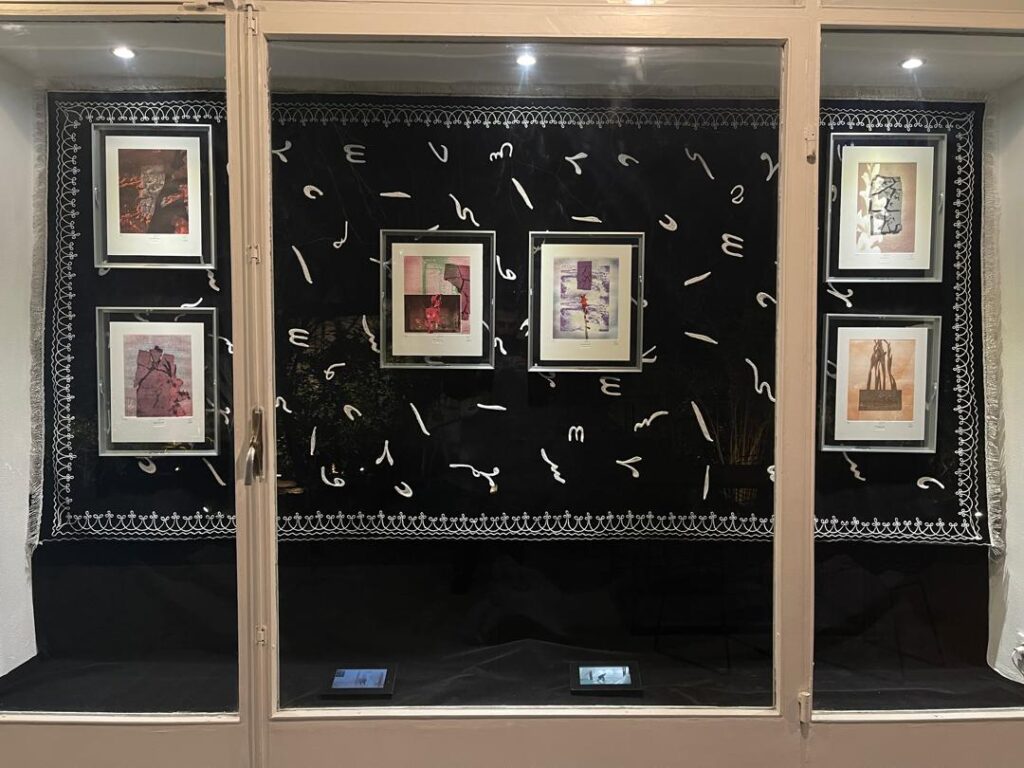
Over the past ten years, Bagheri’s work has been featured in numerous solo and group exhibitions, steadily building his presence within both Iranian and international contemporary art contexts. Through these presentations, he has developed a body of work that bridges documentary observation and critical inquiry, engaging audiences with questions of history, identity, labor, and collective memory. The sustained visibility of his practice across diverse exhibition platforms reflects a commitment to long-term research and visual storytelling, positioning him among a generation of artists expanding the possibilities of documentary-based contemporary art. Further underscoring his professional engagement with the Iranian art community, Aidin Bagheri is an official member of the Association of Photographers of Iran and the Association of Sculptors of Iran, affiliations that reflect the interdisciplinary nature of his artistic practice and its dialogue with both photographic and spatial forms.
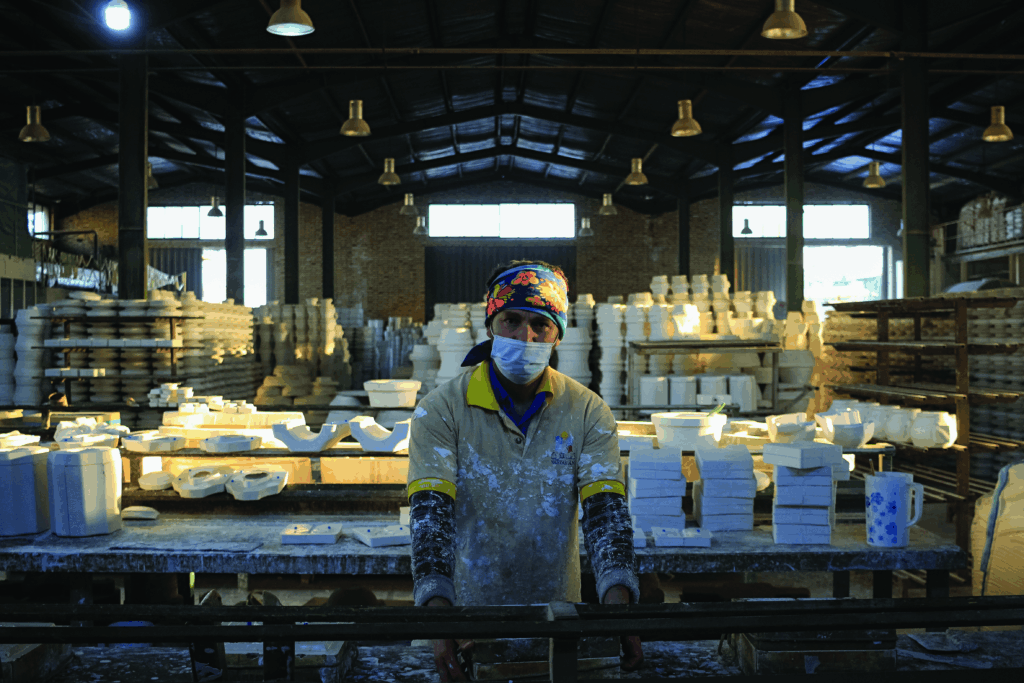
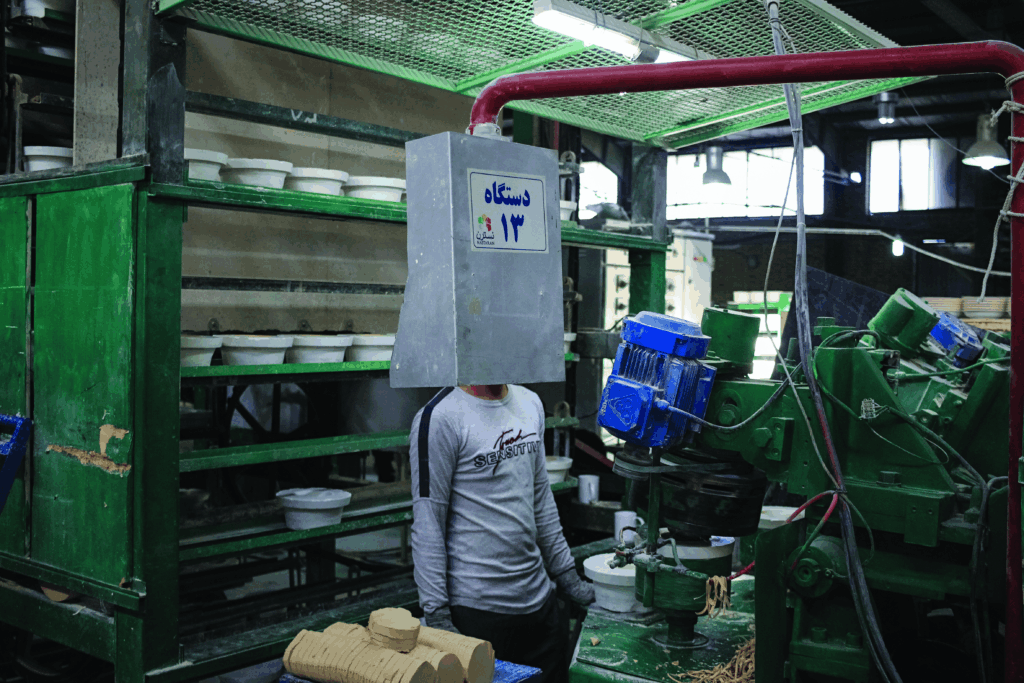
This concern is particularly evident in Zendeh Baad Karkhaneh, a photographic series that examines the lives and working conditions of laborers in Iranian factories. Developed through close observation and sustained engagement with industrial environments, the project moves beyond conventional representations of labor to reveal the human experiences embedded within spaces of production. Bagheri’s photographs capture moments of routine, endurance, and solidarity, drawing attention to the physical and emotional realities that often remain invisible behind systems of manufacturing and economic output.
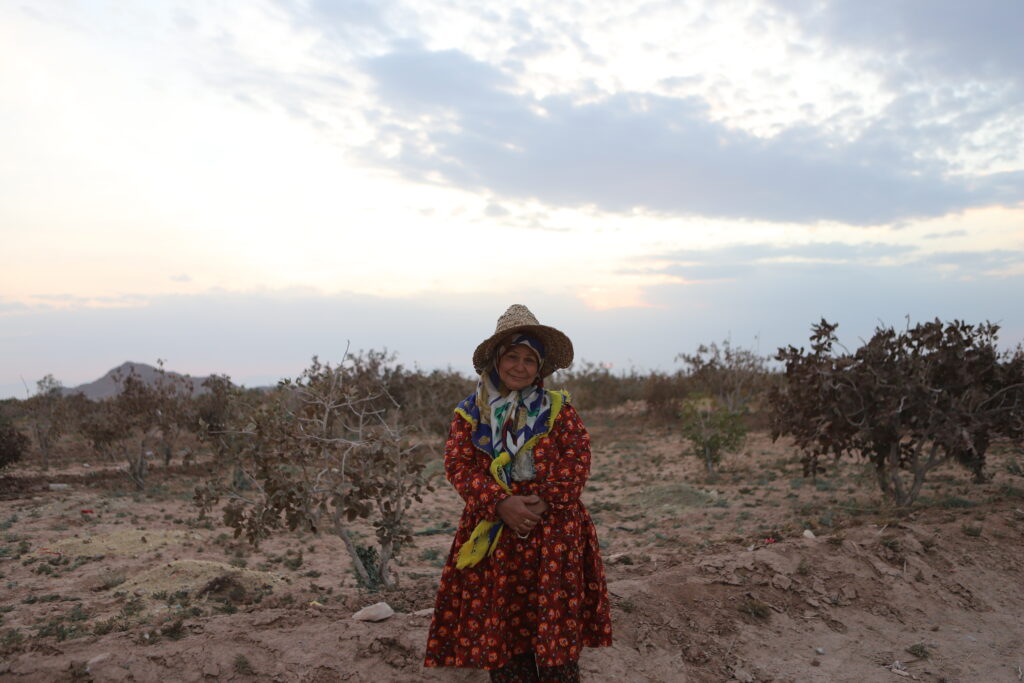
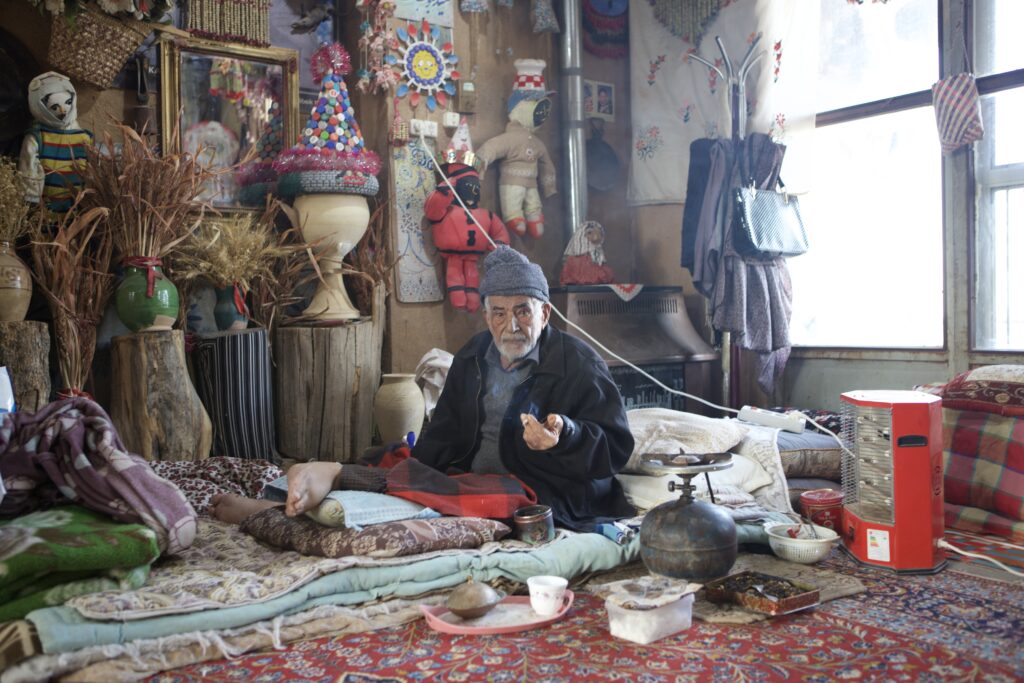
A similarly nuanced approach characterizes Garden of Dolls, a project centered on a remarkable environment created from discarded dolls and recycled objects in the Iranian desert. What could easily be framed as an eccentric curiosity is instead approached with sensitivity and attentiveness. Bagheri’s photographs reveal a space shaped by imagination and resilience, where abandoned materials acquire unexpected significance. The resulting images blur the boundaries between documentary observation and visual metaphor, inviting viewers to reconsider the ways meaning is constructed through acts of creation and preservation.
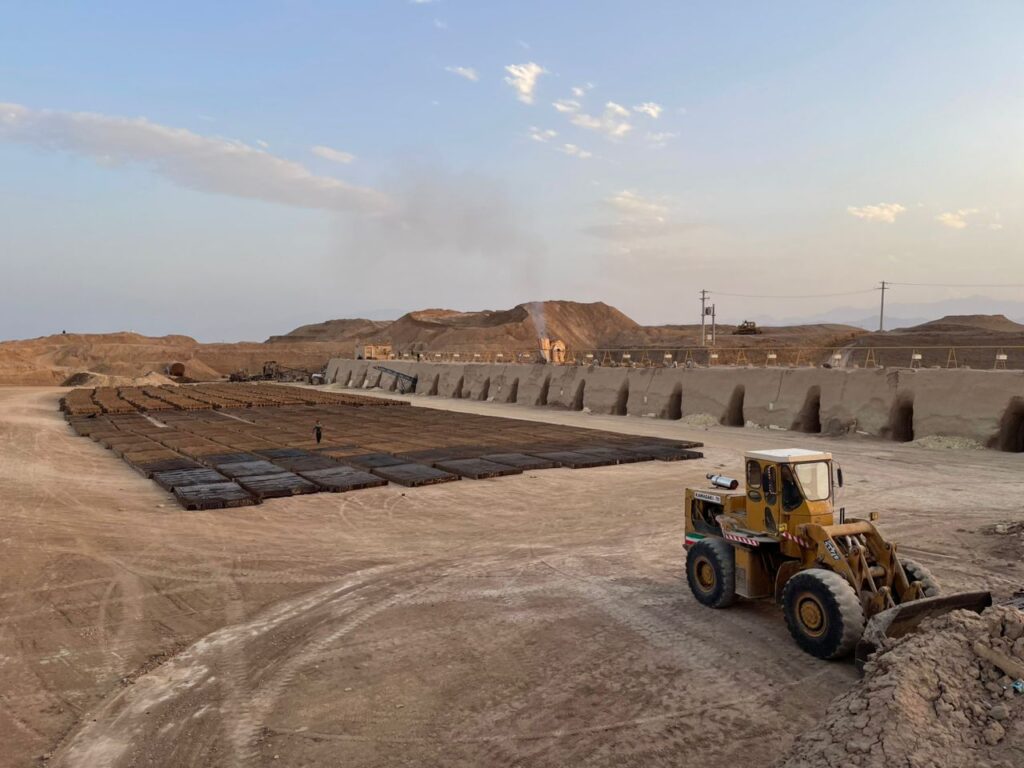
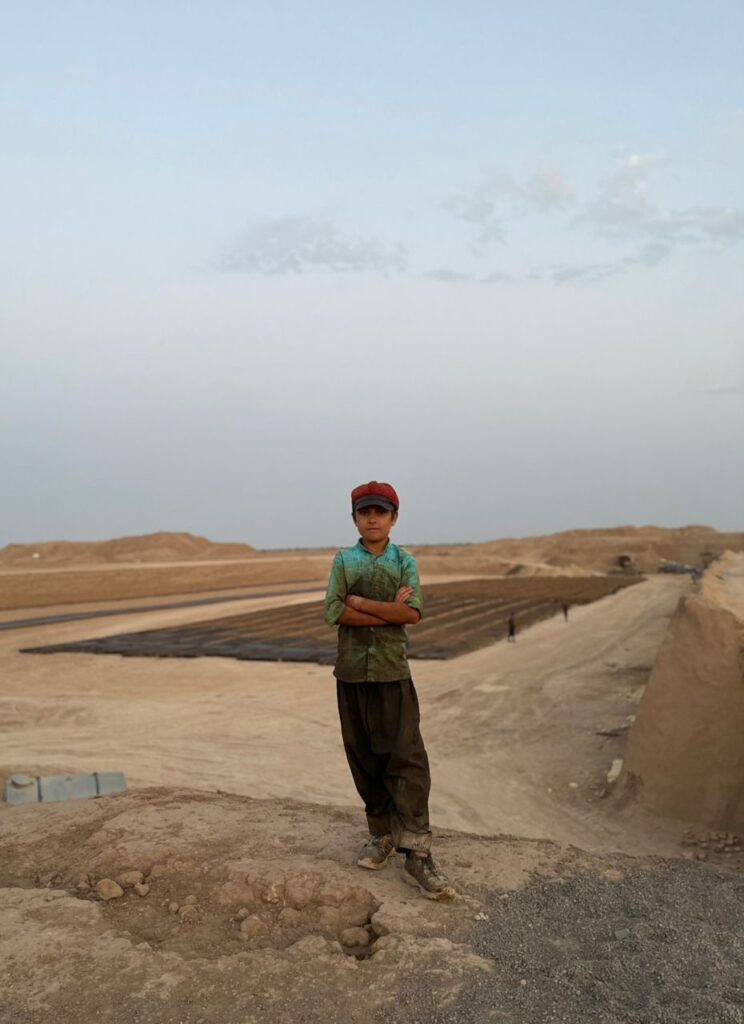
While photography remains central to his practice, Aidin Bagheri has increasingly expanded his exploration of social realities through documentary filmmaking. His recent documentary, Kiln House (2025), focuses on the lives of Afghan workers in Iran, a community whose experiences often remain underrepresented within dominant media narratives. Rather than relying on distant observation, the film foregrounds everyday realities, offering an intimate portrayal of labor, displacement, and dignity. Through careful attention to lived experience, Bagheri presents migration not as an abstract political issue but as a deeply human condition.
What distinguishes Bagheri’s work within contemporary visual culture is the close relationship between artistic production and research. His images do not merely illustrate ideas; they participate in the generation of knowledge. This perspective informs his ongoing doctoral research at the École des Hautes Études en Sciences Sociales (EHESS) in Paris, where he investigates the role of citizen photography in contemporary Iran.
At a time when billions of images circulate across digital networks, Bagheri’s research asks a fundamental question: who gets to create history? His work examines how photographs produced by ordinary individuals can function as alternative archives, preserving experiences and perspectives that frequently remain absent from institutional records.
In an era increasingly defined by contested histories, digital archives, and competing versions of truth, Aidin Bagheri’s work feels especially relevant. By bringing together documentary observation, visual storytelling, and critical research, he demonstrates how contemporary art can serve as a space where memory is questioned, histories are reconsidered, and new forms of understanding become possible.