
Luxx Optica, One Joli Girl Host Artsy Gathering in Palm Beach

The evening of Thursday, April 17th, saw a stylish confluence of art, big-eye binoculars, and professional networking at the exclusive social gathering hosted by Luxx Optica and One Joli Girl, held at 323 Worth Avenue, Suite B, in Palm Beach, Florida. Guests were treated to an artsy networking event with drinks in tow, seamlessly blending the worlds of luxurious World War II binoculars, fashion, and captivating curated art. The spotlight shone on the mesmerizing works by Todd Kenyon and Meliza Ruby Abreu (aka. Melrub), whose artwork and sculptures added a unique dimension to the sophisticated ambiance. Attendees mingled amongst the striking pieces, sparking conversations and adding an artistic flair to the evening. Models in attendance had an opportunity to chat with the team from One Jolie Girl, known for their model management, photography, and casting services. The official venue, Luxx Optica gallery in West Palm Beach, showcased stunning World War II binoculars with high-precision optics, which have been meticulously restored to their original glory, as well as a mix of finely-made reproductions. The intricate details and craftsmanship of these historic binoculars are truly a sight to behold, transporting visitors back in time to the era of the war. Each pair tells a unique story of its own. READ: 5 Popular Art Techniques Capturing Artist’s Hearts The event was a perfect blend of art, fashion, and networking, leaving everyone inspired for what’s to come. If you are an art collector and interested in purchasing functional artwork for your home or commercial space, send an email to sales@luxxoptica.com. For models interested in exploring the expert services of One Joli Girl, contact their team at onejoligirl@gmail.com. View this post on Instagram A post shared by One Joli Girl LLC. (@onejoligirl)
Pop Art: Its Beginnings and Influences
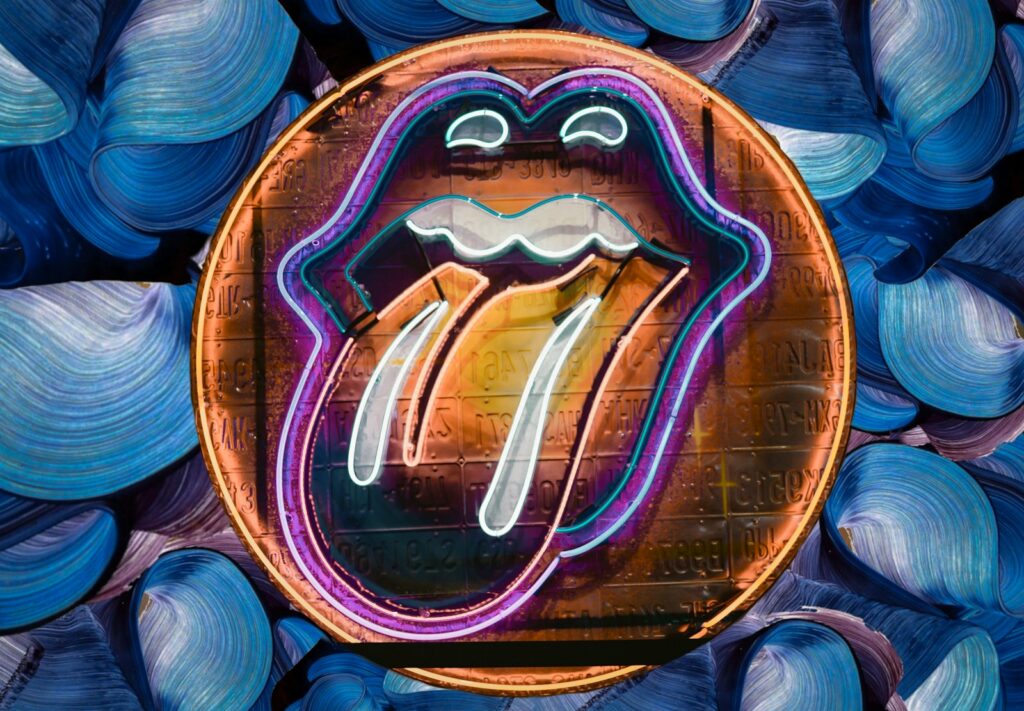
Pop art, a vibrant and revolutionary art movement, emerged in the mid-20th century, fundamentally challenging the established notions of fine art. Its origins can be traced to both Britain and the United States, where artists began to draw inspiration from the very fabric of popular and mass culture. Here’s a breakdown of the beginnings of pop art: The Roots in Britain: The Rise in the United States: READ: Monument to Victory: The Enduring Allure of the Arc de Triomphe Key Characteristics: In essence, the beginnings of pop art marked a significant shift in the art world, bringing everyday objects and mass media imagery into the realm of fine art. It was a movement that both celebrated and critiqued the consumer culture of the mid-20th century, leaving a lasting impact on subsequent artistic developments.
The Enduring Beauty of Stained Glass Art
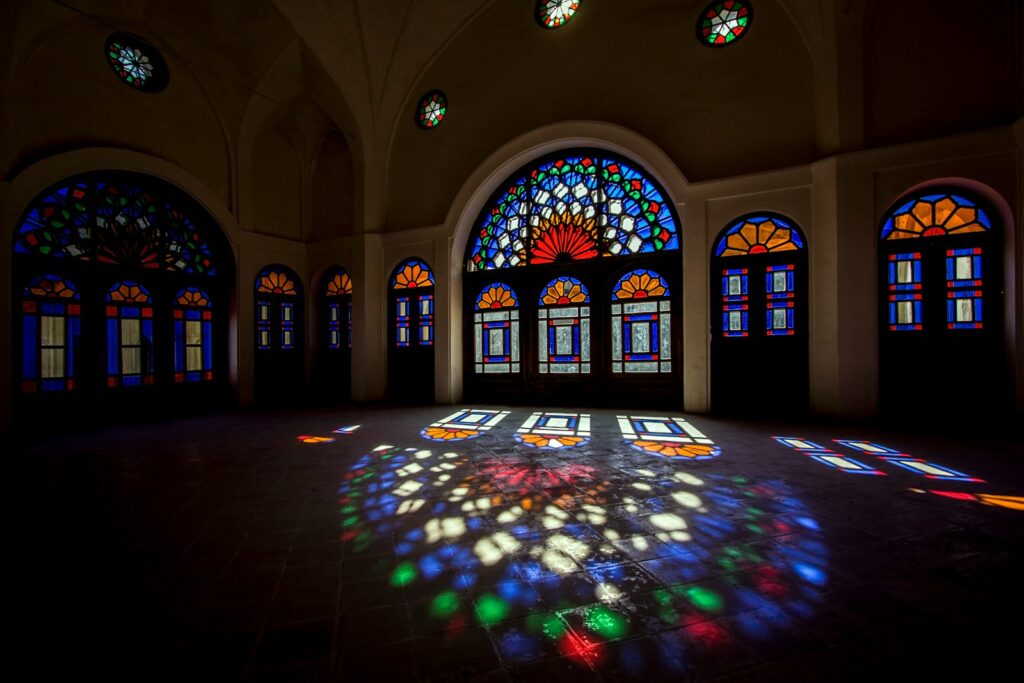
Stained glass art, a medium that transforms light into vibrant narratives, has captivated humanity for centuries. More than just decorative, it’s a testament to human artistry, technical ingenuity, and spiritual expression. From the grand cathedrals of medieval Europe to the intimate settings of contemporary homes, stained glass continues to illuminate our world with its ethereal beauty. The process of creating stained glass is a delicate dance between fire, color, and craftsmanship. First, molten glass, imbued with metallic oxides for coloration, is shaped into sheets. These sheets are then meticulously cut into precise shapes according to a design, often a “cartoon” drawn on paper. The edges of the glass pieces are smoothed and sometimes painted with grisaille, a pigment that allows for shading and detail, before being fired to fuse the paint. The key to holding these intricate pieces together is lead came, a flexible lead strip with H-shaped channels. The glass pieces are nestled into these channels, forming a mosaic-like panel. Soldering the lead came at the joints creates a strong, unified structure. Finally, the finished panel may be puttied to seal it and enhance its durability. The history of stained glass art is deeply intertwined with religious architecture. In the Romanesque and Gothic periods, stained glass windows served as “Bibles for the illiterate,” depicting biblical stories and saints’ lives in vibrant colors. The soaring cathedrals of Chartres, Canterbury, and Notre-Dame, with their expansive rose windows and narrative panels, are prime examples of this era’s mastery. The intense, jewel-like colors, achieved through techniques like “flashing” (layering different colored glass), created a transcendent atmosphere, filtering daylight into mystical hues. READ: In the Hands of Masters: A Journey Through the Craft of European Furniture Artisans The Renaissance saw a shift towards more naturalistic depictions and the incorporation of perspective, reflecting the broader artistic trends of the time. However, the Reformation led to a decline in religious stained glass production in some regions, as Protestant reformers viewed it as idolatrous. The 19th century witnessed a revival of stained glass art, driven by the Gothic Revival movement. Artists like William Morris and Edward Burne-Jones, associated with the Arts and Crafts movement, championed the return to traditional techniques and the creation of handcrafted, aesthetically driven designs. This period saw a renewed interest in secular subjects, including landscapes, portraits, and abstract patterns. The 20th and 21st centuries have seen stained glass evolve further, embracing modern art movements and exploring new materials and techniques. Artists like Marc Chagall and Gerhard Richter have pushed the boundaries of the medium, creating abstract and expressive works that challenge traditional notions of stained glass. Contemporary artists are also experimenting with fusing, slumping, and laminating glass, creating sculptural and three-dimensional works. READ: Fire and Form: A History of Welding’s Artistic Embrace Beyond religious and artistic contexts, stained glass has found its place in residential and commercial architecture, adding a touch of elegance and personality to spaces. From Tiffany lamps with their intricate floral designs to modern homes with custom-designed panels, stained glass continues to enhance our living environments. The enduring appeal of stained glass art lies in its ability to transform light, creating a dynamic and ever-changing visual experience. It’s a medium that bridges the gap between art and architecture, adding depth, color, and narrative to our surroundings. Whether it’s a grand cathedral window or a small, handcrafted panel, stained glass remains a testament to the enduring power of light and human creativity, a vibrant echo of history illuminating our present.
5 Popular Art Techniques Capturing Artist’s Hearts
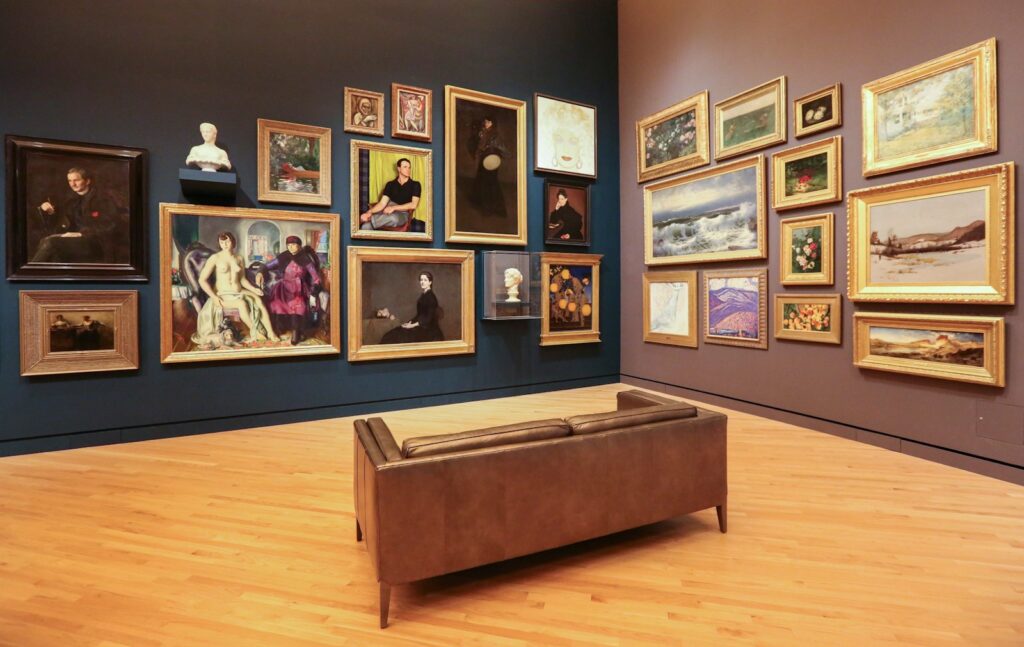
Art, in its boundless forms, is a testament to human creativity. Beneath the diverse styles and subjects lie fundamental art techniques that artists employ to bring their visions to life. These techniques, refined over centuries, provide the building blocks for countless masterpieces. Here, we explore five of the most popular and influential art techniques used by artists across various mediums. 1. Painting: The Dance of Pigment and Surface Painting, perhaps the most recognizable art form, involves applying pigments suspended in a binder to a surface. The sheer versatility of painting is staggering, encompassing a vast array of styles and approaches. 2. Drawing: The Foundation of Visual Expression Drawing, the act of marking a surface with a tool, is fundamental to all visual arts. It serves as a preparatory stage for painting, sculpture, and other disciplines, and also stands as a powerful art form in its own right. READ: A Stroke of Genius: Unveiling the Top Paintbrush Brands for Budding Artists 3. Sculpture: The Art of Three Dimensions Sculpture, the creation of three-dimensional forms, involves shaping materials through carving, modeling, casting, or assembling. 4. Printmaking: The Art of Multiples Printmaking involves creating multiple copies of an image by transferring ink from a matrix onto a surface. This technique allows for the dissemination of art and the exploration of unique visual effects. 5. Photography: Capturing Light and Time Photography, the art of capturing and recording light, has revolutionized visual culture. Its ability to document reality and create evocative images has made it an indispensable art form. Can You Tell The Difference Between Each Art Technique? These five art techniques, while distinct, often intersect and influence one another. Artists frequently combine techniques, pushing boundaries and creating innovative forms of expression. From the timeless elegance of oil painting to the immediacy of digital photography, these techniques provide the tools for artists to shape our visual world and communicate their unique perspectives. READ: A Journey Through the History of Metal Sculptures Whether you’re an aspiring artist, a seasoned creator, or simply an admirer of visual expression, understanding these fundamental techniques unlocks a deeper appreciation for the art that surrounds us. Each stroke, carve, and click represents a conscious choice, a deliberate manipulation of materials and light to convey a specific message or emotion. So, the next time you encounter a painting, sculpture, drawing, print, or photograph, take a moment to consider the techniques employed. Try to discern the artist’s hand, the choices made, and the story being told. By engaging with art on this level, you not only enrich your own understanding but also connect with the timeless human impulse to create and communicate through visual language.
The Intertwined World of Structured Architectural Art
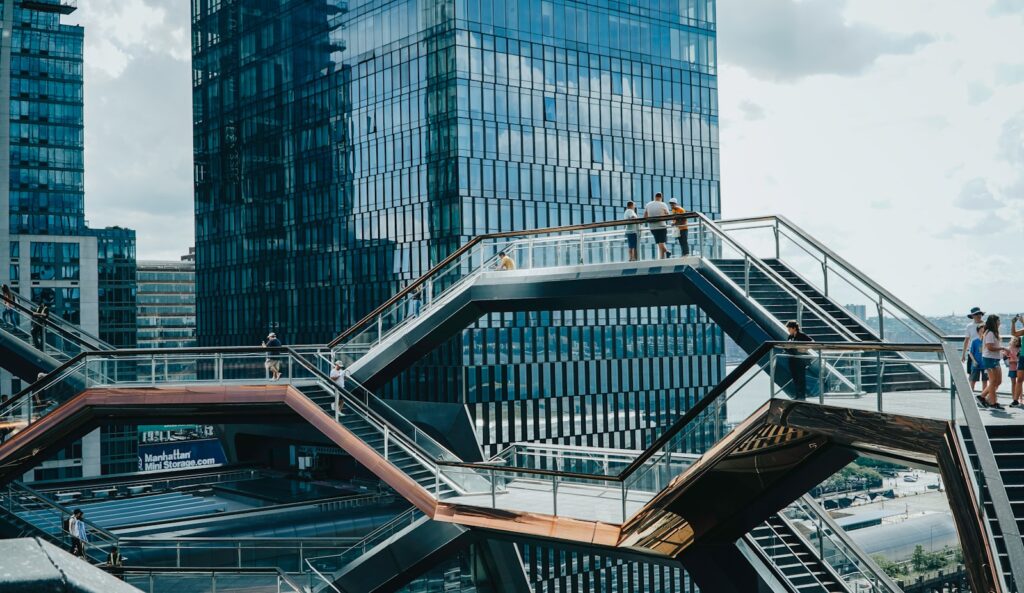
Architectural art is more than just designing buildings; it’s the harmonious fusion of function and aesthetics, where structures transcend their utilitarian purpose to become works of art in their own right. It’s the interplay between form, space, and materials, creating environments that not only shelter but also inspire and evoke emotion. From the monumental pyramids of ancient Egypt to the soaring skyscrapers of modern metropolises, architecture has always been a reflection of human ingenuity and cultural values. But when does architecture cross the line into art? It happens when a building transcends mere functionality and becomes a powerful expression of artistic vision. One crucial aspect of architectural art is the manipulation of space and light. Architects meticulously design spaces to create specific atmospheres, influencing how we perceive and interact with our surroundings. The play of light and shadow, the proportions of rooms, and the flow of spaces all contribute to the overall aesthetic experience. Think of the dramatic, light-filled interiors of Gothic cathedrals, where stained glass windows transform sunlight into a kaleidoscope of colors, creating a sense of awe and spiritual transcendence. Materials also play a pivotal role in architectural art. The choice of materials, their textures, and their integration into the design can significantly impact the building’s aesthetic. From the warm, natural tones of wood and stone to the sleek, modern feel of steel and glass, materials contribute to the building’s character and visual impact. The use of innovative materials and construction techniques can also push the boundaries of architectural expression, creating unique and groundbreaking designs. Moreover, architectural art often incorporates other art forms, such as sculpture, painting, and mosaics, to enhance its aesthetic appeal. Architectural details like intricately carved facades, decorative moldings, and custom-designed lighting fixtures add layers of visual interest and contribute to the building’s overall artistic statement. Consider the Art Nouveau movement, where buildings were adorned with organic, flowing lines and intricate floral motifs, blurring the lines between architecture and sculpture. READ: From Humble Stump to Sculptured Splendor: A Journey Through the History of Woodwork Furniture The relationship between architecture and its surrounding environment is also a critical consideration. Architects strive to create buildings that not only complement their surroundings but also enhance them. This can involve integrating natural elements into the design, such as incorporating courtyards, gardens, and green roofs. It can also involve creating buildings that respond to the local climate and topography, minimizing environmental impact and maximizing sustainability. Architectural art is not limited to grand public buildings; it can also be found in residential architecture. The design of a home can reflect the personal style and artistic vision of its inhabitants, creating a unique and expressive living space. From minimalist modern homes with clean lines and open floor plans to traditional homes with ornate details and cozy interiors, residential architecture offers a diverse range of artistic expressions. Ultimately, architectural art is about creating spaces that are not only functional but also beautiful and meaningful. It’s about designing buildings that inspire, evoke emotion, and leave a lasting impression. It’s the fusion of artistic vision and technical expertise, creating a built environment that enriches our lives and reflects the best of human creativity. It is a testament to the fact that buildings are not just structures, but canvases for human expression.
Andy Warhol: The Iconic “Campbell’s Soup Can” Artist Known For His Pop Art
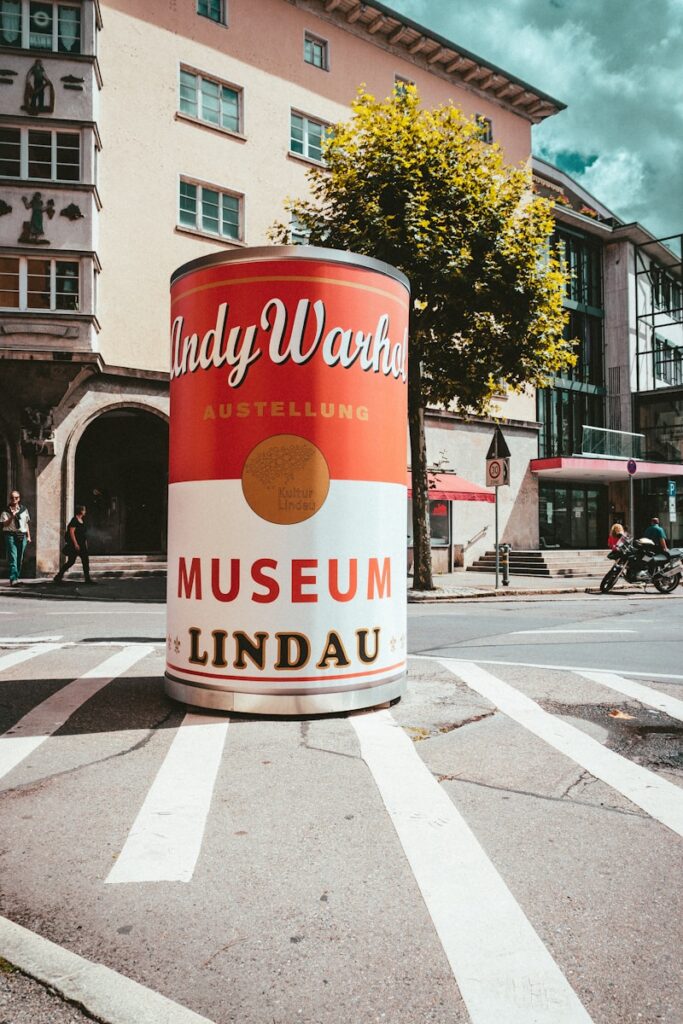
Andy Warhol, popularly known as the father of pop art, transformed the artistic landscape of the 20th century. More than just a painter, he was a cultural phenomenon, a provocateur, and a visionary who dared to blur the lines between high art and popular culture. His work, characterized by its bold colors, repetitive imagery, and embrace of mass-produced objects, continues to fascinate and challenge audiences today. Born Andrew Warhola in Pittsburgh, Pennsylvania, Warhol’s early career was in commercial illustration, a background that profoundly influenced his later artistic style. He recognized the power of mass-produced images and the seductive allure of advertising, elements he would later incorporate into his fine art. The 1960s saw the rise of Andy Warhol and his prominence within art culture. He shocked the art world by exhibiting paintings of Campbell’s soup cans, Brillo boxes, and Coca-Cola bottles, elevating everyday objects to the status of high art. These works challenged traditional notions of artistic subject matter, questioning the very definition of art itself. By replicating these images using silkscreen printing, a technique borrowed from commercial production, he further emphasized the mass-produced nature of his subject matter, diminishing the artist’s hand and highlighting the ubiquity of consumer goods. Warhol’s fascination with celebrity was another defining aspect of his work. He created iconic portraits of Marilyn Monroe, Elvis Presley, and Elizabeth Taylor, transforming these figures into mass-produced icons. The repetition of their images, often in vibrant, contrasting colors, stripped them of their individuality, highlighting their status as manufactured commodities. He explored the themes of fame, mortality, and the fleeting nature of celebrity, reflecting the anxieties and obsessions of a media-saturated society. Beyond painting, Andy Warhol expanded his artistic practice into film, music, and performance art. His experimental films, such as “Sleep” and “Empire,” challenged conventional notions of cinema, exploring themes of time, repetition, and voyeurism. He also managed the rock band The Velvet Underground, contributing to the development of alternative music scenes. His studio, The Factory, became a hub of artistic and social activity, attracting a diverse crowd of artists, musicians, writers, and socialites. It was a space where art, life, and celebrity intersected, further blurring the boundaries between high and low culture. Warhol’s influence extended beyond the art world, permeating popular culture at large. His famous quote, “In the future, everyone will be world-famous for 15 minutes,” accurately predicted the rise of celebrity culture and the democratization of fame in the age of mass media. He understood the power of image and the importance of self-promotion, cultivating his own persona as an enigmatic and detached observer of contemporary society. READ: Dancing Between Curves and Chrome: A Journey Through the Glamorous World of Art Deco Furniture Despite his seemingly detached and emotionless approach, Warhol’s work resonated with the anxieties and aspirations of his time. He captured the essence of consumerism, celebrity culture, and the pervasive influence of mass media, creating a visual language that continues to resonate with audiences today. While some critics dismissed his work as shallow and commercial, Andy Warhol’s impact on the art world is undeniable. He challenged established norms, expanded the boundaries of artistic expression, and paved the way for future generations of artists to explore the relationship between art, culture, and technology. His legacy as a pop art pioneer and a cultural icon remains firmly entrenched in the annals of art history.
Unwind, Craft, Connect: Finding Your Inner Artist at OCISLY Pottery & Ceramics Studio Miami
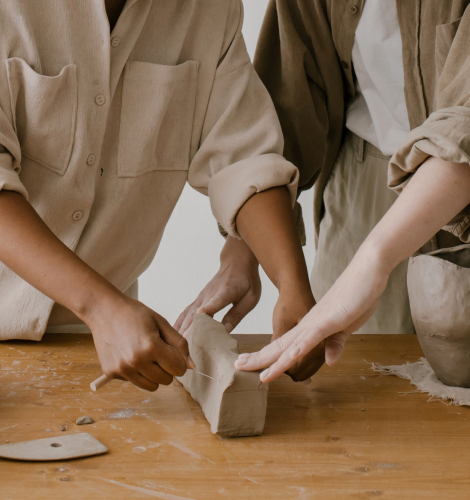
Nestled amidst the vibrant streets of Miami, Florida, lies an oasis of creativity waiting to be unearthed: OCISLY Pottery & Ceramics Studio. Whether you’re a seasoned artist seeking inspiration or a curious newcomer yearning to explore the tactile joy of molding clay, OCISLY welcomes you with open arms and a warm kiln. Beyond the Clay: A Space for Community and Creativity Stepping into OCISLY is akin to entering a creative sanctuary. Sunlight streams through expansive windows, illuminating a haven of artistic expression. Earthy scents of fired clay mingle with the uplifting tunes of curated playlists, creating an atmosphere that’s both calming and inspiring. But OCISLY is more than just a studio; it’s a thriving community of clay enthusiasts. Classes are intentionally kept small, fostering a sense of intimacy and collaboration. Seasoned instructors, passionate about their craft, patiently guide students through the fundamentals of hand-building and wheel throwing, offering personalized attention and encouragement every step of the way. No Experience Needed, Just Openness and Play The beauty of OCISLY lies in its inclusivity. Classes are designed for individuals of all skill levels, from complete beginners to seasoned ceramics practitioners. There’s no pressure to perform or achieve perfection; the focus is on playful exploration and connecting with the transformative power of clay. From molding whimsical mugs to shaping sleek vases, each project becomes a journey of self-discovery. As you dig your fingers into the cool clay, your worries melt away, replaced by a sense of focus and tranquility. The rhythmic whirring of the pottery wheel and the satisfying squish of clay under your touch awaken your senses, inviting you to embrace the present moment. A Masterpiece in Every Creation At OCISLY, the outcome is secondary to the experience. Every misshapen mug and wobbly bowl holds the imprint of your unique journey. Whether your creation emerges perfectly glazed or adorned with delightfully lopsided handles, it becomes a testament to your creative spirit and newfound skills. Beyond the Studio Walls: Sharing the Joy of Ceramics OCISLY’s commitment to creativity extends beyond the studio walls. Regular workshops featuring visiting artists and guest lecturers introduce students to diverse techniques and perspectives. Open studio sessions provide opportunities for independent practice and artistic exchange, while pop-up markets allow students to showcase their creations and connect with the broader Miami community. More Than Just Clay: Transforming Lives One Mold at a Time The transformative power of OCISLY reaches far beyond the realm of aesthetics. For many students, this haven of creativity has become a refuge from the everyday stresses of life. The act of molding clay becomes a form of therapy, fostering mindfulness, reducing anxiety, and boosting self-confidence. The joy of creating something tangible with your own hands, the camaraderie of like-minded individuals, and the quiet satisfaction of mastering a new skill – these are the intangible gifts that OCISLY offers. So, whether you’re seeking a creative outlet, a supportive community, or simply a unique way to unwind, OCISLY Pottery & Ceramics Studio Miami beckons you to explore the magic that lies within your fingertips. Come, roll up your sleeves, embrace the imperfections, and discover your inner artist at OCISLY. Let the clay guide you, let the music inspire you, and let the transformative power of creativity mold you into a masterpiece of your own making.
Dancing Between Curves and Chrome: A Journey Through the Glamorous World of Art Deco Furniture

Imagine a world where geometric shapes waltz with exotic materials, where sleek lines shimmer under bold colors, and where every piece of furniture whispers tales of luxury, modernity, and a dash of rebellion. This, my friends, is the world of Art Deco furniture, a captivating chapter in the history of design that embraced glamour, embraced functionality, and dared to dance to a beat all its own. Join us on a journey through this glittering realm, where polished ebony tangoes with gleaming chrome, and every curve screams a love letter to the roaring twenties. Our tale begins not in gleaming showrooms, but in the aftermath of the Great War. A weary world, eager to shake off the dust of conflict, craved a new aesthetic. Enter Art Deco, a vibrant dance of influences drawn from ancient Egypt, Cubist geometry, and a thirst for technological advancement. Furniture, once confined to traditional forms, burst forth in a vibrant explosion of geometric shapes, streamlined silhouettes, and daring materials. Sunlight, banished from Victorian shadows, danced across polished surfaces. Rich woods like ebony and macassar were adorned with exotic inlays of ivory, mother-of-pearl, and sharkskin, each piece whispering of far-flung adventures and a taste for the opulent. Chrome, that gleaming ambassador of the machine age, strutted onto the scene, accenting furniture with a dazzling touch of modernity. Form embraced function in a sleek tango. Cabinets morphed into streamlined boxes, their drawers sliding silently on hidden tracks. Chairs abandoned stuffy formality, their geometric structures daring you to sink into plush cushions and lose yourself in a lively conversation. Every detail, from the sunburst motifs adorning side tables to the skyscraper-inspired silhouettes of dressers, echoed the Art Deco spirit of speed, dynamism, and a touch of playful exuberance. Across the Atlantic, America embraced Art Deco with its own unique swagger. From the streamlined elegance of skyscrapers like the Chrysler Building to the luxurious interiors of Hollywood film sets, Art Deco became synonymous with glamour and sophistication. Streamlined cocktail bars, crafted from gleaming rosewood and topped with glistening glass, invited intimate gatherings and whispered tales of whispered secrets and clinking glasses. But Art Deco wasn’t all gilded surfaces and champagne flutes. Beneath the glitz, a whisper of social consciousness stirred. Designers like Emile-Jacques Ruhlmann challenged the opulence of the elite, crafting furniture that married functionality with sleek, minimalist lines. Their pieces whispered of a new era, where beauty did not require excess, and where form truly followed function. As the roaring twenties gave way to the anxieties of the thirties, Art Deco’s exuberance softened into a more streamlined elegance. Curves gentled, materials became more subdued, and a touch of Art Moderne’s simplicity began to peek through. But the legacy of Art Deco remained, whispering in the sleek lines of mid-century modern furniture and influencing modern designers who continue to be captivated by its timeless allure. So, the next time you encounter a piece of Art Deco furniture, don’t simply admire its polished surfaces. Let your imagination dance to the rhythm of its geometric shapes, feel the pulse of the roaring twenties within its polished ebony veins, and listen to the whispered stories of a time when furniture dared to be bold, glamorous, and unapologetically modern. Remember, Art Deco is not just a style; it’s a state of mind, a rebellion against convention, and a celebration of the beauty that can be found in unexpected places. And perhaps, in the gleam of chrome and the curve of a polished tabletop, you’ll find yourself inspired to add your own chapter to this dazzling story, crafting spaces that dance to the timeless beat of Art Deco.
Fire and Form: A History of Welding’s Artistic Embrace

Welding, in its essence, is a dance with fire. It’s the taming of molten metal, the coaxing of raw potential into forms that sing of both strength and delicate artistry. While often associated with industrial applications, welding has, for centuries, whispered its magic into the realm of art, creating captivating sculptures that redefine our understanding of metal’s possibilities. Our journey through the history of welding’s artistic embrace begins not with sparks and electrodes, but with the gentle heat of a blacksmith’s forge. Iron, once a stubborn adversary, learned to bend to the will of the hammer and forge, birthing weapons, tools, and, eventually, rudimentary sculptures. From the elegant Celtic torcs to the intricate Viking swords, metal, joined by hammering and heat, whispered tales of a nascent artistic dialogue. The Industrial Revolution ushered in a new era, not just for metalworking, but for art itself. Arc welding, invented in the 19th century, became the new language of fire, allowing artists to sculpt with molten metal with unprecedented precision and freedom. Pioneering artists like Alexander Calder embraced the technique, crafting his iconic mobiles from steel, their graceful dance a testament to the newfound possibilities. Calder’s “Lobster Trap and Fish Tail,” a whimsical ballet of welded steel, embodies this innovative spirit. The 20th century saw a veritable explosion of artistic welding. Pablo Picasso, the ever-restless innovator, incorporated welded scrap metal into his Cubist creations, challenging traditional notions of sculpture and beauty. His “Guitar,” a fragmented yet harmonious assemblage of welded sheet metal, exemplifies this bold reimagining of form. In the hands of David Smith, steel transformed into dynamic, abstract entities. His “Tanktotem,” a towering assemblage of welded metal fragments, pulsates with a vibrant energy, a monument to the transformative power of molten metal and artistic vision. The contemporary art scene continues to pulsate with the creativity of welders. Eva Zeisel, known for her whimsical furniture, brought warmth and personality to cold steel, while Louise Bourgeois’s expressive spider sculptures, woven from steel and mesh, delve into the depths of human emotions. Today, welding, with its ever-evolving techniques and technologies, like laser cutting and plasma welding, is a potent tool in the hands of artists pushing the boundaries of metal sculpture. Whether it’s the monumental steel landscapes of Maya Lin or the intricate welded tapestries of Jessica Clark, every spark, every bead of molten metal, tells a story of fire, form, and the boundless human imagination. The history of welding, in its artistic expression, is not just a chronicle of technological advancements, but a testament to the enduring human fascination with transformation. It’s a story whispered in sparks and sung in the symphony of clanging metal, where fire becomes an artist’s brush, and molten metal, the clay of dreams. So, the next time you encounter a welded sculpture, let its intricate seams and fiery spirit transport you on this journey, and experience the transformative power of fire and form.
A Stroke of Genius: Unveiling the Top Paintbrush Brands for Budding Artists
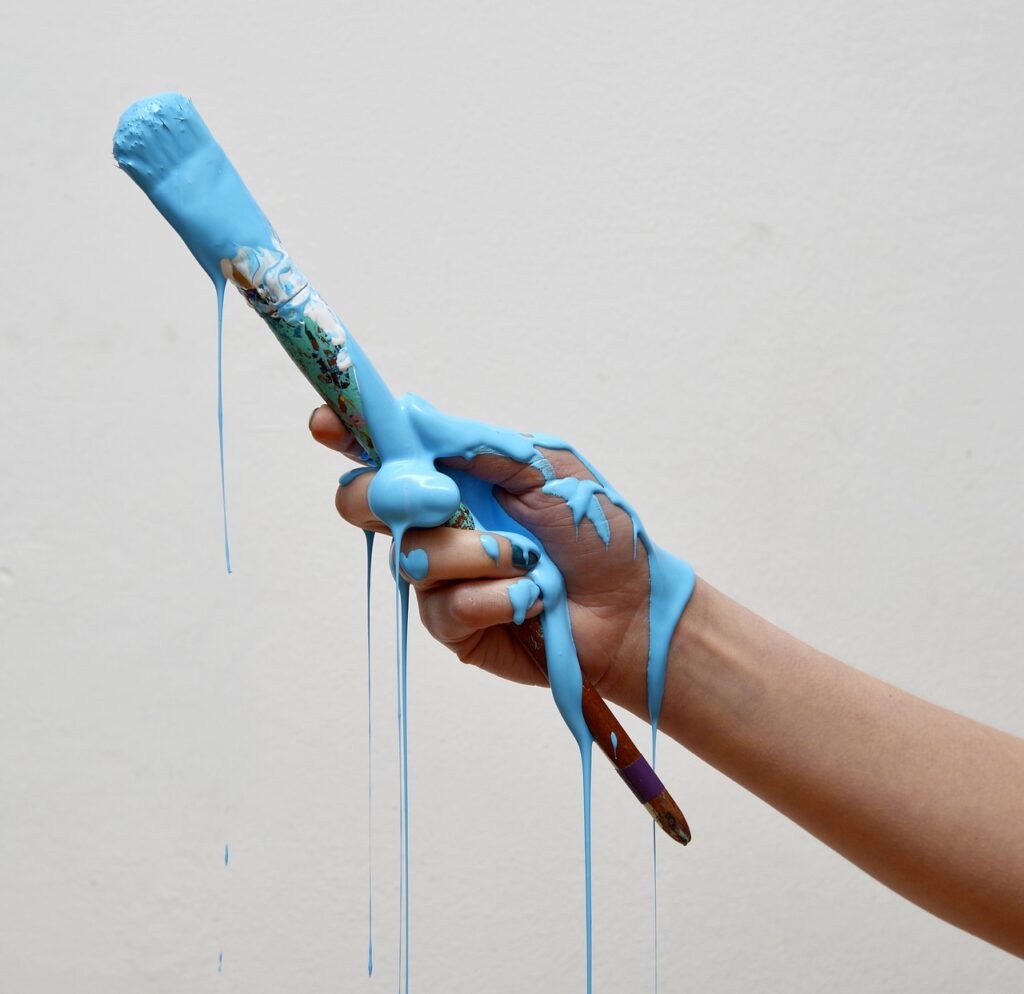
Ah, the paintbrush – that unassuming vessel of vibrant dreams, a silent conductor of emotions poured onto canvas. Choosing the right one, however, can feel like navigating a labyrinth of synthetic fibers and wooden handles. Fear not, fellow art explorers! This guide delves into the world of paint brush brands, unearthing treasures for every stroke and style. For the Traditional Soul: For the Bold Experimenters: For the Budget-Conscious Artist: Remember, the perfect brush is an extension of your artistic self. Experiment, explore, and let your personal style guide your choices. As Leonardo da Vinci wisely said, “Painting is poetry that is made visible.” So, pick up your brush, unleash your inner maestro, and paint your unique masterpiece onto the world. Bonus Tip: Always take care of your brushes! Clean them thoroughly after each use, reshape the bristles gently, and store them properly. A well-loved brush is a loyal companion, whispering tales of past creations and eager for future adventures. Happy painting!
Where Sunlight Sings, A Dazzling History of Stained Glass Art
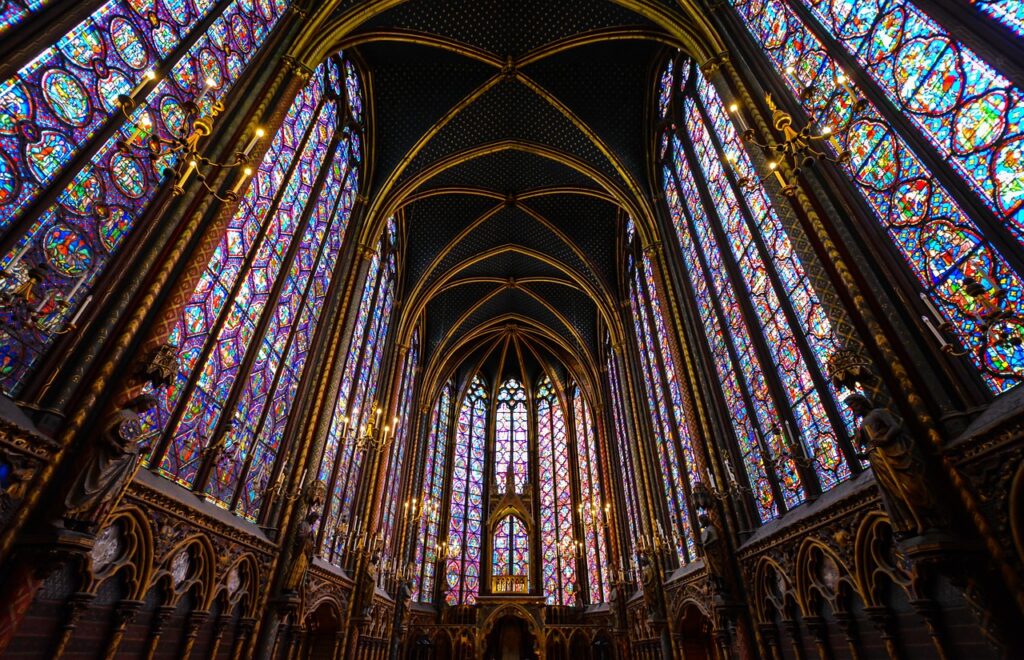
Imagine stepping into a cathedral bathed in a symphony of color. Sunlight, filtered through kaleidoscopic windows, paints the floor in ruby red, sapphire blue, and emerald green. Each shard of glass, a luminous jewel, whispers tales of saints and sinners, of faith and hope, forming a breathtaking narrative woven from light. This, my friends, is the captivating world of stained glass art, a legacy spanning centuries, where artistry dances with faith and sunlight becomes a divine storyteller. Our journey begins not in gleaming cathedrals, but in the fiery embrace of ancient furnaces. Beads of molten glass, coaxed from sand and fire, adorned the bodies of early humans, whispering whispers of adornment and ritual. In Mesopotamia and Egypt, glass vessels, imbued with religious significance, held precious liquids and whispered stories of the divine. These early expressions, though simple, laid the foundation for the dazzling artistry that would blossom in the centuries to come. Ancient glass beads and vessels Fast forward to the fertile crescent of Mesopotamia and the banks of the Nile, where civilization took root and glassblowing flourished. Egyptians, masters of joinery and carving, crafted intricate stained glass windows depicting scenes from mythology and religious rituals. Their windows, bathed in the relentless African sun, whispered tales of pharaohs and gods, their vibrant colors echoing the majesty of the Nile. Across the Mediterranean, the Romans embraced stained glass for both decorative and practical purposes. From the intricate geometric patterns of Pompeii to the bathhouses adorned with colored glass, the Romans used stained glass to create a vibrant architectural language, whispering tales of luxury and a society in thrall to beauty. Egyptian and Roman stained glass The Middle Ages witnessed a shift towards grand, narrative stained glass windows. Gothic cathedrals, soaring skywards, became canvases for biblical stories and religious scenes. Each window, a luminous tapestry woven from colored glass, whispered tales of salvation and divine intervention, immersing medieval worshippers in a kaleidoscope of faith and artistry. Chartres Cathedral, with its breathtaking windows depicting the life of Christ, remains a testament to the power and beauty of medieval stained glass. Sun-Kissed Jewels to Luminous Narratives Gothic cathedral stained glass The Renaissance, with its rediscovery of classical ideals, brought a new elegance to stained glass. Italian masters like Lorenzo Ghiberti and Donatello crafted windows that were not just religious narratives, but also works of art. Delicate brushstrokes on the glass, intricate leadwork patterns, and a focus on human anatomy transformed stained glass into a window into the Renaissance spirit. Renaissance stained glass The centuries that followed saw stained glass evolve with changing artistic trends. From the jewel-toned windows of the Art Deco era to the abstract expressions of contemporary artists, stained glass continues to whisper tales of its time, reflecting the evolution of human imagination and artistic expression. Art Deco and contemporary stained glass But stained glass is more than just a form of art; it is a conversation between light and space, a tangible connection between the divine and the human. Each sunbeam refracted through a colored shard whispers of beauty, of stories passed down through generations, and of the enduring power of human creativity. So, the next time you find yourself beneath a stained glass window, don’t simply admire its colors. Let the sunlight sing its tales, listen to the whispers of faith and artistry, and allow yourself to be captivated by the magic of this enduring art form. Remember, stained glass is not just about history or religion; it is a testament to the human spirit’s capacity for beauty, a conversation between light and story, and a reminder that even the most ordinary light can be transformed into a dazzling testament to human imagination.
How Hammermill Paper Whispers Sustainability to Sketch Artists
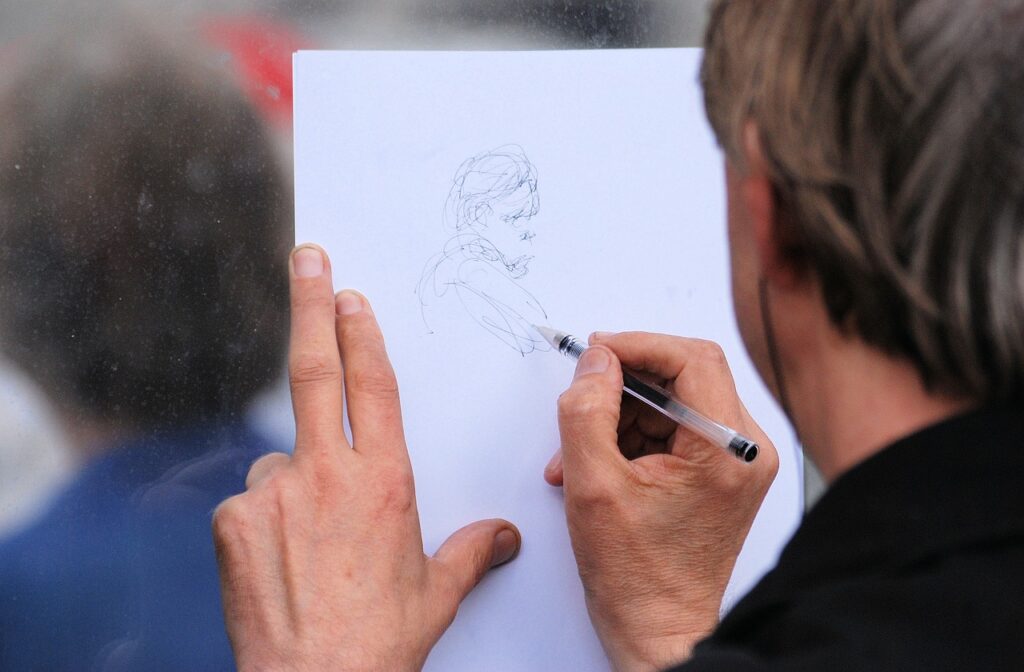
In the world of sketch artists, where charcoal whispers on paper and every stroke tells a story, the canvas beneath the charcoal is more than just a blank page. It’s a partner, a confidante, a silent stage where imagination dances into form. And for many artists, that partner of choice is Hammermill Paper, a brand synonymous with quality and now, increasingly, with a commitment to sustainability that resonates with the eco-conscious artist’s soul. Our story begins not in sleek offices or sterile factories, but in the very heart of the forest. Hammermill, with roots firmly planted in responsible forestry practices, ensures that each sheet of paper whispers of a verdant past and a sustainable future. Their commitment to using recycled fibers and certified wood sources minimizes their environmental footprint, a fact that warms the hearts of artists who see their own passion for beauty reflected in the paper’s responsible origin. But sustainability is just the first act in Hammermill’s captivating story. For sketch artists, the magic truly unfolds when charcoal meets paper. Hammermill’s smooth, toothy texture provides the perfect stage for charcoal strokes to sing. Each line glides effortlessly, leaving behind a rich, velvety black that dances with light and shadow. The subtle variations in texture, like whispers in the grain, add depth and character to every drawing, transforming a simple sketch into a captivating work of art. Unlike the sterile white of some papers, Hammermill’s subtle cream hue whispers warmth and depth. It’s a canvas that welcomes experimentation, a gentle backdrop that lets the artist’s vision take center stage. The subtle tone allows for softer blending and creates a richness of shadow that traditional white papers often struggle to capture. For artists who seek to evoke mood and atmosphere, Hammermill’s paper becomes a co-conspirator, whispering secrets of light and shadow. But Hammermill’s commitment to the artist doesn’t end with texture and tone. Their papers are acid-free and lignin-free, ensuring that artwork stands the test of time. No yellowing, no fading, just the enduring beauty of charcoal captured in its purest form. This dedication to archival quality whispers a promise to artists – their creations will not be ephemeral sketches lost to time, but lasting testaments to their talent and vision. So, the next time you reach for a sheet of Hammermill Paper, remember that it’s more than just a canvas. It’s a collaboration between artist, papermaker, and the whispering forest itself. It’s a commitment to sustainability, a dedication to quality, and a canvas that invites your imagination to dance in charcoal and light. Pick up a pencil, let the whispers guide your hand, and create your own masterpiece on a stage that not only showcases your talent, but also whispers a promise of a greener, more beautiful tomorrow. Remember, Hammermill Paper is not just for sketches; it’s for stories whispered in charcoal, for dreams etched in black and white, and for a future where art and sustainability dance hand in hand.
Unveiling the Best Drawing Pencils, According to Artists
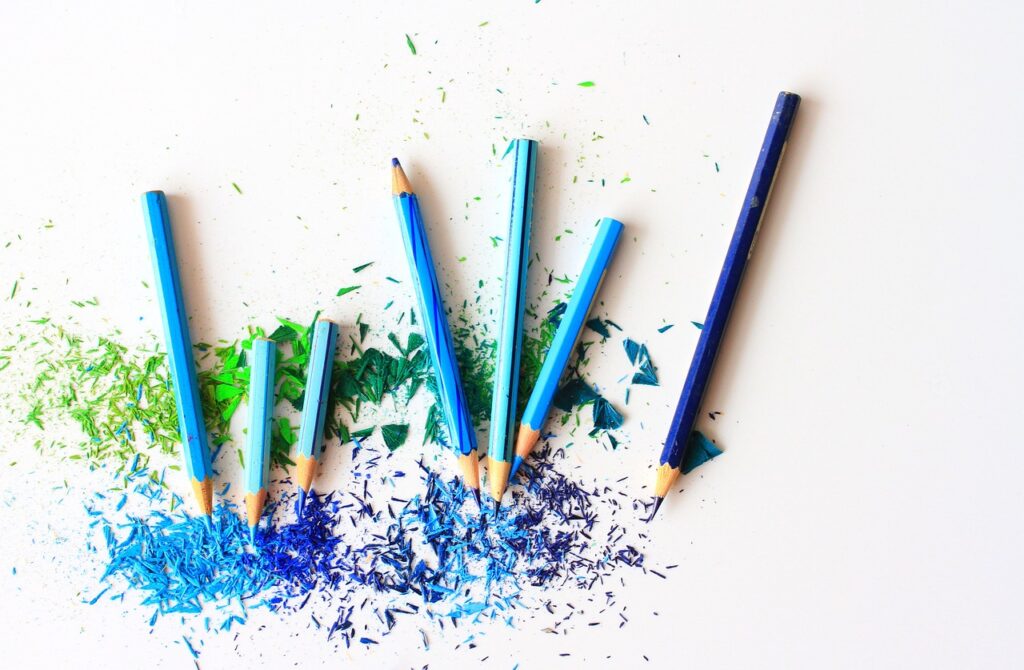
For artists, the humble drawing pencil is more than just a writing utensil. It’s a wand of creativity, a whisper of graphite dancing on paper, a silent language that speaks of light and shadow, texture and form. But with an overwhelming array of brands, grades, and styles, choosing the right pencil can feel like navigating a labyrinth. Fear not, fellow art explorers! This guide, crafted from the wisdom of seasoned artists, will illuminate your path, leading you to the perfect pencil for your artistic endeavors. The Graphite Gospel: A Tale of Hardness and Softness Our journey begins with the heart of the pencil – the graphite core. Its hardness, measured on a scale ranging from 9H (rock-hard) to 9B (inky soft), dictates the type of mark it leaves. Harder pencils, like the Faber-Castell 9000, whisper delicate lines and precise details, ideal for architectural sketches and botanical illustrations. Softer pencils, like the Staedtler Mars Lumograph, lay down rich, velvety strokes, perfect for dramatic chiaroscuro and expressive figure drawing. FaberCastell 9000 and Staedtler Mars Lumograph pencils But the story doesn’t end there. Mid-range pencils, like the Derwent Graphic, offer a delightful blend of control and expressiveness, making them versatile companions for a variety of artistic styles. Remember, the ideal hardness is a personal preference, a dance between your artistic vision and the whisper of the graphite on the paper. Experiment, explore, and let your intuition guide you. Beyond Black and White: A Rainbow of Artistic Possibilities While the classic graphite pencil reigns supreme, the world of drawing offers a vibrant palette beyond shades of gray. Colored pencils, like the Prismacolor Premier, burst onto the scene with a spectrum of possibilities. Blend them seamlessly for photorealistic landscapes or layer them boldly for abstract expression. Remember, colored pencils are not just for children’s coloring books; they are powerful tools for artists who dare to dream in color. Prismacolor Premier colored pencils Charcoal pencils, like the General’s Charcoal Drawing Assortment, offer a raw, elemental energy. Their rich, textured strokes whisper of ancient cave paintings and smoldering campfires, adding drama and depth to portraits and figure drawings. Embrace the charcoal’s inherent messiness, let its unpredictable smudging become part of your artistic conversation. Mechanical Marvels: Precision Meets Convenience For those who crave control and consistency, mechanical pencils like the Alvin Draft-Matic or Pentel Graph Gear 1000 offer a modern solution. Their fine, retractable leads ensure precise lines and eliminate the need for sharpening, making them perfect for technical drawings and architectural sketches. Don’t be fooled by their sleek exterior; mechanical pencils can still whisper tales of artistic expression, adding a touch of precision to your creative arsenal. The Final Stroke: A Whisper of Inspiration Choosing the right drawing pencil is a deeply personal journey, an intimate conversation between artist and tool. Experiment with different brands, hardnesses, and styles. Listen to the whispers of the graphite on the paper, let your intuition guide you. Remember, the perfect pencil is not just about technical specifications; it’s about finding the tool that resonates with your artistic soul, the one that allows your imagination to dance freely on the canvas. So, fellow artists, embark on your own quest for the perfect drawing pencil. Explore the aisles of art stores, delve into online reviews, and most importantly, trust your instincts. Let the graphite whisper its secrets, let the different strokes guide your hand, and remember, the best drawing pencil is the one that helps you create art that speaks to your soul. Now, pick up your pencil, let your imagination take flight, and whisper your own artistic stories onto the world, one stroke at a time.
Melting Clockworks, Dreamy Deserts: A Surreal Sojourn Through Dali’s American Odyssey
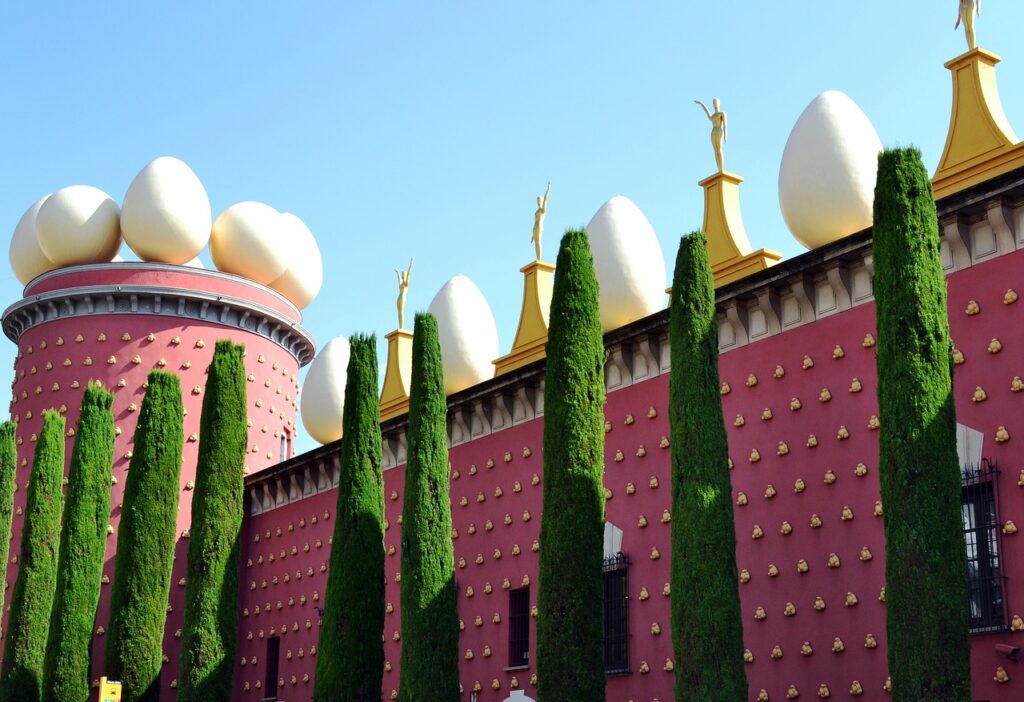
Imagine stepping into a world where melting clocks drape over barren landscapes, lobster phones ring the air, and dreamscapes shimmer on every horizon. This, dear reader, is the world of Salvador Dalí, and in the early 1980s, it materialized across the United States in a series of exhibitions that continue to ignite controversy and captivate audiences. Join us on a surreal sojourn through these dreamlike displays, where melting clocks whisper tales of warped realities and melting landscapes sing of a boundless imagination. Our story begins not in grand galleries, but in the heart of the American desert. Phoenix, Arizona, hosted “Dalí: Master of Dreams,” a mesmerizing showcase of over 200 works spanning the artist’s career. Stepping into the exhibition was akin to plunging into a subconscious whirlpool. Lobster telephones lurked in shadowy corners, melting clocks oozed over barren landscapes, and the hypnotic gaze of Gala, Dalí’s muse, seemed to beckon from every canvas. Each brushstroke whispered of a mind unfettered by convention, a playground where logic dissolved and dreams reigned supreme. But “Master of Dreams” was not just a visual feast. It was a dialogue, a provocative confrontation between Dalí’s surreal vision and the American psyche. His distorted figures and dreamlike landscapes challenged viewers’ perceptions of reality, his flamboyant personality and outlandish pronouncements sparked both admiration and derision. Yet, beneath the shock and awe, a deeper fascination emerged. Dalí’s art, born from his own anxieties and obsessions, became a mirror reflecting the American subconscious, its own anxieties about nuclear war, environmental destruction, and the ever-looming threat of the absurd. Across the country, other exhibitions echoed this theme. The Los Angeles County Museum of Art delved into Dalí’s fascination with dreams and psychoanalysis, showcasing his collaborations with Federico García Lorca and Luis Buñuel, where art and dreams blurred into a mesmerizing spectacle. In Philadelphia, the Pennsylvania Academy of the Fine Arts explored Dalí’s relationship with religion, his melting clocks and distorted crucifixes whispering of a warped faith and a troubled relationship with the divine. But the Dali exhibitions weren’t confined to traditional museums. The Salvador Dalí Museum in St. Petersburg, Florida, a surreal dream in its own right, provided a permanent home for the artist’s works, allowing visitors to immerse themselves in his warped universe year-round. And across the country, lectures, film screenings, and even performances inspired by Dalí’s work further fueled the public’s fascination, proving that his art had permeated American culture far beyond the gallery walls. The impact of these exhibitions extended far beyond the realm of art appreciation. Dalí’s surreal lens became a touchstone for contemporary artists, his exploration of dreams and subconscious landscapes influencing figures like David Lynch and Jeff Koons. His defiance of artistic conventions and embrace of the absurd resonated with a generation weary of conformity and eager to explore the fringes of human experience. So, the next time you encounter a melting clock or a lobster phone, remember the whispers of the American Dali exhibitions. Remember the landscapes stretching into infinity, the distorted figures defying gravity, and the artist’s booming voice, proclaiming, “I paint what I see without looking.” Let his dreamlike canvases ignite your own imagination, let his warped realities challenge your perceptions, and let the whispers of his subconscious guide you on a journey where logic surrenders to the boundless potential of human creativity. For in the end, that is the true legacy of these American exhibitions: they weren’t just about showcasing art; they were about reminding us that art is a portal, a window into the subconscious that allows us to glimpse the bizarre beauty and hidden anxieties that lie within us all. And in that glimpse, Dalí’s melting clocks whisper an invitation: step into the dream, defy the rules, and paint your own surreal masterpiece.
Art Basel Miami Beach 2023 Was A Kaleidoscope of Creativity
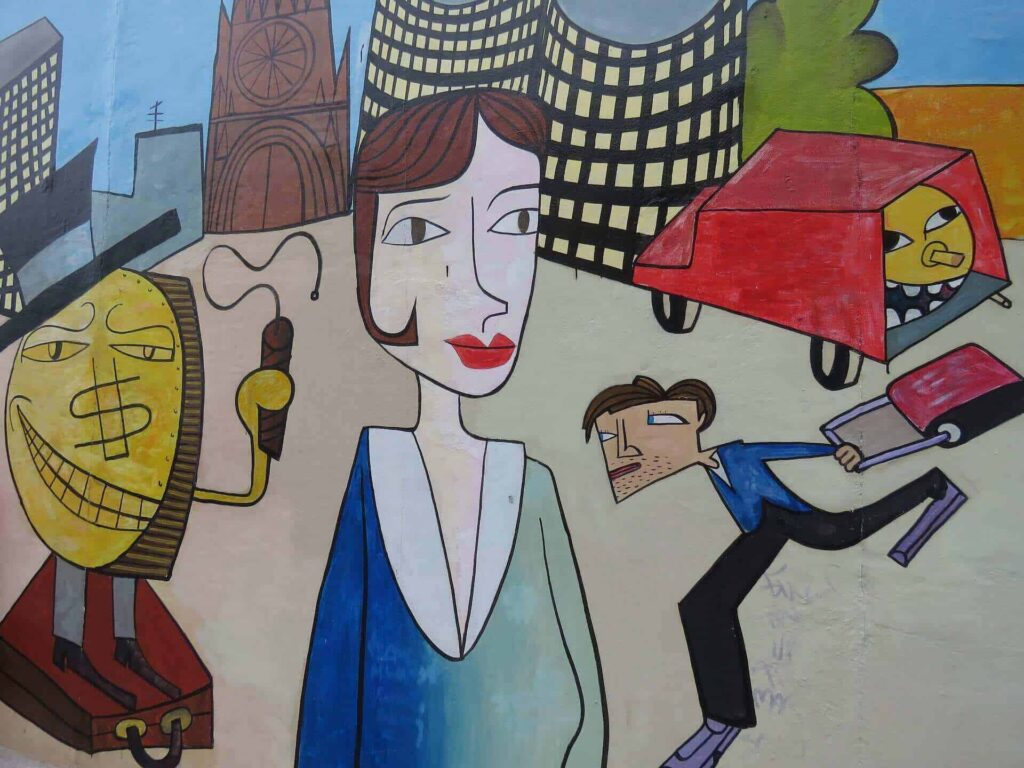
Miami Beach transformed into a dazzling, kaleidoscope of creativity during Art Basel Miami Beach 2023. From December 5th to 10th, the city pulsed with an electric energy as art aficionados, collectors, and industry insiders converged to experience a mind-bending array of contemporary art. The iconic Miami Beach Convention Center served as the epicenter of this artistic extravaganza. Over 280 leading galleries from around the world showcased a breathtaking spectrum of works, from established masters to emerging talents. The juxtaposition of classic and avant-garde, the familiar and the experimental, created a dynamic tension that captivated visitors. Beyond the convention center, the vibrant energy of Art Basel spilled into the surrounding neighborhoods. Wynwood, with its graffiti-adorned walls and trendy boutiques, hosted satellite fairs like Scope and Red Dot, offering a more accessible platform for contemporary art. The Design District, a haven for luxury and design, also played host to a variety of art-related events. Art Basel Miami Beach 2023 was more than just a showcase; it was a cultural phenomenon. The event’s theme, “Aftershock,” resonated deeply, as artists grappled with the profound changes shaping our world. From climate change to social inequality, the works on display offered thought-provoking commentary and inspired dialogue. But amidst the serious conversations and intellectual stimulation, Art Basel was also a celebration of life and beauty. Glamorous parties, exclusive events, and impromptu gatherings provided opportunities for networking, socializing, and simply enjoying the intoxicating atmosphere. Whether you were drawn to the bold strokes of abstract expressionism, the intricate details of conceptual art, or the immersive experiences of installation pieces, Art Basel 2023 had something to offer everyone. It was a place where boundaries were pushed, imaginations were ignited, and the power of art to transform lives was on full display. As the sun dipped below the horizon, casting a golden glow over the city, Art Basel 2023 came to a close, leaving an indelible mark on the hearts and minds of all who attended. It was a reminder that art is not merely a commodity, but a vital force that shapes our world and enriches our lives.
How To Make Your Own Clay for Sculpting at Home
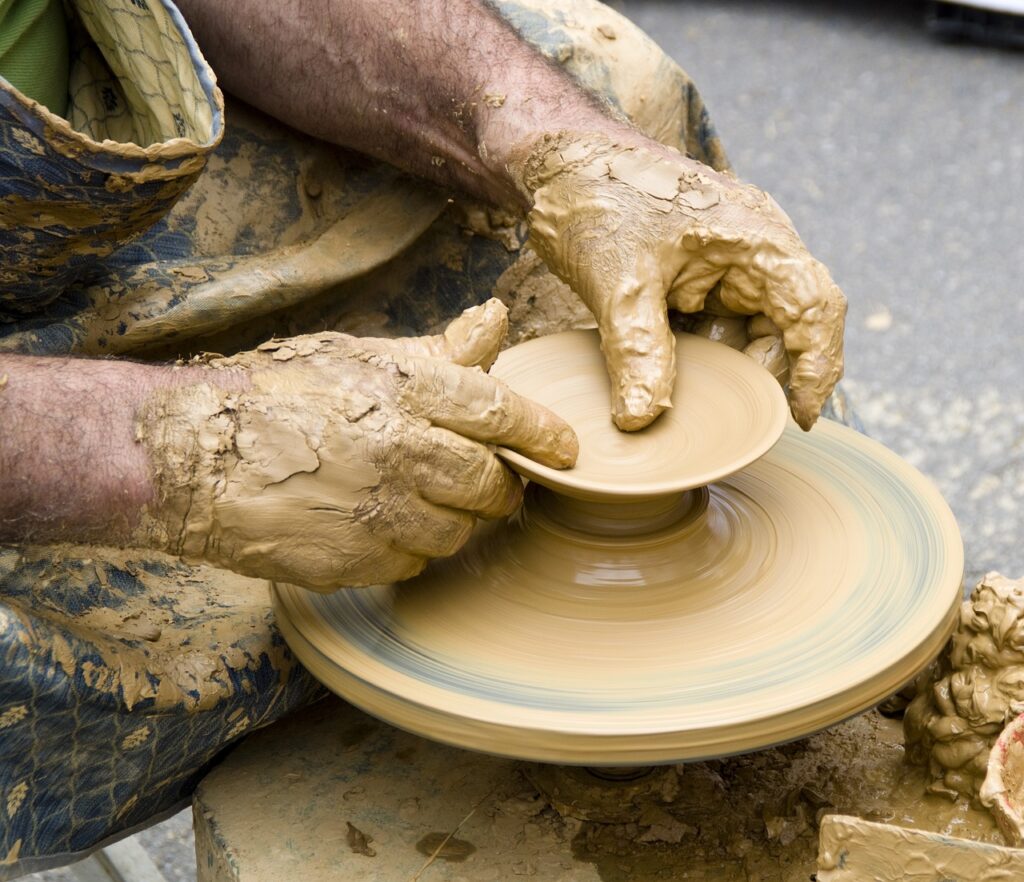
Sculpting at home is a fun and rewarding activity that can help you relax, express your creativity, and even make unique gifts. But what if you don’t have access to a pottery studio or don’t want to spend money on store-bought clay? Then making your own clay at home is the perfect solution! There are many different recipes for homemade clay, but in this article, we will share two of the easiest and most popular methods. The first method uses common kitchen ingredients, while the second method uses natural clay that you can find outdoors. Method 1: Kitchen Clay This method is great for beginners because it requires only a few ingredients that you probably already have in your pantry. Ingredients: Instructions: Method 2: Natural Clay If you’re feeling adventurous, you can try making clay from natural soil. This method is a bit more challenging than the kitchen clay method, but it can be rewarding if you find the right type of clay. What you’ll need: Instructions: Tips for success: With a little practice, you’ll be able to make your own clay at home and create beautiful sculptures that you’ll be proud of. I hope this article has inspired you to try your hand at making your own clay. With a little creativity and effort, you can create one-of-a-kind pieces that will be cherished for years to come. Happy sculpting! Please note that these are just two basic recipes for homemade clay. There are many other variations that you can experiment with. With a little creativity, you can find the perfect clay recipe for your needs. I would also like to add that it is important to be aware of the safety risks associated with using natural clay. Some clays can contain harmful bacteria or chemicals. If you are concerned about the safety of the clay you find, it is best to buy clay from a reputable source. Finally, I hope you enjoy sculpting! It is a truly rewarding activity that can be enjoyed by people of all ages.
