
How Keep FL Clean Encourages Zero Waste Fashion
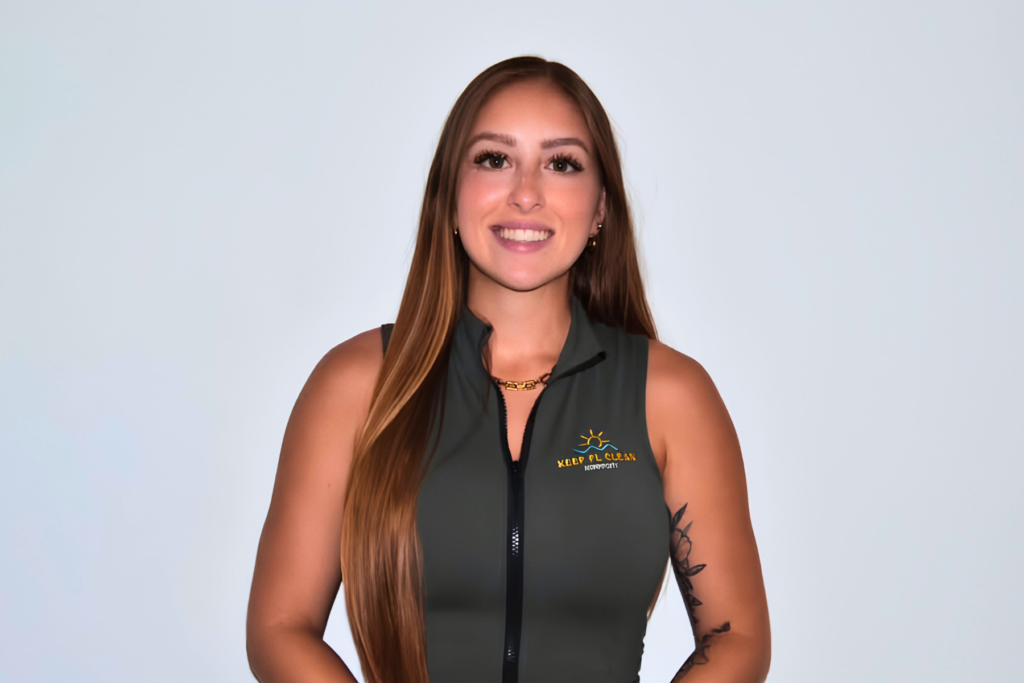
The Lowdown on Clothing Swaps with Keep FL Clean Founder Nicole Arguello Miami is home to a thriving cultural landscape, but a particularly inspiring movement is taking root as local innovators champion sustainability in fresh, imaginative ways. After attending my first community clothing swap last month, I became intrigued by how the concept has been adapted throughout the city. That curiosity led me to the monthly clothing swaps hosted at Tea & Poets in South Miami – and, more importantly, to Nicole Arguello, the founder of Keep FL Clean, a local nonprofit established in 2019 dedicated to environmental advocacy and community action. As the host behind these vibrant gatherings, Nicole has spent years cultivating a space where environmental consciousness meets effortless style. What started as an effort to combat textile waste has blossomed into a thriving community movement, proving that sustainable fashion in Miami is not just a passing trend – it is a lifestyle shift. I chatted with Nicole to discuss the origins of Keep FL Clean, the staggering reality of fashion waste, and how swapping our wardrobes is helping to reshape South Florida’s eco-conscious future. Here’s what unfolded. 1) What inspired you to start Keep FL Clean? Keep FL Clean is an initiative I founded with the goal of bringing people together to take meaningful action for our environment, inspired by our motto “Be the change you want to see in the world.” Through our beach and park cleanups, sustainable education pop-ups, clothing swaps, recycling initiatives, and community events, we create opportunities for people of all ages to get involved and make a difference right here in our own communities. 2) I’m so curious, how did the concept of starting a clothing swap come about? When we started hosting Keep FL Clean’s Monthly Community Clothing Swaps in 2022, we wanted to create a fun, accessible, and truly sustainable way for people to revamp their closets while giving their unwanted clothing a second life. What started as a simple idea has grown into so much more than a clothing swap – it’s become a space for community, connection, and creativity. 3) For those interested in attending a clothing swap hosted by Keep Fl Clean, what should attendees keep in mind and look forward to? When you’re ready to clean out your closet or switch up your style, bring the clothing, shoes, and accessories you no longer want to our swap, where you can find your pieces a new home and discover your new favorites – all for free. We even offer free alterations and repairs by local designer Hani Apparel, so you can customize or repair pieces you find at the swap and make them truly your own! To me, that’s what makes the swap so special. Instead of buying something new every time you want to change up your style, you can shop within your own community, keep perfectly good items circulating, and give them a new life. 4) How does Keep FL Clean’s zero waste clothing swaps benefit the environment and community? There is an enormous amount of clothing being donated around the world, but not every donated item ultimately finds a new home. Some pieces can sit in warehouses or go unsold, and the reality is that there simply aren’t enough traditional outlets to absorb the amount of clothing we’re constantly producing and donating. Our goal is to create a more direct, circular solution: when you bring something to our swap, there’s an opportunity for it to find a new owner immediately. And we don’t stop there! Any clothing left over after our swaps is donated to local nonprofits that help distribute these items to communities and countries affected by poverty and natural disasters. So even if a piece doesn’t find its new owner at the event, we work to make sure it continues its journey rather than ending up in the landfill. 5) What is most meaningful to you when you see members from the community participating in the monthly clothing swaps? What means the most to me is seeing people realize that sustainability doesn’t have to be complicated or expensive. It can be as simple as swapping a shirt with your neighbor, picking up trash at your local beach, or choosing to reuse something instead of buying new. When we come together as a community, those small actions add up to something much bigger – and that’s the kind of impact I hope Keep FL Clean continues to inspire. Exploring Clothing Swaps and Zero Waste Fashion It’s easy to feel overwhelmed by the scale of the global textile crisis or to view sustainability as an abstract goal reserved for grand lifestyle overhauls. But what Keep FL Clean proves so brilliantly with their monthly clothing swaps is that real change starts right in our own closets – and it can actually be fun. By trading the impulse to buy new for the joy of sharing what we already have, we aren’t just keeping clothes out of landfills; we’re actively choosing connection over consumption. Not only that, partaking in zero waste fashion benefits the community, and planet earth.
Payroll Software for Art Galleries and Museums: What Should You Look For?
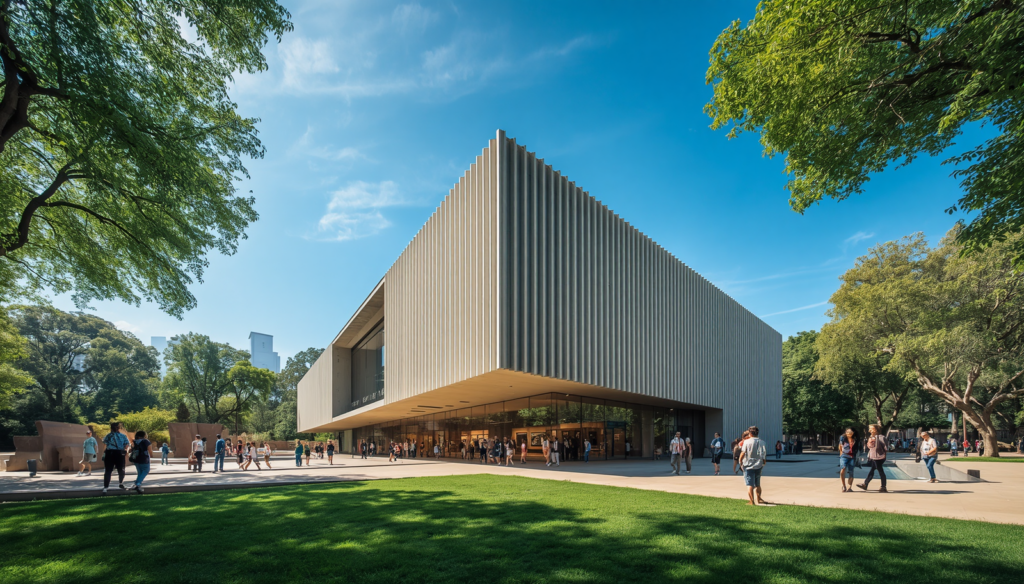
Galleries and museums might not look like particularly complicated workplaces from the outside. Behind the exhibitions, however, there can be a surprisingly varied workforce. A single venue might employ permanent administrators, part-time visitor services staff, casual gallery attendants, technicians, cleaners and event staff. Opening hours can change around exhibitions, launches and public programs. Employees may work evenings, weekends or at more than one location. That makes payroll about more than entering someone’s hours at the end of the week. For Australian museums and galleries, there is another consideration. Fair Work includes museums and galleries within the Amusement, Events and Recreation Award, although the award that applies to an individual employee still depends on the circumstances of their employment. The award includes provisions covering matters such as penalty rates and overtime. So what should a gallery or museum actually look for when choosing payroll and workforce software? 1. Rostering that can handle changing opening hours A gallery rarely operates on exactly the same staffing pattern every week. A new exhibition may require additional front-of-house coverage. An opening night could run well into the evening. School visits, workshops and weekend events can create short periods where additional staff are needed. Good rostering software should make it easy to change shifts, see employee availability and understand labour costs before the roster is published. This becomes more important when casual employees regularly cover gaps or staff move between different roles and locations. 2. Time and attendance for casual and event staff The roster records what was meant to happen. Payroll needs to know what actually happened. An employee rostered until 5:00 pm might stay until 6:30 pm because an exhibition launch runs late. Someone may start early to prepare a gallery space, take a different break or cover another employee’s shift. Those differences need to be captured accurately. Digital time and attendance can reduce the reliance on handwritten timesheets, spreadsheets and employees reconstructing their hours later. It also gives managers a clearer record to review before those hours reach payroll. This matters because payroll accuracy often breaks before payroll even begins. If the hours going into payroll are wrong, even good payroll software can produce the wrong result. 3. Payroll that handles different employee arrangements Museums and galleries can have a mix of salaried, part-time and casual employees working across very different schedules. That means the payroll system needs to handle more than a standard Monday-to-Friday workforce. For Australian organisations, it is worth checking how the software manages the pay conditions that apply to your employees, including classifications, overtime, weekend work, public holidays, allowances and other relevant rules. The important question is not simply whether the software “does payroll”. It is how much manual work is required to get from an employee’s actual hours to the correct pay outcome. 4. Keeping rostering, attendance and payroll connected This is easy to overlook when comparing software. A gallery might have a perfectly capable rostering system, a separate app for recording attendance and another platform for payroll. Each tool may work well individually. The problem appears between them. Someone still needs to export a timesheet, import it elsewhere, correct an employee record or reconcile a shift that changed after the roster was published. Research into the operational risks of separate rostering, timesheet and payroll tools makes the same point: every additional handover creates another place where information can be delayed, duplicated or changed. For galleries with changing rosters or multiple venues, reducing those handovers can be more useful than adding another standalone feature. 5. Employee records and HR Payroll is only one part of managing employees. Museums and galleries may also need somewhere to keep contracts, leave records, employment details, onboarding documents, qualifications and other workforce information. Smaller organisations can often manage these records manually. As the team grows, particularly across several venues, having employee records connected to the same workforce system can make administration considerably easier. What are some payroll software options for galleries and museums? There is no single platform that will suit every organisation. ClockOn is worth considering for galleries and museums with casual, part-time or shift-based staff. Its Australian payroll software connects with rostering, time and attendance and HR tools, which makes it particularly relevant where actual hours, roles and changing shifts need to move through to payroll without being repeatedly entered into separate systems. A broader independent overview of ClockOn also looks at its approach to combining these workforce functions. Tanda is another Australian option aimed heavily at hourly and shift-based workforces, with rostering, time tracking, payroll and HR available within its platform. Deputy is well known for rostering and time tracking and now also offers payroll and HR functionality in Australia, making it another platform worth comparing for organisations with variable schedules. Employment Hero offers payroll alongside HR, rostering and broader employee-management tools, and may suit organisations looking for a wider HR platform rather than primarily a roster-to-payroll system. The best choice depends on how the organisation actually operates. A small gallery with mostly salaried staff has very different requirements from a museum operating seven days a week across several venues. Start with the working week itself: who works, when their hours change, how those hours are recorded and how much manual work is currently required before everyone gets paid.
Love Peace Harmony Foundation Unveils New Look for Global Mission

Love Peace Harmony Foundation has introduced a new visual identity designed to reflect the organization’s growth, expanding international reach, and broader vision for creating positive impact in communities around the world. The updated brand represents more than a change in appearance. For the Foundation, it is an effort to create a clearer and more unified expression of the work it has developed across wellness, humanitarian service, environmental initiatives, education, music, community engagement, and global partnerships. Founded by Dr. and Master Zhi Gang Sha, Love Peace Harmony Foundation has built its mission around the idea that individual well-being and positive personal change can contribute to healthier communities and, ultimately, broader global transformation. That philosophy is now being communicated through three central pillars: Nurture yourself. Support others. Heal the planet. The pillars provide a straightforward framework for a wide range of initiatives that might otherwise appear separate. Personal wellness and development fall within nurturing yourself. Humanitarian service, compassion, partnerships, and community programs support others. Sustainability and environmental initiatives contribute to healing the planet. Together, they create a more cohesive picture of what Love Peace Harmony Foundation hopes to accomplish as the organization grows. “Our new identity reflects both how far the Foundation has come and the future we are working toward together,” said Richard Rogers, Executive Director of Love Peace Harmony Foundation. “While our appearance is evolving, our purpose remains the same: to inspire people and communities to create greater love, peace, harmony, well-being, and positive action throughout the world.” The new identity is also intended to make that purpose easier to recognize across the Foundation’s expanding network of programs, events, digital platforms, partnerships, and educational initiatives. The organization’s work has increasingly taken a collaborative approach, bringing together individuals, nonprofits, community organizations, volunteers, and other partners around shared goals. Its programs span areas including humanitarian service, environmental responsibility, wellness, music, education, and community-based initiatives. At the center of that work is the influence of Master Sha, whose teachings and humanitarian efforts have focused for decades on love, peace, harmony, healing, compassion, and service. A Tao Grandmaster, spiritual teacher, healer, author, and humanitarian, Master Sha founded Love Peace Harmony Foundation as part of a broader effort to turn those principles into practical action. His message has reached communities internationally, with an emphasis on encouraging people to improve their own well-being while also contributing positively to the lives of others. The Foundation’s refreshed identity attempts to translate that philosophy into a brand that can work across cultures, programs, and communities while remaining simple enough to understand at a glance. That becomes increasingly important as nonprofit organizations expand beyond traditional charitable models. Today, global foundations are often expected to build communities, develop partnerships, communicate through social platforms, create educational resources, organize experiences and events, and give supporters meaningful ways to participate. For Love Peace Harmony Foundation, the new brand establishes a common identity across those different points of connection. The updated look will be reflected throughout the Foundation’s website, social media channels, programs, events, partnership materials, educational resources, and future community initiatives. But the organization is emphasizing continuity as much as change. Its central purpose remains focused on encouraging people to bring greater love, peace, harmony, compassion, healing, and service into everyday life. The new identity is intended to make that message easier to communicate while creating room for the Foundation to continue evolving. There is also an important idea behind the simplicity of the new three-pillar framework: meaningful global change does not always begin with large institutions or sweeping initiatives. It can begin personally. Someone can improve their own well-being. They can support another person or contribute to their community. They can make choices that are more responsible toward the environment. Multiplied across individuals and communities, those actions can become something much larger. It is that connection between personal action and collective impact that continues to shape the Foundation’s direction. As Love Peace Harmony Foundation enters its next chapter, the organization is positioning its new identity as a foundation for further growth rather than a departure from its past. The appearance may be new, but the underlying ambition remains expansive: helping build a world shaped by greater love, stronger communities, improved well-being, service to others, and a healthier planet. More information about Love Peace Harmony Foundation and its global initiatives is available at lovepeaceharmony.org.
How Director Amara Karim Is Redefining Portraiture Through Film
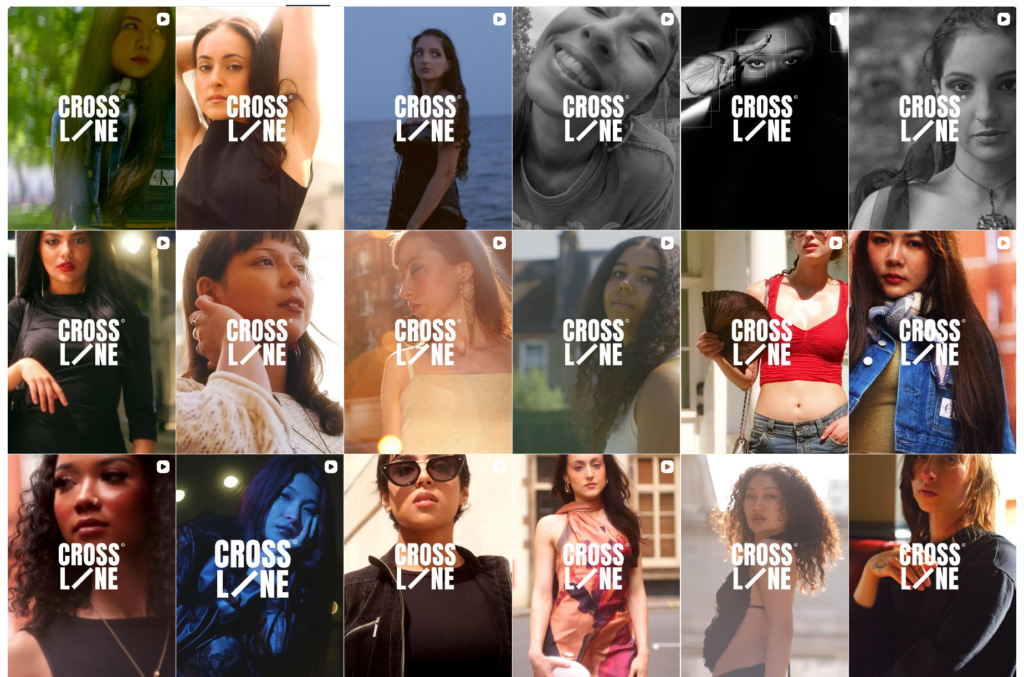
The filmmaker behind CROSSLINE Editorial Film Portraits is quietly reshaping the way portraiture is experienced. Portraiture has traditionally been associated with still photography. For London director and cinematographer Amara Karim, however, a portrait is something far more immersive. Through his creative platform CROSSLINE, Karim is pioneering an approach he describes as Editorial Film Portraits—a fusion of fashion, cinema and human expression. Built around the belief that movement reveals personality just as much as appearance, CROSSLINE creates cinematic short films that capture atmosphere, emotion and identity through carefully crafted visual storytelling. Every frame is intentionally designed, allowing each subject to become part of a narrative rather than simply the focus of a photograph. Karim’s filmmaking journey spans more than ten years, during which he has directed commercial productions, music videos and creative projects across multiple disciplines. That experience has shaped a distinctive visual language defined by elegant camera movement, understated storytelling and a refined editorial aesthetic. “The camera isn’t there simply to record someone,” explains Karim. “It’s there to reveal something about them. The moments between poses are often the most interesting because that’s where authenticity lives.” Inspired by the worlds of fashion editorials, independent cinema and contemporary culture, CROSSLINE embraces collaboration as a core part of its philosophy. Models, creators, artists and brands are invited to contribute to projects that prioritise artistic expression over commercial convention, resulting in films that feel both intimate and cinematic. Editorial Film Portraits by Amara Karim Are the New “It” Form of Portraiture Since its launch, CROSSLINE Editorial Film Portraits has steadily attracted a growing network of collaborators who share Karim’s passion for creating meaningful visual work. Rather than chasing trends, the platform has become recognised for its distinctive editorial style, cinematic compositions and carefully considered approach to storytelling. As CROSSLINE continues to evolve, Karim is preparing the next chapter of the project through new collaborations with models, creators, artists and fashion brands across the UK and overseas. With Volume Two currently in development, the platform continues to build an expanding body of editorial work while exploring new creative ideas and partnerships. While independently driven, Karim’s long-term vision is simple: to continue building CROSSLINE Editorial Film Portraits into a recognized creative platform where cinema, portraiture and fashion intersect—creating work that feels timeless regardless of changing trends. About CROSSLINE Founded by director and cinematographer Amara Karim, CROSSLINE is a London-based creative platform dedicated to Editorial Film Portraits. Combining cinematic filmmaking, fashion influences and visual storytelling, the project creates moving portraits designed to feel timeless rather than trend-driven. Follow the journey as CROSSLINE continues to collaborate with models, artists, creators and fashion brands across the UK and internationally. CROSSLINE Instagram: @crosslinestudio.co Amara Karim Instagram: @amarakarimfilm Website: www.crosslinestudio.co YouTube: https://www.youtube.com/@CROSSLINESTUDIOEditorialFilmPo Explore: https://linktr.ee/crosslinestudio
