
A Journey Through Classic New York Architecture
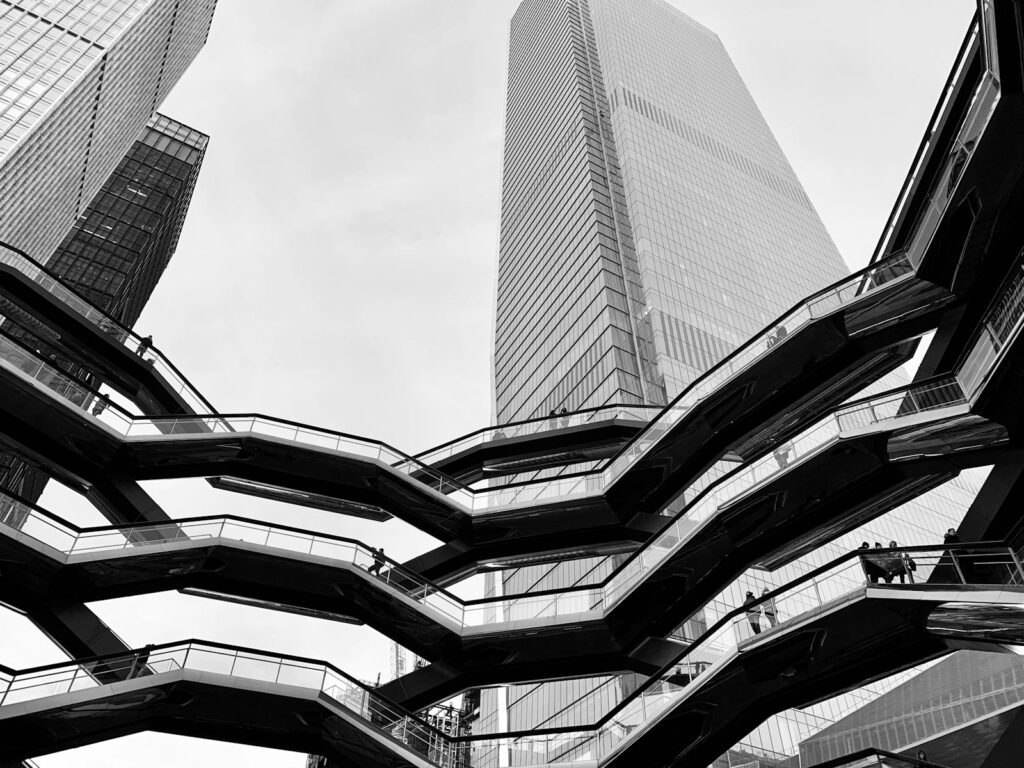
Concrete Cathedrals and Gilded Giants Known around the world for its stunning views and history, New York architecture is a real-life example of unwavering resilience. New York’s skyline, a jagged tapestry of steel and stone, tells a story of ambition and innovation. From the Gilded Age grandeur to the Art Deco heights, classic New York architecture is a testament to the city’s enduring spirit. The late 19th and early 20th centuries, a period of unprecedented economic growth, saw the rise of the Beaux-Arts style, a movement that brought European elegance to the burgeoning metropolis. Buildings like the Grand Central Terminal, with its celestial ceiling and monumental facade, epitomize this era. Its harmonious blend of classical elements and functional design transformed a transportation hub into an architectural masterpiece. The New York Public Library’s Stephen A. Schwarzman Building, another Beaux-Arts gem, showcases the style’s emphasis on symmetry, ornamentation, and civic grandeur. Its iconic lion sentinels and grand marble halls reflect the city’s commitment to knowledge and culture. Simultaneously, the quest for vertical expansion led to the development of the skyscraper, a uniquely American architectural form. The Woolworth Building, once the tallest building in the world, stands as a Gothic Revival skyscraper, its intricate terra-cotta details and soaring spire a testament to early skyscraper ingenuity. Its ornate lobby, adorned with mosaics and sculptures, reflects the opulence of the era. The Art Deco movement, with its sleek lines and geometric patterns, further transformed the city’s skyline in the 1920s and 30s. The Chrysler Building, an Art Deco masterpiece, is a shining example of this style. Its stainless steel crown, with its radiating sunburst pattern, is an iconic symbol of New York’s ambition and dynamism. The Empire State Building, another Art Deco marvel, rose to become the world’s tallest building, its streamlined facade and soaring height embodying the city’s relentless drive for progress. Its observation deck, offering panoramic views of the city, has become a quintessential New York experience. Beyond these iconic skyscrapers, classic New York architecture extends to the residential and commercial buildings that line the city’s streets. The brownstone townhouses of Brooklyn and the Upper West Side, with their elegant facades and intricate details, reflect the city’s rich history and diverse communities. These buildings, often preserved and restored, offer a glimpse into the city’s past, providing a sense of continuity and character. The architectural legacy of New York is not limited to its grand structures. It extends to the city’s parks, bridges, and infrastructure, all of which contribute to its unique character. The Brooklyn Bridge, an engineering marvel of the 19th century, with its Gothic arches and steel cables, is a symbol of the city’s ambition and ingenuity. Central Park, a carefully designed urban oasis, provides a green respite from the city’s hustle and bustle, showcasing the importance of public spaces in urban life. Preserving classic New York architecture is an ongoing effort, balancing the need for modernization with the desire to maintain the city’s historical character. Landmark preservation laws and community initiatives play a crucial role in protecting these architectural treasures for future generations. These buildings, with their intricate details and rich histories, serve as reminders of the city’s past, offering a tangible connection to the people and events that shaped its present. Classic New York architecture is more than just a collection of buildings; it is a living history, a testament to the city’s enduring spirit and its relentless pursuit of progress. It is a reminder that even in the face of constant change, the city’s architectural legacy remains a vital part of its identity, a source of inspiration and pride for New Yorkers and visitors alike.
5 Popular Art Techniques Capturing Artist’s Hearts
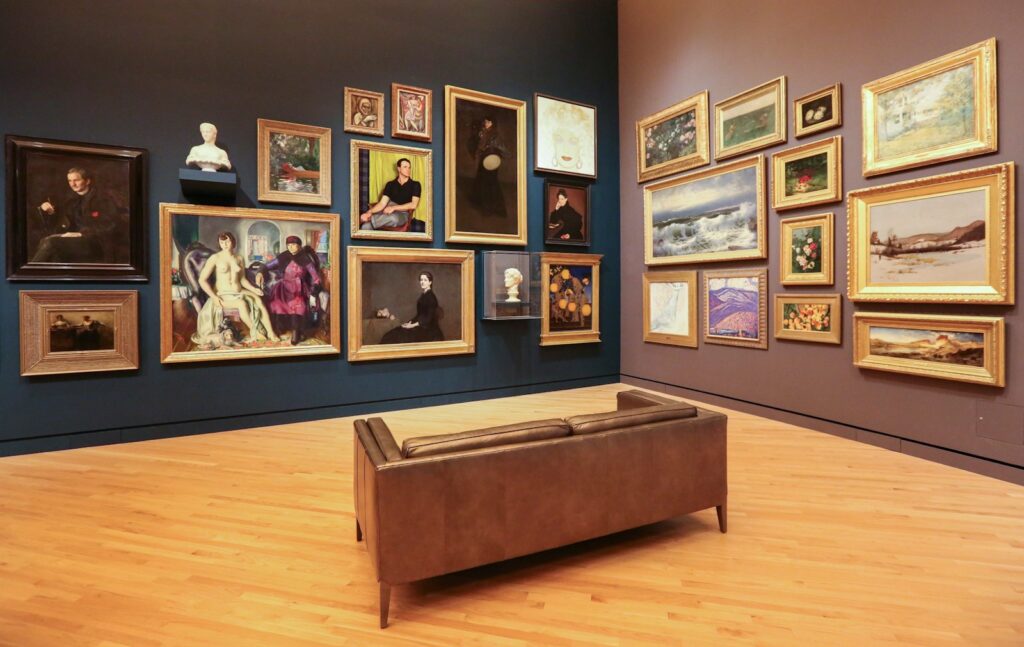
Art, in its boundless forms, is a testament to human creativity. Beneath the diverse styles and subjects lie fundamental art techniques that artists employ to bring their visions to life. These techniques, refined over centuries, provide the building blocks for countless masterpieces. Here, we explore five of the most popular and influential art techniques used by artists across various mediums. 1. Painting: The Dance of Pigment and Surface Painting, perhaps the most recognizable art form, involves applying pigments suspended in a binder to a surface. The sheer versatility of painting is staggering, encompassing a vast array of styles and approaches. 2. Drawing: The Foundation of Visual Expression Drawing, the act of marking a surface with a tool, is fundamental to all visual arts. It serves as a preparatory stage for painting, sculpture, and other disciplines, and also stands as a powerful art form in its own right. READ: A Stroke of Genius: Unveiling the Top Paintbrush Brands for Budding Artists 3. Sculpture: The Art of Three Dimensions Sculpture, the creation of three-dimensional forms, involves shaping materials through carving, modeling, casting, or assembling. 4. Printmaking: The Art of Multiples Printmaking involves creating multiple copies of an image by transferring ink from a matrix onto a surface. This technique allows for the dissemination of art and the exploration of unique visual effects. 5. Photography: Capturing Light and Time Photography, the art of capturing and recording light, has revolutionized visual culture. Its ability to document reality and create evocative images has made it an indispensable art form. Can You Tell The Difference Between Each Art Technique? These five art techniques, while distinct, often intersect and influence one another. Artists frequently combine techniques, pushing boundaries and creating innovative forms of expression. From the timeless elegance of oil painting to the immediacy of digital photography, these techniques provide the tools for artists to shape our visual world and communicate their unique perspectives. READ: A Journey Through the History of Metal Sculptures Whether you’re an aspiring artist, a seasoned creator, or simply an admirer of visual expression, understanding these fundamental techniques unlocks a deeper appreciation for the art that surrounds us. Each stroke, carve, and click represents a conscious choice, a deliberate manipulation of materials and light to convey a specific message or emotion. So, the next time you encounter a painting, sculpture, drawing, print, or photograph, take a moment to consider the techniques employed. Try to discern the artist’s hand, the choices made, and the story being told. By engaging with art on this level, you not only enrich your own understanding but also connect with the timeless human impulse to create and communicate through visual language.
The Intertwined World of Structured Architectural Art
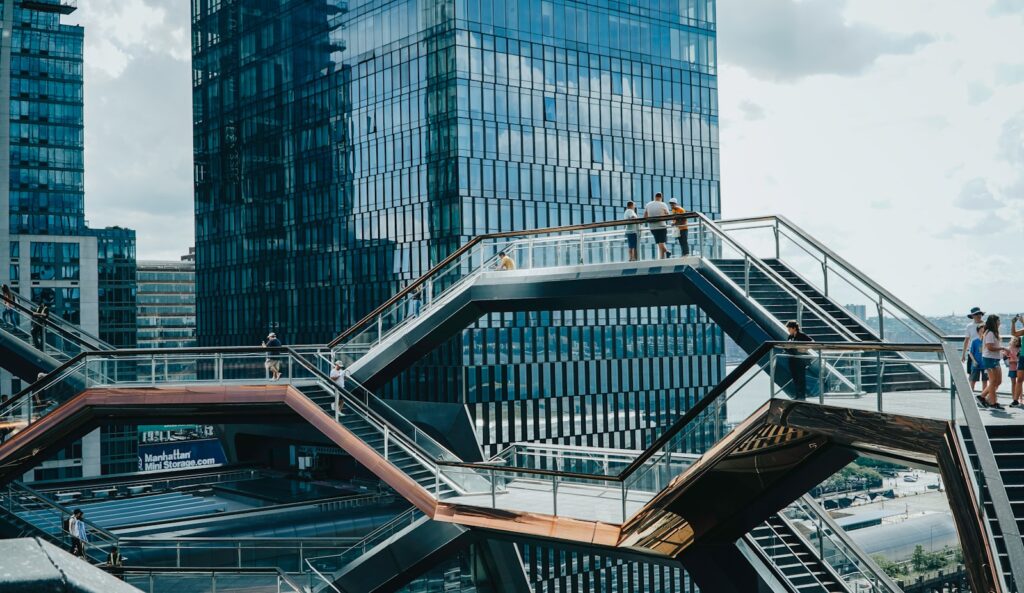
Architectural art is more than just designing buildings; it’s the harmonious fusion of function and aesthetics, where structures transcend their utilitarian purpose to become works of art in their own right. It’s the interplay between form, space, and materials, creating environments that not only shelter but also inspire and evoke emotion. From the monumental pyramids of ancient Egypt to the soaring skyscrapers of modern metropolises, architecture has always been a reflection of human ingenuity and cultural values. But when does architecture cross the line into art? It happens when a building transcends mere functionality and becomes a powerful expression of artistic vision. One crucial aspect of architectural art is the manipulation of space and light. Architects meticulously design spaces to create specific atmospheres, influencing how we perceive and interact with our surroundings. The play of light and shadow, the proportions of rooms, and the flow of spaces all contribute to the overall aesthetic experience. Think of the dramatic, light-filled interiors of Gothic cathedrals, where stained glass windows transform sunlight into a kaleidoscope of colors, creating a sense of awe and spiritual transcendence. Materials also play a pivotal role in architectural art. The choice of materials, their textures, and their integration into the design can significantly impact the building’s aesthetic. From the warm, natural tones of wood and stone to the sleek, modern feel of steel and glass, materials contribute to the building’s character and visual impact. The use of innovative materials and construction techniques can also push the boundaries of architectural expression, creating unique and groundbreaking designs. Moreover, architectural art often incorporates other art forms, such as sculpture, painting, and mosaics, to enhance its aesthetic appeal. Architectural details like intricately carved facades, decorative moldings, and custom-designed lighting fixtures add layers of visual interest and contribute to the building’s overall artistic statement. Consider the Art Nouveau movement, where buildings were adorned with organic, flowing lines and intricate floral motifs, blurring the lines between architecture and sculpture. READ: From Humble Stump to Sculptured Splendor: A Journey Through the History of Woodwork Furniture The relationship between architecture and its surrounding environment is also a critical consideration. Architects strive to create buildings that not only complement their surroundings but also enhance them. This can involve integrating natural elements into the design, such as incorporating courtyards, gardens, and green roofs. It can also involve creating buildings that respond to the local climate and topography, minimizing environmental impact and maximizing sustainability. Architectural art is not limited to grand public buildings; it can also be found in residential architecture. The design of a home can reflect the personal style and artistic vision of its inhabitants, creating a unique and expressive living space. From minimalist modern homes with clean lines and open floor plans to traditional homes with ornate details and cozy interiors, residential architecture offers a diverse range of artistic expressions. Ultimately, architectural art is about creating spaces that are not only functional but also beautiful and meaningful. It’s about designing buildings that inspire, evoke emotion, and leave a lasting impression. It’s the fusion of artistic vision and technical expertise, creating a built environment that enriches our lives and reflects the best of human creativity. It is a testament to the fact that buildings are not just structures, but canvases for human expression.
