
Luxx Optica, One Joli Girl Host Artsy Gathering in Palm Beach
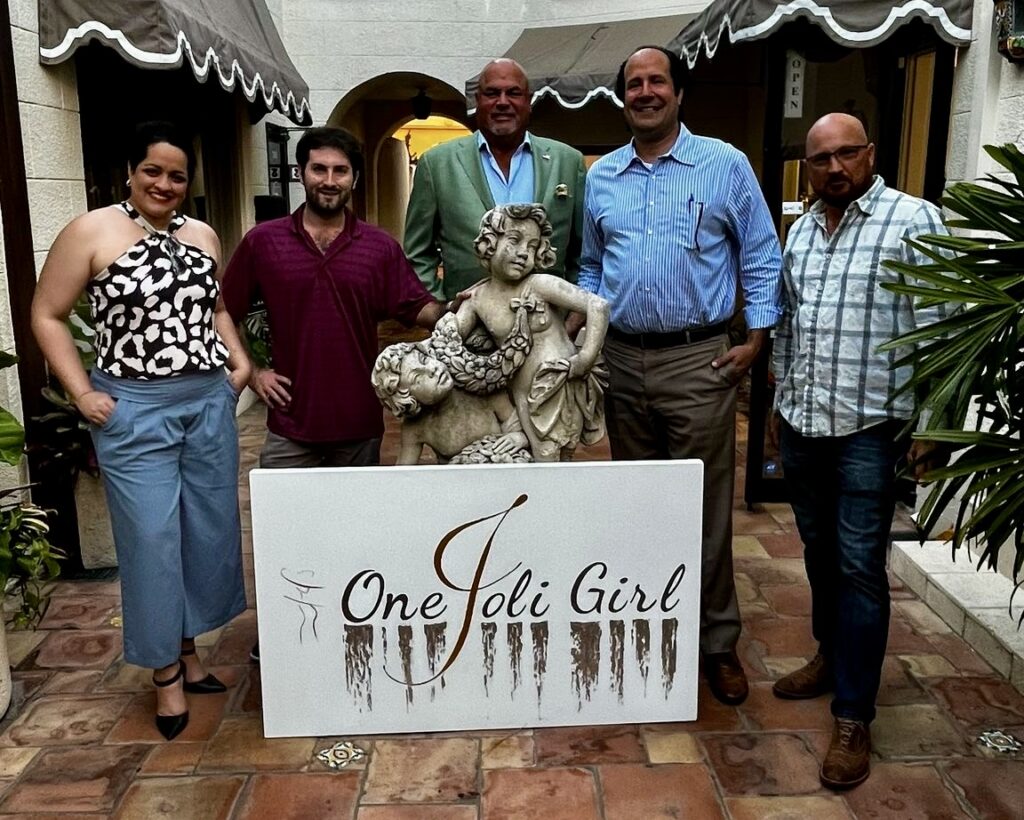
The evening of Thursday, April 17th, saw a stylish confluence of art, big-eye binoculars, and professional networking at the exclusive social gathering hosted by Luxx Optica and One Joli Girl, held at 323 Worth Avenue, Suite B, in Palm Beach, Florida. Guests were treated to an artsy networking event with drinks in tow, seamlessly blending the worlds of luxurious World War II binoculars, fashion, and captivating curated art. The spotlight shone on the mesmerizing works by Todd Kenyon and Meliza Ruby Abreu (aka. Melrub), whose artwork and sculptures added a unique dimension to the sophisticated ambiance. Attendees mingled amongst the striking pieces, sparking conversations and adding an artistic flair to the evening. Models in attendance had an opportunity to chat with the team from One Jolie Girl, known for their model management, photography, and casting services. The official venue, Luxx Optica gallery in West Palm Beach, showcased stunning World War II binoculars with high-precision optics, which have been meticulously restored to their original glory, as well as a mix of finely-made reproductions. The intricate details and craftsmanship of these historic binoculars are truly a sight to behold, transporting visitors back in time to the era of the war. Each pair tells a unique story of its own. READ: 5 Popular Art Techniques Capturing Artist’s Hearts The event was a perfect blend of art, fashion, and networking, leaving everyone inspired for what’s to come. If you are an art collector and interested in purchasing functional artwork for your home or commercial space, send an email to sales@luxxoptica.com. For models interested in exploring the expert services of One Joli Girl, contact their team at onejoligirl@gmail.com. View this post on Instagram A post shared by One Joli Girl LLC. (@onejoligirl)
Pop Art: Its Beginnings and Influences
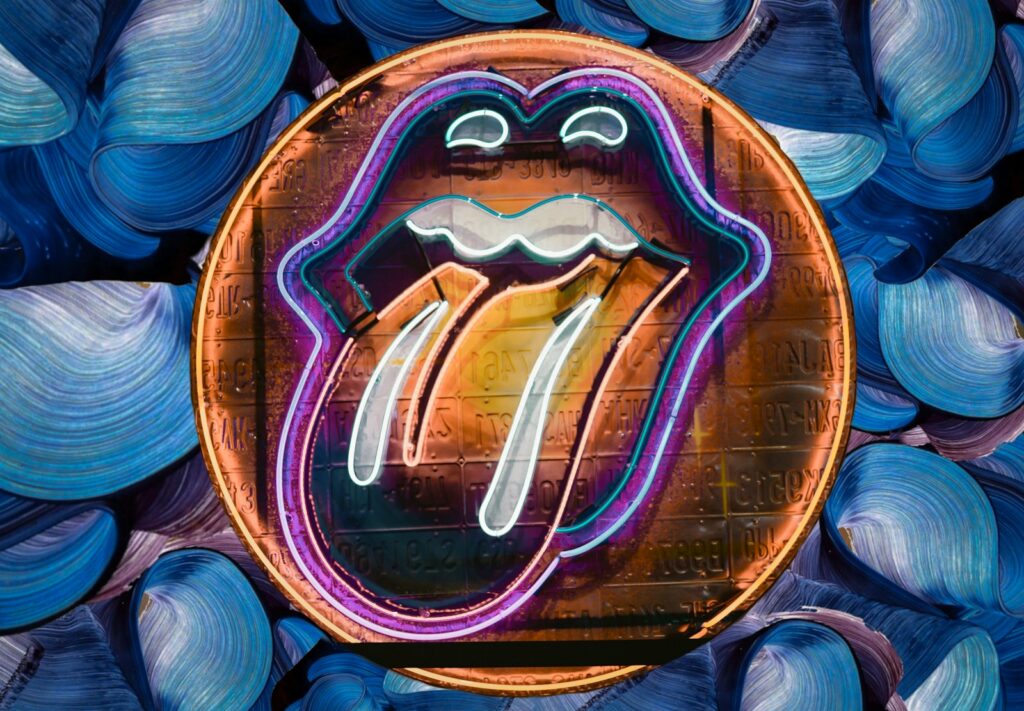
Pop art, a vibrant and revolutionary art movement, emerged in the mid-20th century, fundamentally challenging the established notions of fine art. Its origins can be traced to both Britain and the United States, where artists began to draw inspiration from the very fabric of popular and mass culture. Here’s a breakdown of the beginnings of pop art: The Roots in Britain: The Rise in the United States: READ: Monument to Victory: The Enduring Allure of the Arc de Triomphe Key Characteristics: In essence, the beginnings of pop art marked a significant shift in the art world, bringing everyday objects and mass media imagery into the realm of fine art. It was a movement that both celebrated and critiqued the consumer culture of the mid-20th century, leaving a lasting impact on subsequent artistic developments.
The Enduring Beauty of Stained Glass Art
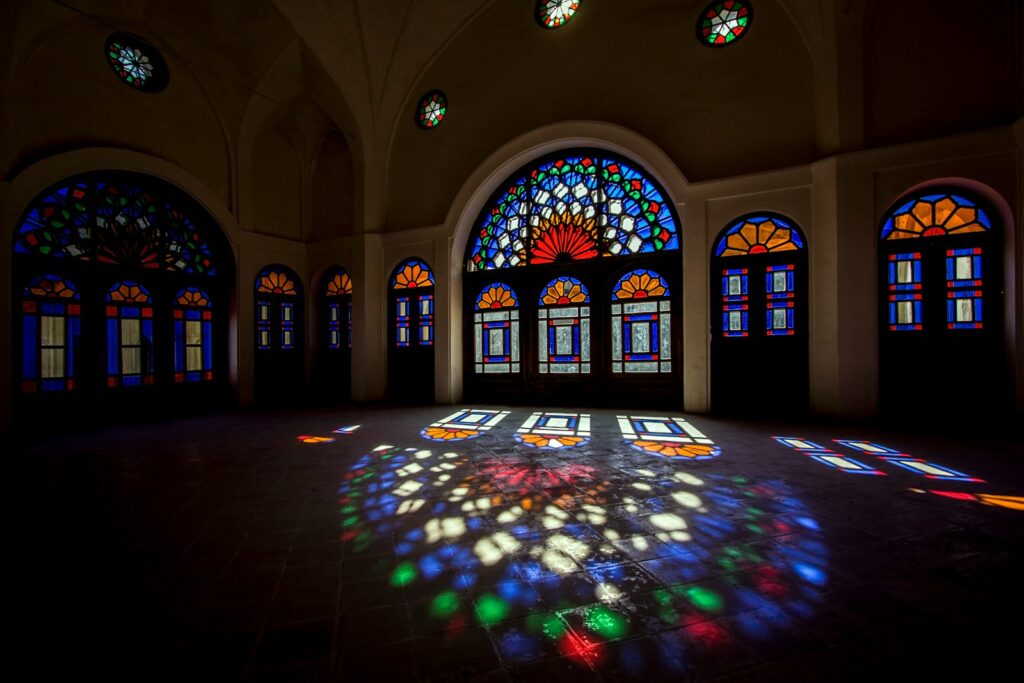
Stained glass art, a medium that transforms light into vibrant narratives, has captivated humanity for centuries. More than just decorative, it’s a testament to human artistry, technical ingenuity, and spiritual expression. From the grand cathedrals of medieval Europe to the intimate settings of contemporary homes, stained glass continues to illuminate our world with its ethereal beauty. The process of creating stained glass is a delicate dance between fire, color, and craftsmanship. First, molten glass, imbued with metallic oxides for coloration, is shaped into sheets. These sheets are then meticulously cut into precise shapes according to a design, often a “cartoon” drawn on paper. The edges of the glass pieces are smoothed and sometimes painted with grisaille, a pigment that allows for shading and detail, before being fired to fuse the paint. The key to holding these intricate pieces together is lead came, a flexible lead strip with H-shaped channels. The glass pieces are nestled into these channels, forming a mosaic-like panel. Soldering the lead came at the joints creates a strong, unified structure. Finally, the finished panel may be puttied to seal it and enhance its durability. The history of stained glass art is deeply intertwined with religious architecture. In the Romanesque and Gothic periods, stained glass windows served as “Bibles for the illiterate,” depicting biblical stories and saints’ lives in vibrant colors. The soaring cathedrals of Chartres, Canterbury, and Notre-Dame, with their expansive rose windows and narrative panels, are prime examples of this era’s mastery. The intense, jewel-like colors, achieved through techniques like “flashing” (layering different colored glass), created a transcendent atmosphere, filtering daylight into mystical hues. READ: In the Hands of Masters: A Journey Through the Craft of European Furniture Artisans The Renaissance saw a shift towards more naturalistic depictions and the incorporation of perspective, reflecting the broader artistic trends of the time. However, the Reformation led to a decline in religious stained glass production in some regions, as Protestant reformers viewed it as idolatrous. The 19th century witnessed a revival of stained glass art, driven by the Gothic Revival movement. Artists like William Morris and Edward Burne-Jones, associated with the Arts and Crafts movement, championed the return to traditional techniques and the creation of handcrafted, aesthetically driven designs. This period saw a renewed interest in secular subjects, including landscapes, portraits, and abstract patterns. The 20th and 21st centuries have seen stained glass evolve further, embracing modern art movements and exploring new materials and techniques. Artists like Marc Chagall and Gerhard Richter have pushed the boundaries of the medium, creating abstract and expressive works that challenge traditional notions of stained glass. Contemporary artists are also experimenting with fusing, slumping, and laminating glass, creating sculptural and three-dimensional works. READ: Fire and Form: A History of Welding’s Artistic Embrace Beyond religious and artistic contexts, stained glass has found its place in residential and commercial architecture, adding a touch of elegance and personality to spaces. From Tiffany lamps with their intricate floral designs to modern homes with custom-designed panels, stained glass continues to enhance our living environments. The enduring appeal of stained glass art lies in its ability to transform light, creating a dynamic and ever-changing visual experience. It’s a medium that bridges the gap between art and architecture, adding depth, color, and narrative to our surroundings. Whether it’s a grand cathedral window or a small, handcrafted panel, stained glass remains a testament to the enduring power of light and human creativity, a vibrant echo of history illuminating our present.
