
How Hammermill Paper Whispers Sustainability to Sketch Artists
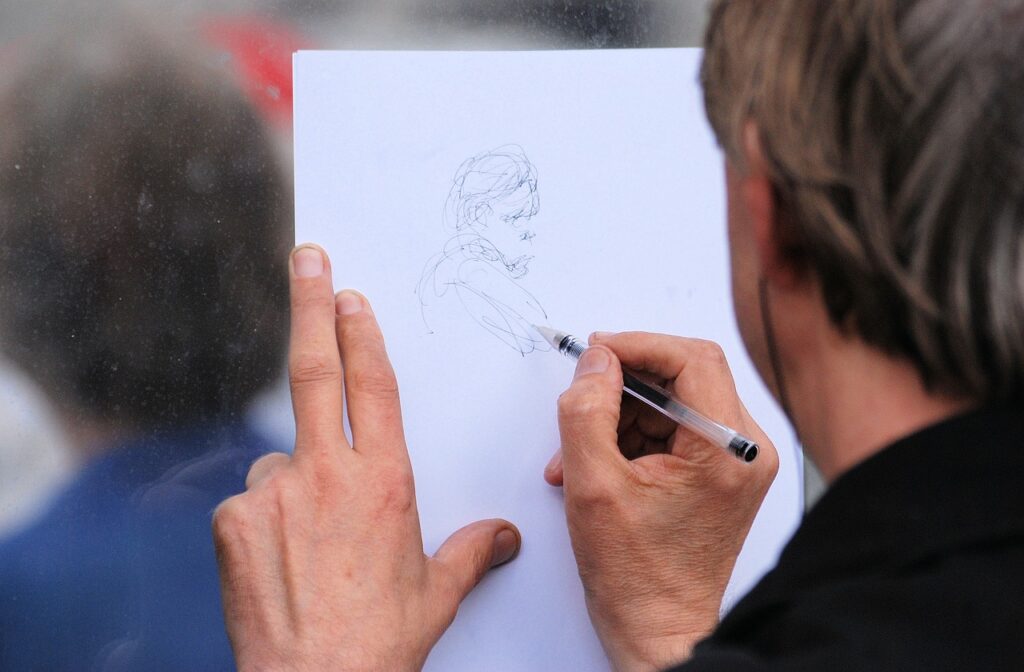
In the world of sketch artists, where charcoal whispers on paper and every stroke tells a story, the canvas beneath the charcoal is more than just a blank page. It’s a partner, a confidante, a silent stage where imagination dances into form. And for many artists, that partner of choice is Hammermill Paper, a brand synonymous with quality and now, increasingly, with a commitment to sustainability that resonates with the eco-conscious artist’s soul. Our story begins not in sleek offices or sterile factories, but in the very heart of the forest. Hammermill, with roots firmly planted in responsible forestry practices, ensures that each sheet of paper whispers of a verdant past and a sustainable future. Their commitment to using recycled fibers and certified wood sources minimizes their environmental footprint, a fact that warms the hearts of artists who see their own passion for beauty reflected in the paper’s responsible origin. But sustainability is just the first act in Hammermill’s captivating story. For sketch artists, the magic truly unfolds when charcoal meets paper. Hammermill’s smooth, toothy texture provides the perfect stage for charcoal strokes to sing. Each line glides effortlessly, leaving behind a rich, velvety black that dances with light and shadow. The subtle variations in texture, like whispers in the grain, add depth and character to every drawing, transforming a simple sketch into a captivating work of art. Unlike the sterile white of some papers, Hammermill’s subtle cream hue whispers warmth and depth. It’s a canvas that welcomes experimentation, a gentle backdrop that lets the artist’s vision take center stage. The subtle tone allows for softer blending and creates a richness of shadow that traditional white papers often struggle to capture. For artists who seek to evoke mood and atmosphere, Hammermill’s paper becomes a co-conspirator, whispering secrets of light and shadow. But Hammermill’s commitment to the artist doesn’t end with texture and tone. Their papers are acid-free and lignin-free, ensuring that artwork stands the test of time. No yellowing, no fading, just the enduring beauty of charcoal captured in its purest form. This dedication to archival quality whispers a promise to artists – their creations will not be ephemeral sketches lost to time, but lasting testaments to their talent and vision. So, the next time you reach for a sheet of Hammermill Paper, remember that it’s more than just a canvas. It’s a collaboration between artist, papermaker, and the whispering forest itself. It’s a commitment to sustainability, a dedication to quality, and a canvas that invites your imagination to dance in charcoal and light. Pick up a pencil, let the whispers guide your hand, and create your own masterpiece on a stage that not only showcases your talent, but also whispers a promise of a greener, more beautiful tomorrow. Remember, Hammermill Paper is not just for sketches; it’s for stories whispered in charcoal, for dreams etched in black and white, and for a future where art and sustainability dance hand in hand.
Unveiling the Best Drawing Pencils, According to Artists
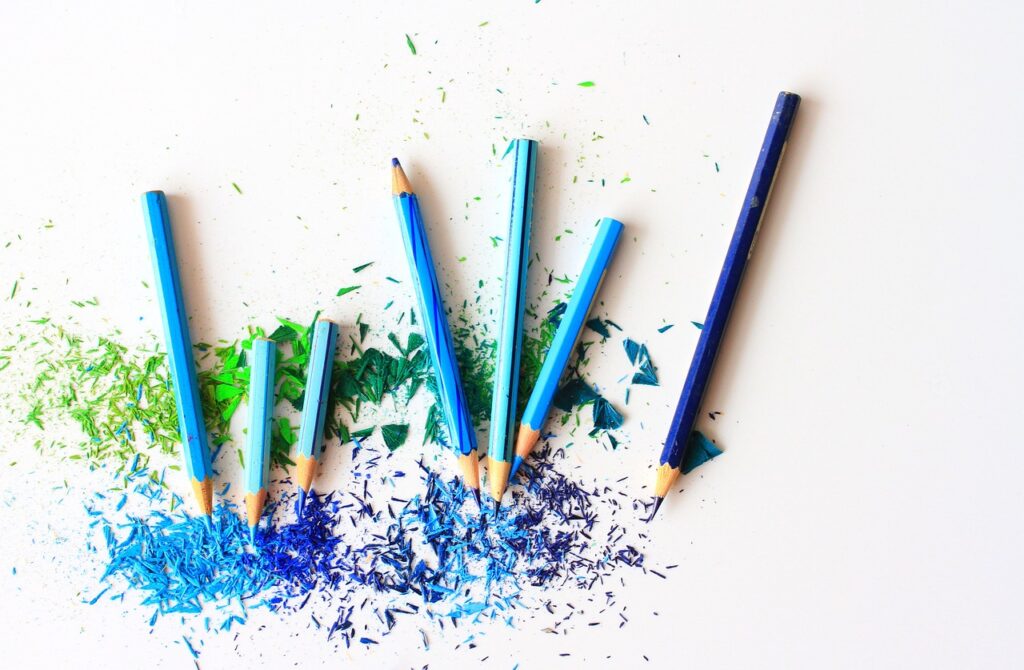
For artists, the humble drawing pencil is more than just a writing utensil. It’s a wand of creativity, a whisper of graphite dancing on paper, a silent language that speaks of light and shadow, texture and form. But with an overwhelming array of brands, grades, and styles, choosing the right pencil can feel like navigating a labyrinth. Fear not, fellow art explorers! This guide, crafted from the wisdom of seasoned artists, will illuminate your path, leading you to the perfect pencil for your artistic endeavors. The Graphite Gospel: A Tale of Hardness and Softness Our journey begins with the heart of the pencil – the graphite core. Its hardness, measured on a scale ranging from 9H (rock-hard) to 9B (inky soft), dictates the type of mark it leaves. Harder pencils, like the Faber-Castell 9000, whisper delicate lines and precise details, ideal for architectural sketches and botanical illustrations. Softer pencils, like the Staedtler Mars Lumograph, lay down rich, velvety strokes, perfect for dramatic chiaroscuro and expressive figure drawing. FaberCastell 9000 and Staedtler Mars Lumograph pencils But the story doesn’t end there. Mid-range pencils, like the Derwent Graphic, offer a delightful blend of control and expressiveness, making them versatile companions for a variety of artistic styles. Remember, the ideal hardness is a personal preference, a dance between your artistic vision and the whisper of the graphite on the paper. Experiment, explore, and let your intuition guide you. Beyond Black and White: A Rainbow of Artistic Possibilities While the classic graphite pencil reigns supreme, the world of drawing offers a vibrant palette beyond shades of gray. Colored pencils, like the Prismacolor Premier, burst onto the scene with a spectrum of possibilities. Blend them seamlessly for photorealistic landscapes or layer them boldly for abstract expression. Remember, colored pencils are not just for children’s coloring books; they are powerful tools for artists who dare to dream in color. Prismacolor Premier colored pencils Charcoal pencils, like the General’s Charcoal Drawing Assortment, offer a raw, elemental energy. Their rich, textured strokes whisper of ancient cave paintings and smoldering campfires, adding drama and depth to portraits and figure drawings. Embrace the charcoal’s inherent messiness, let its unpredictable smudging become part of your artistic conversation. Mechanical Marvels: Precision Meets Convenience For those who crave control and consistency, mechanical pencils like the Alvin Draft-Matic or Pentel Graph Gear 1000 offer a modern solution. Their fine, retractable leads ensure precise lines and eliminate the need for sharpening, making them perfect for technical drawings and architectural sketches. Don’t be fooled by their sleek exterior; mechanical pencils can still whisper tales of artistic expression, adding a touch of precision to your creative arsenal. The Final Stroke: A Whisper of Inspiration Choosing the right drawing pencil is a deeply personal journey, an intimate conversation between artist and tool. Experiment with different brands, hardnesses, and styles. Listen to the whispers of the graphite on the paper, let your intuition guide you. Remember, the perfect pencil is not just about technical specifications; it’s about finding the tool that resonates with your artistic soul, the one that allows your imagination to dance freely on the canvas. So, fellow artists, embark on your own quest for the perfect drawing pencil. Explore the aisles of art stores, delve into online reviews, and most importantly, trust your instincts. Let the graphite whisper its secrets, let the different strokes guide your hand, and remember, the best drawing pencil is the one that helps you create art that speaks to your soul. Now, pick up your pencil, let your imagination take flight, and whisper your own artistic stories onto the world, one stroke at a time.
Melting Clockworks, Dreamy Deserts: A Surreal Sojourn Through Dali’s American Odyssey
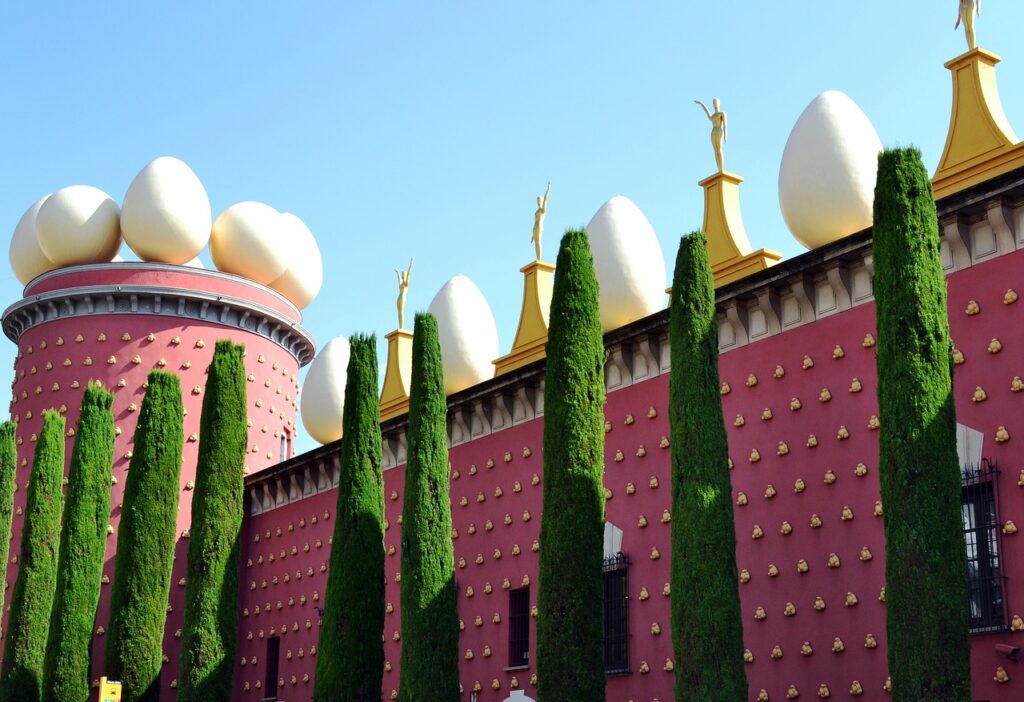
Imagine stepping into a world where melting clocks drape over barren landscapes, lobster phones ring the air, and dreamscapes shimmer on every horizon. This, dear reader, is the world of Salvador Dalí, and in the early 1980s, it materialized across the United States in a series of exhibitions that continue to ignite controversy and captivate audiences. Join us on a surreal sojourn through these dreamlike displays, where melting clocks whisper tales of warped realities and melting landscapes sing of a boundless imagination. Our story begins not in grand galleries, but in the heart of the American desert. Phoenix, Arizona, hosted “Dalí: Master of Dreams,” a mesmerizing showcase of over 200 works spanning the artist’s career. Stepping into the exhibition was akin to plunging into a subconscious whirlpool. Lobster telephones lurked in shadowy corners, melting clocks oozed over barren landscapes, and the hypnotic gaze of Gala, Dalí’s muse, seemed to beckon from every canvas. Each brushstroke whispered of a mind unfettered by convention, a playground where logic dissolved and dreams reigned supreme. But “Master of Dreams” was not just a visual feast. It was a dialogue, a provocative confrontation between Dalí’s surreal vision and the American psyche. His distorted figures and dreamlike landscapes challenged viewers’ perceptions of reality, his flamboyant personality and outlandish pronouncements sparked both admiration and derision. Yet, beneath the shock and awe, a deeper fascination emerged. Dalí’s art, born from his own anxieties and obsessions, became a mirror reflecting the American subconscious, its own anxieties about nuclear war, environmental destruction, and the ever-looming threat of the absurd. Across the country, other exhibitions echoed this theme. The Los Angeles County Museum of Art delved into Dalí’s fascination with dreams and psychoanalysis, showcasing his collaborations with Federico García Lorca and Luis Buñuel, where art and dreams blurred into a mesmerizing spectacle. In Philadelphia, the Pennsylvania Academy of the Fine Arts explored Dalí’s relationship with religion, his melting clocks and distorted crucifixes whispering of a warped faith and a troubled relationship with the divine. But the Dali exhibitions weren’t confined to traditional museums. The Salvador Dalí Museum in St. Petersburg, Florida, a surreal dream in its own right, provided a permanent home for the artist’s works, allowing visitors to immerse themselves in his warped universe year-round. And across the country, lectures, film screenings, and even performances inspired by Dalí’s work further fueled the public’s fascination, proving that his art had permeated American culture far beyond the gallery walls. The impact of these exhibitions extended far beyond the realm of art appreciation. Dalí’s surreal lens became a touchstone for contemporary artists, his exploration of dreams and subconscious landscapes influencing figures like David Lynch and Jeff Koons. His defiance of artistic conventions and embrace of the absurd resonated with a generation weary of conformity and eager to explore the fringes of human experience. So, the next time you encounter a melting clock or a lobster phone, remember the whispers of the American Dali exhibitions. Remember the landscapes stretching into infinity, the distorted figures defying gravity, and the artist’s booming voice, proclaiming, “I paint what I see without looking.” Let his dreamlike canvases ignite your own imagination, let his warped realities challenge your perceptions, and let the whispers of his subconscious guide you on a journey where logic surrenders to the boundless potential of human creativity. For in the end, that is the true legacy of these American exhibitions: they weren’t just about showcasing art; they were about reminding us that art is a portal, a window into the subconscious that allows us to glimpse the bizarre beauty and hidden anxieties that lie within us all. And in that glimpse, Dalí’s melting clocks whisper an invitation: step into the dream, defy the rules, and paint your own surreal masterpiece.
Art Basel Miami Beach 2023 Was A Kaleidoscope of Creativity
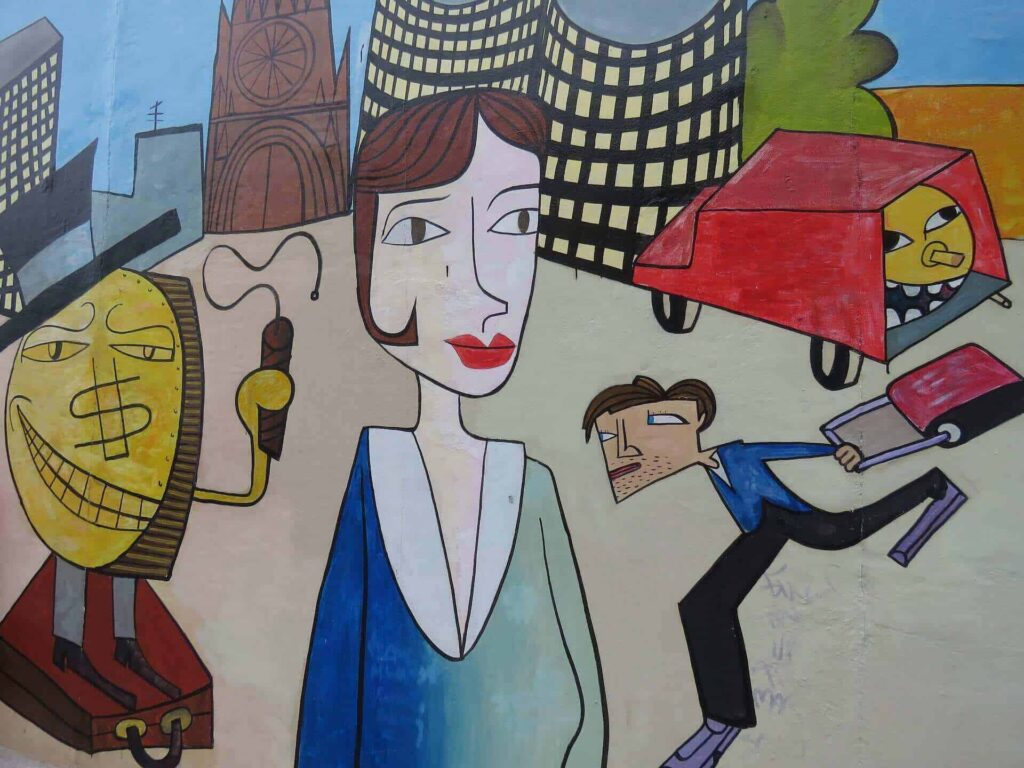
Miami Beach transformed into a dazzling, kaleidoscope of creativity during Art Basel Miami Beach 2023. From December 5th to 10th, the city pulsed with an electric energy as art aficionados, collectors, and industry insiders converged to experience a mind-bending array of contemporary art. The iconic Miami Beach Convention Center served as the epicenter of this artistic extravaganza. Over 280 leading galleries from around the world showcased a breathtaking spectrum of works, from established masters to emerging talents. The juxtaposition of classic and avant-garde, the familiar and the experimental, created a dynamic tension that captivated visitors. Beyond the convention center, the vibrant energy of Art Basel spilled into the surrounding neighborhoods. Wynwood, with its graffiti-adorned walls and trendy boutiques, hosted satellite fairs like Scope and Red Dot, offering a more accessible platform for contemporary art. The Design District, a haven for luxury and design, also played host to a variety of art-related events. Art Basel Miami Beach 2023 was more than just a showcase; it was a cultural phenomenon. The event’s theme, “Aftershock,” resonated deeply, as artists grappled with the profound changes shaping our world. From climate change to social inequality, the works on display offered thought-provoking commentary and inspired dialogue. But amidst the serious conversations and intellectual stimulation, Art Basel was also a celebration of life and beauty. Glamorous parties, exclusive events, and impromptu gatherings provided opportunities for networking, socializing, and simply enjoying the intoxicating atmosphere. Whether you were drawn to the bold strokes of abstract expressionism, the intricate details of conceptual art, or the immersive experiences of installation pieces, Art Basel 2023 had something to offer everyone. It was a place where boundaries were pushed, imaginations were ignited, and the power of art to transform lives was on full display. As the sun dipped below the horizon, casting a golden glow over the city, Art Basel 2023 came to a close, leaving an indelible mark on the hearts and minds of all who attended. It was a reminder that art is not merely a commodity, but a vital force that shapes our world and enriches our lives.
How To Make Your Own Clay for Sculpting at Home
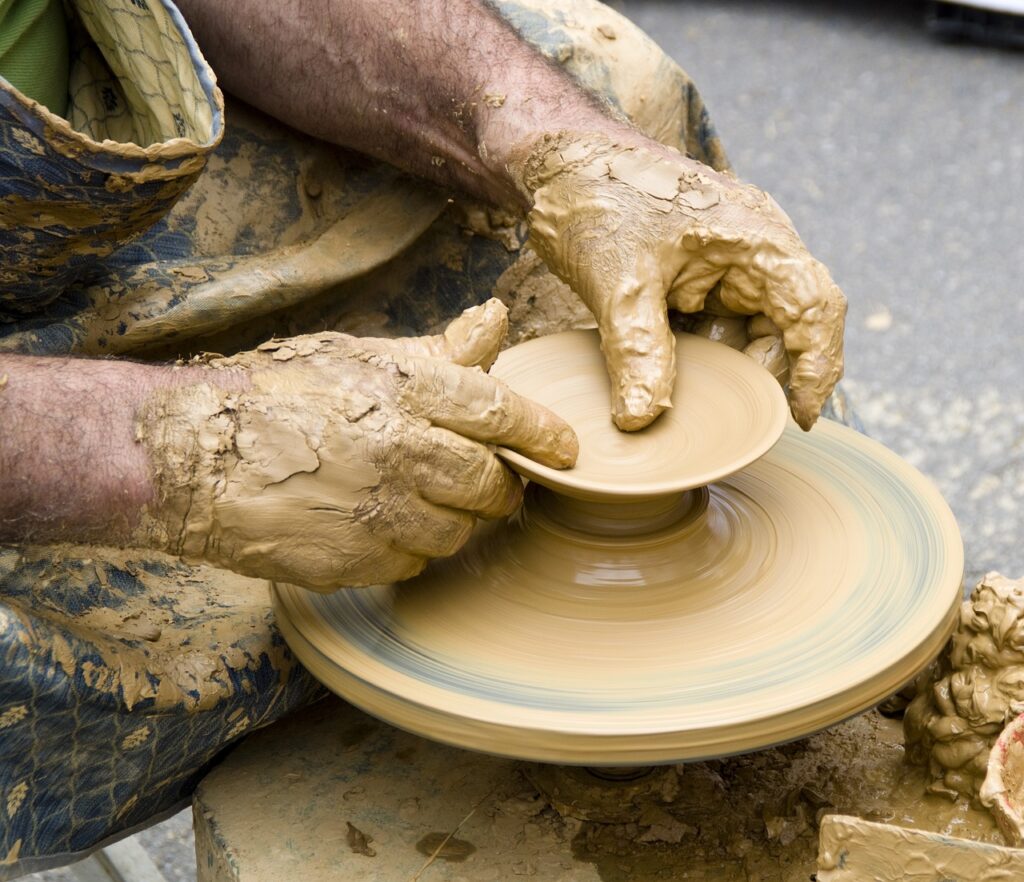
Sculpting at home is a fun and rewarding activity that can help you relax, express your creativity, and even make unique gifts. But what if you don’t have access to a pottery studio or don’t want to spend money on store-bought clay? Then making your own clay at home is the perfect solution! There are many different recipes for homemade clay, but in this article, we will share two of the easiest and most popular methods. The first method uses common kitchen ingredients, while the second method uses natural clay that you can find outdoors. Method 1: Kitchen Clay This method is great for beginners because it requires only a few ingredients that you probably already have in your pantry. Ingredients: Instructions: Method 2: Natural Clay If you’re feeling adventurous, you can try making clay from natural soil. This method is a bit more challenging than the kitchen clay method, but it can be rewarding if you find the right type of clay. What you’ll need: Instructions: Tips for success: With a little practice, you’ll be able to make your own clay at home and create beautiful sculptures that you’ll be proud of. I hope this article has inspired you to try your hand at making your own clay. With a little creativity and effort, you can create one-of-a-kind pieces that will be cherished for years to come. Happy sculpting! Please note that these are just two basic recipes for homemade clay. There are many other variations that you can experiment with. With a little creativity, you can find the perfect clay recipe for your needs. I would also like to add that it is important to be aware of the safety risks associated with using natural clay. Some clays can contain harmful bacteria or chemicals. If you are concerned about the safety of the clay you find, it is best to buy clay from a reputable source. Finally, I hope you enjoy sculpting! It is a truly rewarding activity that can be enjoyed by people of all ages.
Sunflowers in the Land of Eagles, Van Gogh’s American Exhibitions
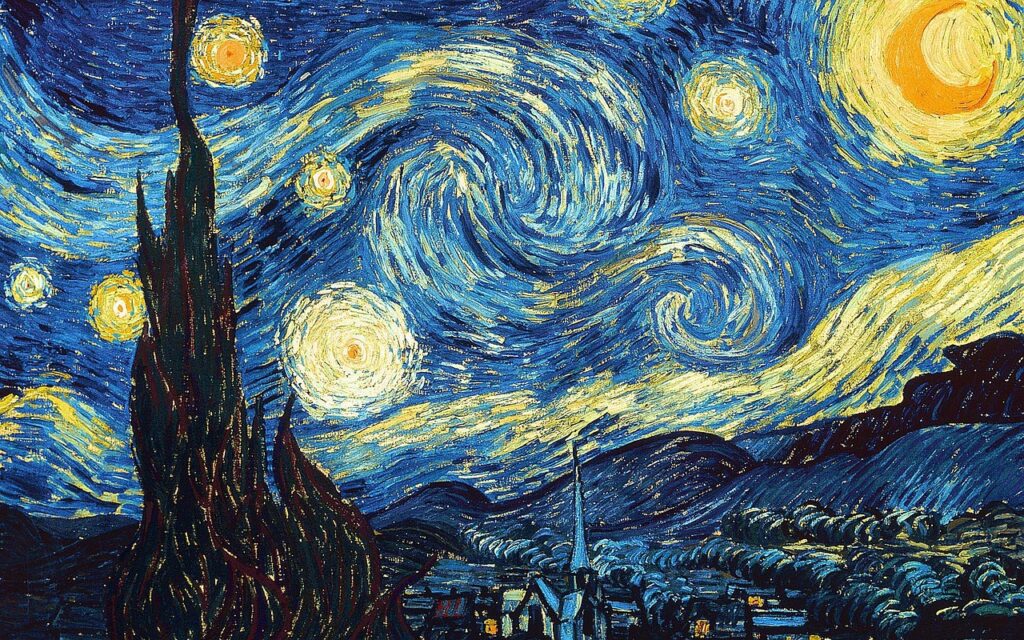
Imagine a world swirling with vibrant hues, where stars dance on canvases and sunflowers radiate a golden glow. This, dear reader, is the world of Vincent van Gogh, and in 2023, it swept across the United States in a series of exhibitions that captivated audiences and reignited the flame of his artistic genius. Join us on a journey through these immersive experiences, where brushstrokes whisper tales of a troubled soul and bold colors sing of a relentless passion for life. Our story begins not in grand museums, but in the heart of the American Midwest. Detroit’s Institute of Arts, the first public museum in the US to acquire a Van Gogh, hosted “Van Gogh in America,” a monumental exhibition showcasing 74 authentic works. Stepping into the gallery was akin to stepping into a Van Gogh painting itself. The walls vibrated with the swirling brushwork of his iconic landscapes, the familiar faces of his portraits seemed to gaze back with knowing eyes, and the sunflowers, those golden symbols of hope and resilience, stood tall and proud, their petals echoing the vastness of the American plains. But “Van Gogh in America” was not just a retrospective. It was a conversation, a dialogue between the artist and the American spirit. The exhibition explored how Van Gogh’s work resonated with American audiences, from the early fascination of artists like Mary Cassatt to the profound impact he had on Abstract Expressionists like Jackson Pollock. Each brushstroke whispered of a shared yearning for individuality, a rebellion against artistic conventions, and a relentless pursuit of beauty amidst the shadows of life. Across the country, other exhibitions echoed this theme. The Museum of Fine Arts in Houston, Texas, brought together masterpieces from the Pearlman Foundation, showcasing Van Gogh’s fascination with nature and his unique ability to transform everyday objects into vessels of poetic expression. In Chicago, the Art Institute delved into the artist’s relationship with his brother Theo, their letters whispering tales of support and artistic camaraderie, reminding us that even in the midst of personal struggles, creativity can find a way to bloom. But the Van Gogh exhibitions weren’t confined to traditional museums. Immersive experiences, like “Van Gogh: The Immersive Experience,” took audiences on a journey through the artist’s life and work, using projections and virtual reality to create a multi-sensory feast for the senses. Sunflowers danced across walls, brushstrokes swirled around visitors, and the artist’s words echoed through the air, weaving a tapestry of light and sound that brought Van Gogh’s world to life in a way that static paintings never could. The impact of these exhibitions extended far beyond the gallery walls. Social media buzzed with photos and videos, sparking conversations about mental health, artistic expression, and the enduring power of beauty. Van Gogh’s brushstrokes became a rallying cry for creativity, a reminder that even in the darkest of times, a spark of color can ignite a revolution. So, the next time you encounter a Van Gogh painting, remember the whispers of the American exhibitions. Remember the sun-drenched sunflowers standing tall against the backdrop of urban landscapes, the swirling brushstrokes echoing the vastness of the prairies, and the artist’s voice, carried across the ocean, reminding us that beauty can bloom even in the most unexpected places. Let his colors inspire your own artistic journey, let his passion fuel your own creative fire, and let the whispers of Van Gogh guide you on a path where imagination knows no bounds. For in the end, that is the true legacy of these American exhibitions: they weren’t just about showcasing art; they were about reminding us that art is a language, a conversation that transcends borders and speaks to the soul in a language of color, light, and emotion. And in that conversation, Van Gogh’s brushstrokes whisper an invitation: join me, dance with me, and let your own colors shine.
A Whimsical Waltz Through the NFT Universe
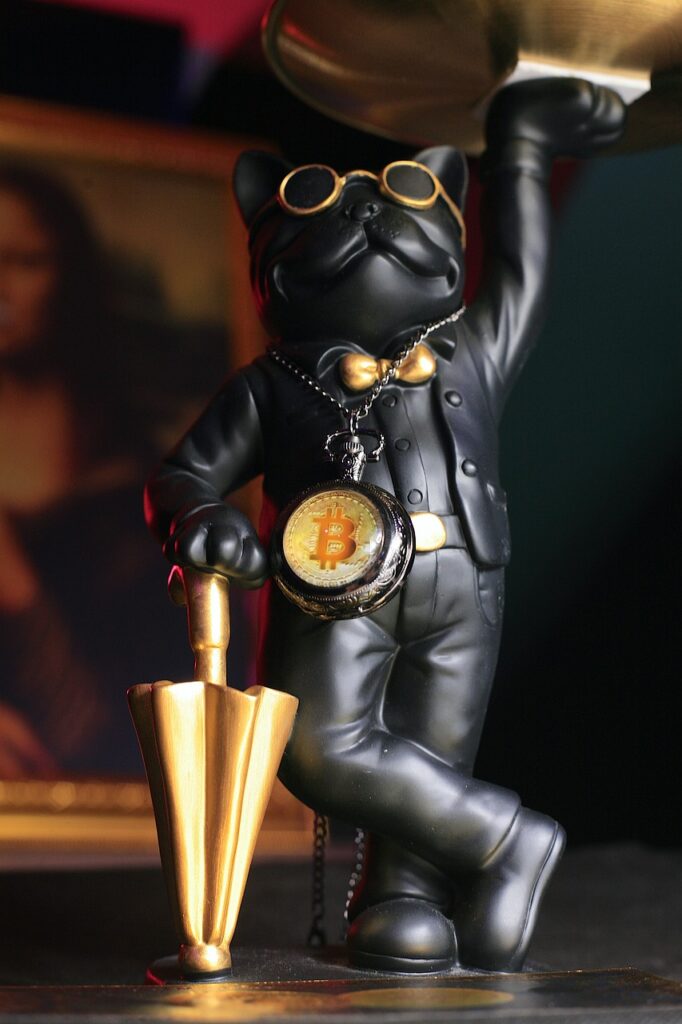
In the vibrant marketplace of human ingenuity, a new currency whispers promises of ownership and revolution: the Non-Fungible Token (NFT). Born from the ether of blockchain technology, it paints a mesmerizing picture of digital scarcity in a world awash with abundance. Join us on a whimsical journey through the history of NFTs, exploring their enigmatic origins, burgeoning popularity, and the captivating brushstrokes that paint their future. Our tale begins not in bustling auction houses, but in the hushed whispers of tech forums and crypto circles. Around 2014, artists like Kevin McCoy and Anil Dash began experimenting with blockchain technology, seeking to create unique digital tokens proving ownership of their online creations. These early NFTs, like McCoy’s iconic “Quantum,” were more pixelated whispers than dazzling masterpieces, yet they laid the foundation for a revolution in how we value and interact with digital art. Fast forward to the mid-2010s, and the NFT canvas explodes with color. Platforms like CryptoPunks and CryptoKitties burst onto the scene, offering collections of quirky, pixelated characters, each one unique and immutably owned. The art world takes notice, with digital artists like Beeple and Pak finding their works fetching millions in online auctions. NFTs, once a niche curiosity, become a global phenomenon, their digital brushstrokes whispering of a new art market, unbound by the constraints of physical galleries and traditional forms. But what fuels the captivating allure of NFTs? Their value lies not just in their scarcity, but in the possibilities they unlock. They empower artists to monetize their digital creations directly, cutting out intermediaries and fostering a vibrant, artist-centric ecosystem. For collectors, they offer a new domain for patronage, a chance to own a piece of the digital future, and a community of like-minded enthusiasts connected by the invisible threads of shared ownership. Furthermore, NFTs transcend the confines of static images. They become portals to interactive experiences, dynamic artworks that evolve over time, and even virtual land in burgeoning metaverses. Imagine owning a digital artwork that responds to your emotions, a character in a virtual world you co-create with other owners, or a piece of history embedded in the blockchain, its ownership story etched in digital stone. This is the captivating landscape that NFTs paint, whispering of a future where art and technology dance in harmonious collaboration. Of course, not all brushstrokes are masterpieces. As with any nascent technology, challenges abound. Concerns about environmental impact, market volatility, and potential scams swirl around the NFT marketplace. Yet, amidst these whispers of doubt, a vibrant community of artists, collectors, and developers continues to paint a brighter future. Educational initiatives, sustainable blockchain solutions, and ethical marketplaces are emerging, guiding the NFT revolution towards a more responsible and inclusive vision. So, the next time you encounter an NFT, don’t simply dismiss it as a digital fad. Let the possibilities dance in your mind, hear the whispers of a new frontier for art and ownership. Remember, NFTs are not just collectible tokens; they are brushstrokes in a larger narrative, a story of human creativity pushing the boundaries of technology and redefining the very concept of value in the digital age. And perhaps, in the glow of these pixelated deeds, you’ll find yourself inspired to pick up your own digital brush and add your own verse to this captivating saga. The art market is undergoing a seismic shift, and NFTs are leading the charge. Embrace the vibrant strokes of this digital renaissance, listen to the whispers of possibility, and let your imagination paint the future of art and ownership in this brave new world.
Digital Art’s Emergence and Enduring Allure
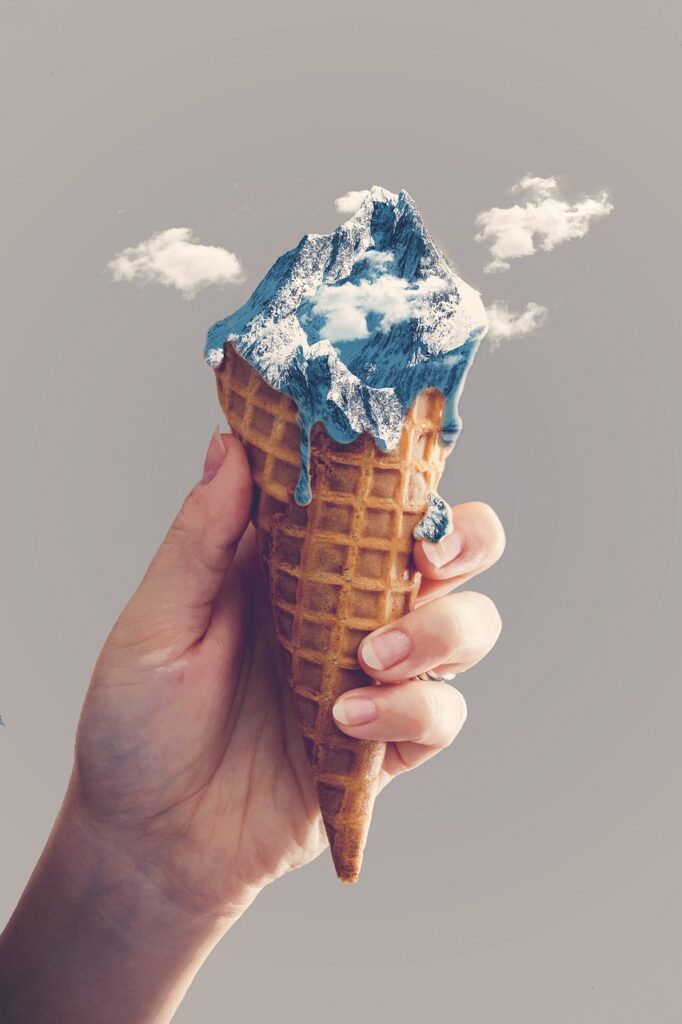
In the swirling nebula of human creativity, a new star has ignited: digital art. Born from the marriage of technology and imagination, it pulsates with a vibrant energy, pushing the boundaries of artistic expression and captivating audiences with its boundless possibilities. Join us on a cosmic journey through the history of this ever-evolving art form, from its pixelated beginnings to its dazzling present, and ponder the secrets behind its meteoric rise to artistic prominence. Our tale begins not in sleek studios, but in the flickering glow of early computer screens. The 1960s and 70s saw pioneers like Lillian Schwartz and Harold Cohen experimenting with rudimentary software, coaxing rudimentary shapes and patterns from the nascent digital canvas. These early brushstrokes, though basic, whispered of a future where technology would become an artistic tool, a paintbrush dipped in pixels rather than pigment. Fast forward to the 1980s and 90s, and the pixelated palette explodes. Personal computers become accessible, birthing software giants like Adobe Photoshop and propelling digital art into the mainstream. Artists like David Hockney and Jeff Koons embrace the new medium, their works blurring the lines between traditional and digital, each pixel whispering of the revolutionary potential within. The dawn of the 21st century unleashed a digital deluge. The internet becomes the ultimate gallery, showcasing the works of countless artists in a global, democratized platform. Social media becomes the town square, fostering vibrant communities and igniting passionate conversations about the merits and impact of digital art. From the hyperrealism of CG imagery to the playful whimsy of pixel art, the breadth of styles and techniques expands, each stroke whispering a unique artistic vision. But why has digital art captivated audiences and challenged artistic conventions? Its allure lies in its inherent magic. It grants artists unheard-of control, allowing them to sculpt worlds from scratch, manipulate reality with a click, and experiment with colors and textures beyond the constraints of physical materials. It democratizes art, breaking down barriers to entry and empowering anyone with a digital brush to unleash their creativity. Furthermore, digital art speaks to the language of our times. In a world saturated with screens and pixels, it becomes a native tongue, resonating with a generation raised on digital aesthetics and immersive experiences. Its fluidity and interactivity mirror the ever-evolving digital landscape, its adaptability whispering of a future where art and technology are inextricably intertwined. But the rise of digital art is not without its challenges. Critics may argue that it lacks the soul and texture of traditional mediums, or that its inherent reproducibility diminishes its value. Yet, these arguments miss the point. Digital art is not a replacement for traditional forms; it is a new language, a new brush in the vast artist’s toolkit. Its value lies not in its physicality, but in its boundless potential to express, to captivate, and to challenge our very understanding of what art can be. So, the next time you encounter a dazzling digital artwork, don’t simply scroll past. Let the pixels dance in your eyes, let the algorithms whisper their stories, and allow yourself to be transported to the cutting edge of human creativity. Remember, digital art is more than just a trend; it is a revolution, a testament to the ever-evolving human spirit and its insatiable desire to create. And perhaps, in the glow of these digital brushstrokes, you’ll find yourself inspired to pick up your own digital palette and add your own verse to this ever-unfolding symphony of creativity. The future of art is a luminous canvas, and digital art is poised to paint a masterpiece. Let’s embrace its vibrant strokes, listen to its pixelated whispers, and celebrate the dawn of a new era in artistic expression.
