
A Dance of Pigment and Water: Unveiling the History of Watercolor Paintings
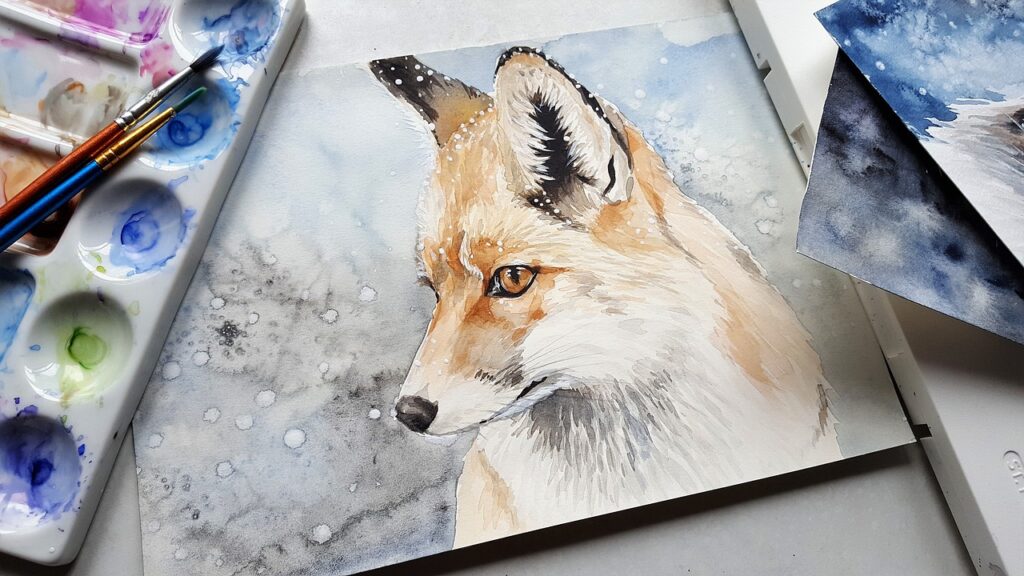
Watercolor painting, with its luminous washes and ethereal blend of pigment and water, has captivated artists for centuries. From the delicate brushstrokes of ancient Egyptians to the vibrant landscapes of Turner, these translucent dreams on paper whisper tales of artistry, innovation, and a unique relationship with the medium itself. Our journey begins not with brushes poised over paper, but with the calloused hands of cave painters. Charcoal and earth, mixed with water, danced across the rough canvas of limestone walls, birthing the earliest recorded examples of watercolor-like techniques. In these prehistoric creations, we see the seeds of an artistic dialogue that would blossom millennia later. Fast forward to the ancient world, and we find watercolor’s delicate touch adorning papyrus scrolls in Egypt and silk manuscripts in China. The Egyptians employed water-based paints to illustrate scenes of daily life and religious rituals, while Chinese masters like Dong Yuan and Guo Xi wielded thin bamboo brushes to capture the grandeur of mountains and flowing rivers, laying the foundation for landscape painting traditions. The Middle Ages saw a shift in focus, with watercolor finding its home in the intricate illustrations of illuminated manuscripts. The vibrant hues and delicate details brought biblical stories and historical narratives to life, transforming the humble book into a canvas for artistic expression. The Luttrell Psalter, with its breathtakingly detailed scenes, stands as a testament to the mastery of medieval watercolorists. The Renaissance ushered in a renewed appreciation for nature and the human form. Watercolor, with its ability to capture subtle light and delicate details, became a favored medium for botanical studies and portrait miniatures. Albrecht Dürer, the German master, employed watercolor to render meticulous botanical illustrations and intimate portraits, while Hans Bol’s masterful landscapes established a tradition of watercolor as a landscape medium in Europe. The 18th and 19th centuries witnessed a golden age for watercolor painting. In England, artists like J.M.W. Turner and John Constable pushed the boundaries of the medium, capturing the drama of the English landscape with expressive washes and vibrant colors. Turner’s “The Fighting Temeraire Tugged to Her Last Berth to Be Broken Up” stands as a masterpiece of this era, a swirling symphony of light and movement that redefined the possibilities of watercolor. Even across the Atlantic, American artists like Winslow Homer and John Singer Sargent were captivated by watercolor’s unique charm. Homer’s sun-drenched seascapes and Sargent’s loose, expressive portraits showcase the versatility of the medium, while simultaneously capturing the essence of American life. Today, the world of watercolor painting continues to thrive, embracing diverse styles and techniques. From the hyperrealism of Charles Reid to the abstract experimentation of Gerhard Richter, artists are finding new ways to express themselves through the dance of pigment and water. Whether it’s the delicate botanical studies of Elizabeth Blackadder or the bold abstracts of Helen Frankenthaler, every brushstroke speaks to the ongoing conversation between artist and medium. So, the next time you encounter a watercolor painting, take a moment to appreciate its history, its delicate nuances, and the unique dance of water and pigment it embodies. Each translucent wash, each subtle layer, whispers a story of artistry, innovation, and the enduring allure of capturing the world through the lens of watercolor’s vibrant dreams.
A Journey Through the History of Metal Sculptures
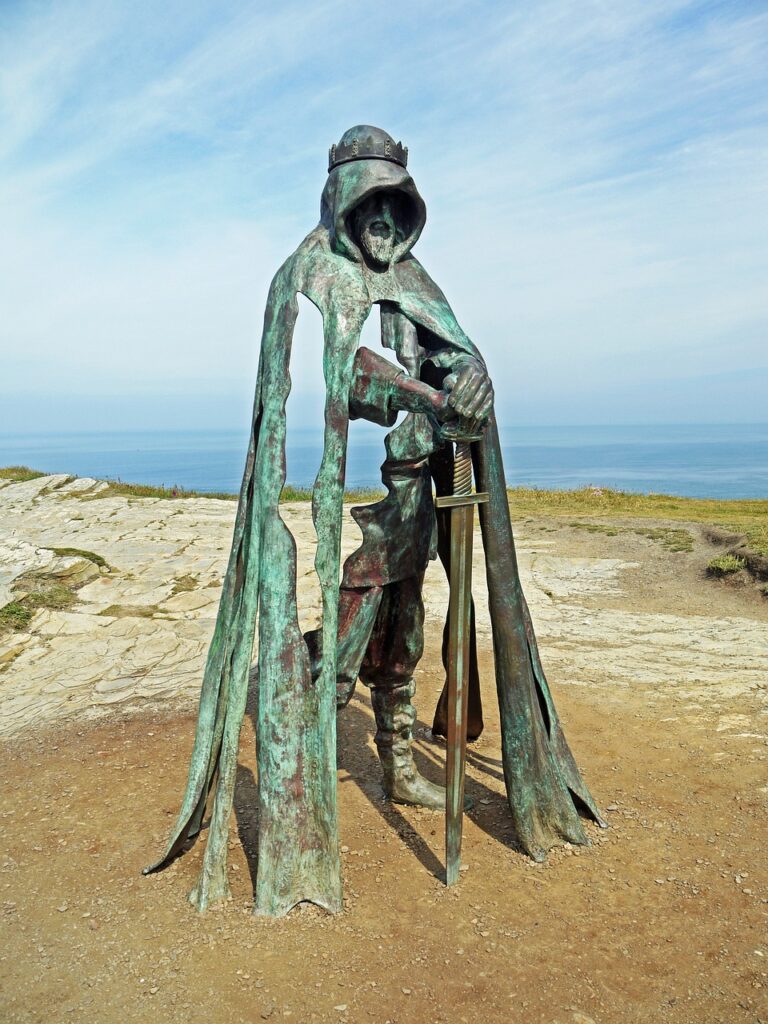
Metal, that cold and unyielding material, has always held a strange allure for humanity. Its resistance to our will, its potential for both destruction and creation, has captivated us for millennia. But perhaps nowhere is this fascination more evident than in the art of metal sculpting, where the rigid metal is coaxed, hammered, and shaped into breathtaking forms that sing silent songs of human ingenuity and imagination. Our journey through the history of metal sculptures begins in the fiery furnaces of the Bronze Age, where civilizations like the Sumerians and Egyptians mastered the art of casting molten bronze into exquisite statues and ritual objects. The “Dancing Girl” of Mohenjo-daro, with her graceful pose and intricate jewelry, stands as a testament to the early mastery of this technique. As time marched on, so did the techniques of metal sculpting. The Greeks, ever in pursuit of perfect form, pioneered the lost-wax casting method, allowing them to create life-size bronze figures of gods and heroes, such as the iconic “Charioteer of Delphi,” frozen in mid-gallop, a timeless embodiment of human ambition. The Middle Ages saw a shift in focus, with metal sculptures adorning not just public spaces but also religious structures. From the intricate wrought iron gates of cathedrals to the gilded reliquaries and devotional objects, metal became a language of faith and reverence. The Great Doors of Gniezno Cathedral, with their intricate scenes from the life of Christ, are a masterpiece of this era, where metal transcends its materiality to become a conduit of the divine. The Renaissance ushered in a renewed appreciation for the human form and classical ideals. Sculptors like Donatello and Michelangelo breathed life into bronze and marble, creating sculptures that were not just representations of bodies but vessels of emotions and narratives. Michelangelo’s “David,” standing proud and defiant, is a prime example of this era’s obsession with anatomical perfection and heroic grandeur. As centuries rolled by, so did the artistic landscape. Industrialization brought new materials and techniques, paving the way for bold experimentation. Iron, steel, and even found objects were incorporated into sculptures, challenging traditional notions of beauty and pushing the boundaries of form. Alexander Calder’s mobiles, with their playful balance and kinetic energy, redefined what a sculpture could be, while Auguste Rodin’s “The Thinker,” a study in human contemplation, captured the introspective spirit of a new age. Today, the world of metal sculpting is a vibrant tapestry of styles and trends. From the monumental stainless steel creations of Richard Serra to the delicate wire sculptures of Louise Bourgeois, artists continue to explore the endless possibilities of this versatile material. As technology advances, so to do the tools and techniques, allowing for even more imaginative expressions. The history of metal sculptures is a testament to the enduring human spirit, our endless quest to mold the unyielding into something beautiful, meaningful, and enduring. Each hammered mark, each welded seam, tells a story of skill, perseverance, and the desire to leave a mark on the world. So, the next time you encounter a metal sculpture, take a moment to appreciate its journey, from the fiery inferno to the artist’s vision, and marvel at the silent conversation it sparks between the cold metal and the beating heart of humanity.
From Soot to Soul: A Journey Through the Allure of Charcoal Art
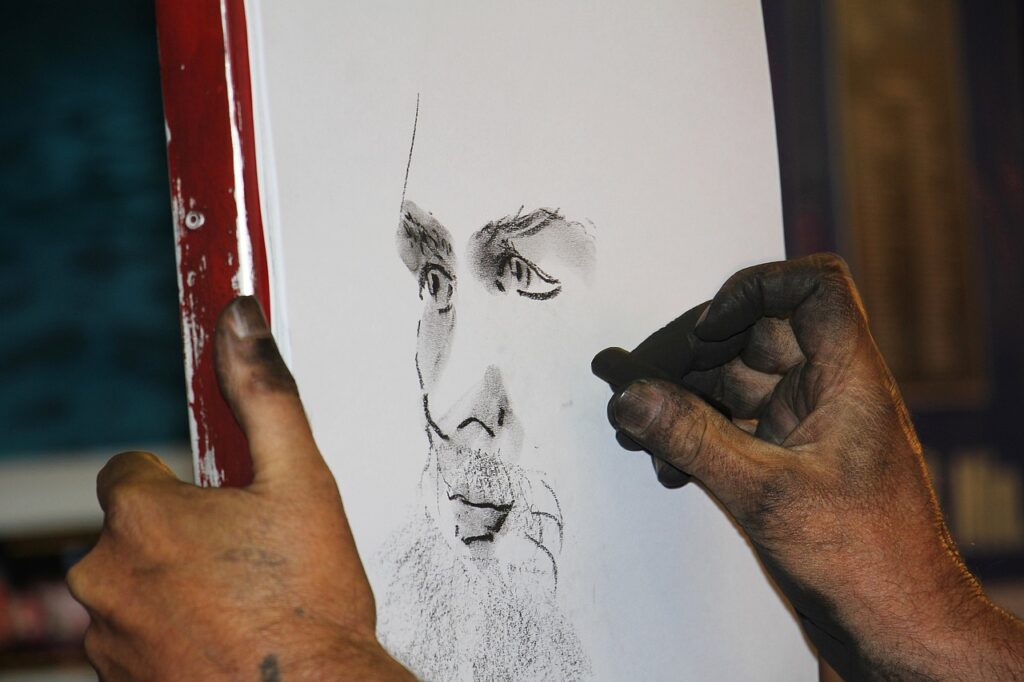
Charcoal, that humble whisper of fire, has captivated artists for millennia. Its rich, velvety blacks, its ability to smudge and dance with the slightest touch, have birthed masterpieces that speak of raw emotion, delicate beauty, and the enduring power of simplicity. Join us on a journey through the alluring world of charcoal art, where every stroke whispers a story and every shadow holds a secret. Our tale begins not in the studios of Renaissance masters, but in the flickering flames of prehistoric caves. Early humans, drawn to the potential of this elemental medium, used charcoal to create the first artistic expressions on stone. These primitive cave paintings, with their bold lines and haunting figures, stand as a testament to the timeless allure of charcoal’s primal energy. Fast forward to ancient Egypt, where skilled artists employed charcoal to adorn tombs and sarcophagi. The intricate portraits, capturing the essence of pharaohs and gods, showcase the versatility of charcoal for both realism and stylized representation. These early works laid the groundwork for the artistic traditions that would emerge in the centuries to come. The Renaissance witnessed a renewed interest in charcoal, primarily as a medium for preparatory sketches and underdrawings. However, artists like Leonardo da Vinci and Michelangelo occasionally embraced its expressive power in finished works. Da Vinci’s “Head of a Young Woman” is a study in delicate sfumato, where charcoal’s subtle gradations create an ethereal beauty. Across the English Channel, the Romantic era saw charcoal blossom into a vibrant artistic language. Artists like William Blake and Henry Fuseli used its bold strokes and expressive potential to capture the drama and emotion of their subjects. Blake’s “Satan and the Angel Fighting” is a whirlwind of charcoal fury, while Fuseli’s “The Nightmare” uses the medium’s inherent darkness to evoke a sense of unease and psychological depth. The 19th and 20th centuries solidified charcoal’s place as a modern art form. Impressionists like Edgar Degas and Mary Cassatt used its loose, gestural strokes to capture the fleeting moments of everyday life. Degas’ “Dancers” is a symphony of movement, while Cassatt’s “The Bath” is a tender study of motherhood, both imbued with the immediacy and energy of charcoal’s touch. Today, charcoal art continues to evolve, embracing new styles and techniques. From the hyperrealistic portraits of Chuck Close to the abstract landscapes of Anselm Kiefer, artists are pushing the boundaries of this ancient medium. Close’s “Self-Portrait I” is a mesmerizing study of human detail, while Kiefer’s “Teutonia” uses charcoal’s raw power to evoke historical and emotional depths. So, the next time you encounter a charcoal drawing, don’t simply see black lines on paper. Look closer, and you’ll discover the whispers of fire, the echoes of history, and the raw emotion that lies beneath the surface. Charcoal art, in its simplicity, is a testament to the enduring power of human expression, a reminder that sometimes, the most profound beauty can be found in the deepest shades of black. Let the charcoal whisper its secrets to you. Let it ignite your own artistic spark and embark on your own journey through this timeless medium. Remember, every stroke, every smudge, is a chance to create something truly unique, something that speaks your soul and leaves its mark on the world.
The Enchanting Era of Turkish Pottery Dug From Anatolian Earth
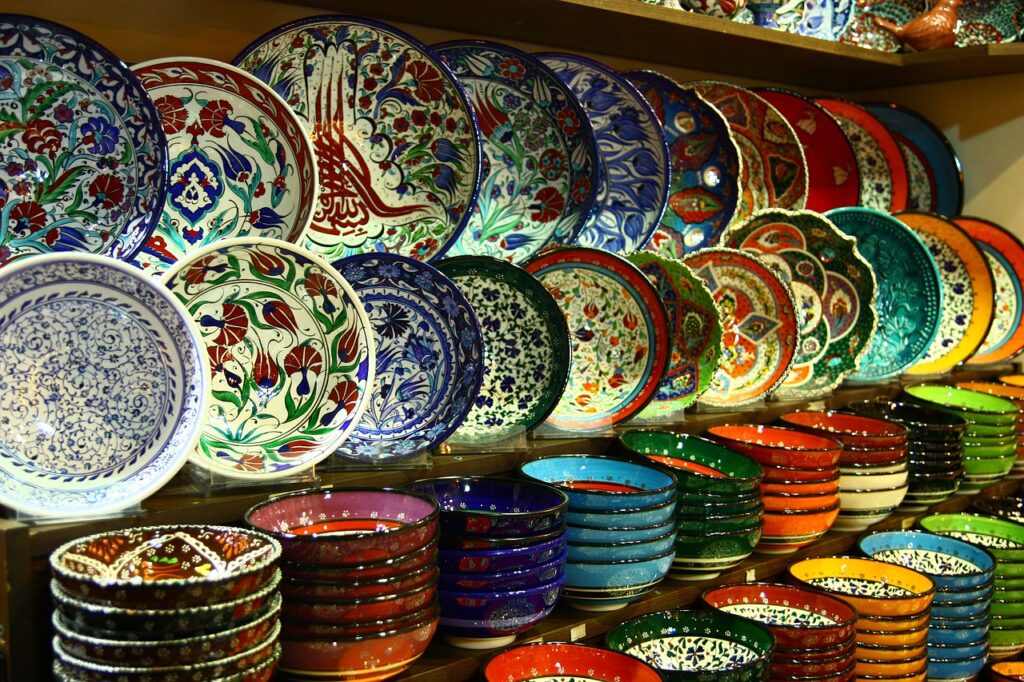
In the land where East meets West, where ancient whispers mingle with modern melodies, lies a realm where clay dances with fire, and beauty blooms from the earth’s embrace: Turkish pottery. Join us on a captivating journey through this timeless art form, where each brushstroke of glaze whispers tales of history, tradition, and an enduring love for handcrafted wonder. Our story begins not in gleaming showrooms, but in the sun-drenched villages of Anatolia. From the dawn of civilization, potters have coaxed magic from the earth, their hands whispering secrets from generation to generation. Hittite patterns dance on terracotta jars, echoing ancient rituals. Byzantine influences unfurl in swirling motifs, whispering tales of empires long past. The whispers of these early creations lay the foundation for the breathtaking artistry that would blossom in the centuries to come. Fast forward to the Ottoman era, and Turkish pottery explodes in a symphony of color and design. Iznik, the “pearl of ceramics,” takes center stage. Its cobalt blues, fiery reds, and emerald greens whisper of palace gardens and opulent sultans. Floral patterns intertwine with geometric precision, each stroke a love letter to Ottoman courtly aesthetics. Across the vast Ottoman realm, regional styles flourish, each whispering its own unique story. Kutahya’s vibrant underglaze paintings shimmer with tales of Anatolian folklore. Çanakkale’s sturdy redware speaks of fishermen’s hands and salty sea winds. Each piece, from the grandest ewers to the humblest bowls, bears the imprint of a cultural tapestry woven over centuries. But Turkish pottery is not a relic of the past. It flourishes in the hands of contemporary artists, who breathe new life into ancient traditions. Masters like Arif Kırımlı reinterpret classical motifs with modern sensibilities, their brushstrokes whispering of a dynamic art form that refuses to be confined by history. Innovative designs and unconventional materials find their way onto the clay canvas, proving that Turkish pottery is a living conversation between past and present. The enduring allure of Turkish pottery lies in its inherent magic. Each piece is a conversation between earth and fire, whispering tales of the potter’s passion, the kiln’s embrace, and the dance of glaze and pigment. It is a tangible connection to history, a portal to the vibrant cultures that have shaped Anatolia over millennia. But beyond its historical significance, Turkish pottery speaks to the universal human desire for beauty and the comfort of handcrafted objects. A hand-painted bowl whispers of shared meals and family laughter. A decorative tile on a wall sings of ancient melodies and sun-drenched courtyards. Each piece invites us to slow down, to appreciate the tactile beauty of clay, and to connect with the artisan’s soul through the whispers of their brushstrokes. So, the next time you encounter a piece of Turkish pottery, don’t simply admire its beauty. Let your fingertips trace the contours, feel the sun-warmed clay, and listen to the whispers of history and artistry it sings. Remember, Turkish pottery is not just an object; it is a window into a vibrant culture, a testament to human creativity, and a reminder that beauty can blossom from the simplest of materials. And perhaps, in the glow of these handcrafted wonders, you’ll find yourself inspired to add your own chapter to this timeless story, crafting objects that whisper their own unique tales of creativity and connection. Let the clay sing, let the glaze dance, and let the whispers of Turkish pottery lead you on a journey of artistic enchantment.
Sunflowers in the Land of Eagles, Van Gogh’s American Exhibitions
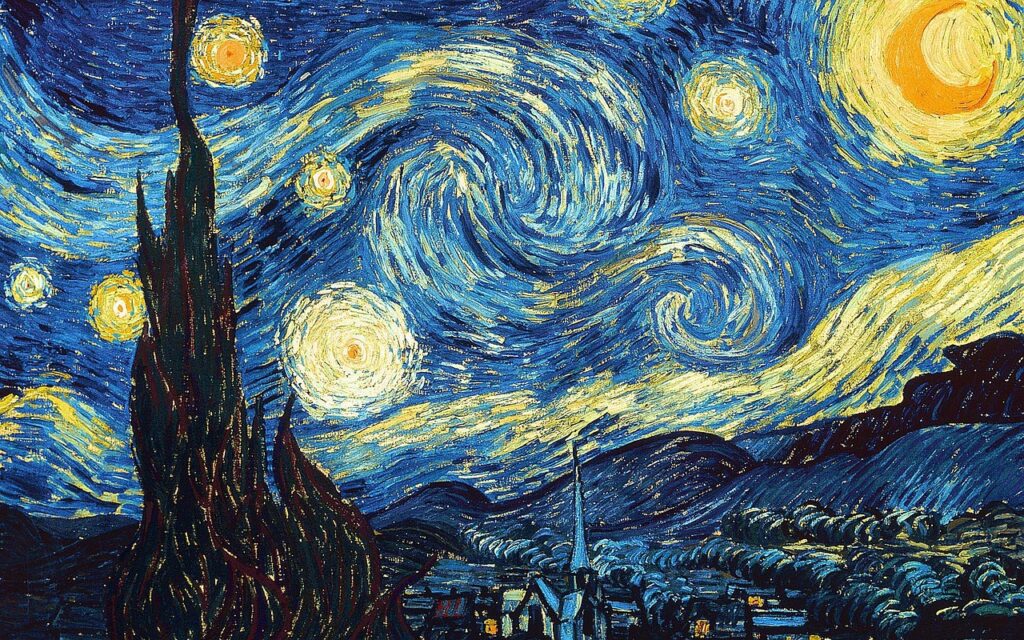
Imagine a world swirling with vibrant hues, where stars dance on canvases and sunflowers radiate a golden glow. This, dear reader, is the world of Vincent van Gogh, and in 2023, it swept across the United States in a series of exhibitions that captivated audiences and reignited the flame of his artistic genius. Join us on a journey through these immersive experiences, where brushstrokes whisper tales of a troubled soul and bold colors sing of a relentless passion for life. Our story begins not in grand museums, but in the heart of the American Midwest. Detroit’s Institute of Arts, the first public museum in the US to acquire a Van Gogh, hosted “Van Gogh in America,” a monumental exhibition showcasing 74 authentic works. Stepping into the gallery was akin to stepping into a Van Gogh painting itself. The walls vibrated with the swirling brushwork of his iconic landscapes, the familiar faces of his portraits seemed to gaze back with knowing eyes, and the sunflowers, those golden symbols of hope and resilience, stood tall and proud, their petals echoing the vastness of the American plains. But “Van Gogh in America” was not just a retrospective. It was a conversation, a dialogue between the artist and the American spirit. The exhibition explored how Van Gogh’s work resonated with American audiences, from the early fascination of artists like Mary Cassatt to the profound impact he had on Abstract Expressionists like Jackson Pollock. Each brushstroke whispered of a shared yearning for individuality, a rebellion against artistic conventions, and a relentless pursuit of beauty amidst the shadows of life. Across the country, other exhibitions echoed this theme. The Museum of Fine Arts in Houston, Texas, brought together masterpieces from the Pearlman Foundation, showcasing Van Gogh’s fascination with nature and his unique ability to transform everyday objects into vessels of poetic expression. In Chicago, the Art Institute delved into the artist’s relationship with his brother Theo, their letters whispering tales of support and artistic camaraderie, reminding us that even in the midst of personal struggles, creativity can find a way to bloom. But the Van Gogh exhibitions weren’t confined to traditional museums. Immersive experiences, like “Van Gogh: The Immersive Experience,” took audiences on a journey through the artist’s life and work, using projections and virtual reality to create a multi-sensory feast for the senses. Sunflowers danced across walls, brushstrokes swirled around visitors, and the artist’s words echoed through the air, weaving a tapestry of light and sound that brought Van Gogh’s world to life in a way that static paintings never could. The impact of these exhibitions extended far beyond the gallery walls. Social media buzzed with photos and videos, sparking conversations about mental health, artistic expression, and the enduring power of beauty. Van Gogh’s brushstrokes became a rallying cry for creativity, a reminder that even in the darkest of times, a spark of color can ignite a revolution. So, the next time you encounter a Van Gogh painting, remember the whispers of the American exhibitions. Remember the sun-drenched sunflowers standing tall against the backdrop of urban landscapes, the swirling brushstrokes echoing the vastness of the prairies, and the artist’s voice, carried across the ocean, reminding us that beauty can bloom even in the most unexpected places. Let his colors inspire your own artistic journey, let his passion fuel your own creative fire, and let the whispers of Van Gogh guide you on a path where imagination knows no bounds. For in the end, that is the true legacy of these American exhibitions: they weren’t just about showcasing art; they were about reminding us that art is a language, a conversation that transcends borders and speaks to the soul in a language of color, light, and emotion. And in that conversation, Van Gogh’s brushstrokes whisper an invitation: join me, dance with me, and let your own colors shine.
A Whimsical Waltz Through the NFT Universe
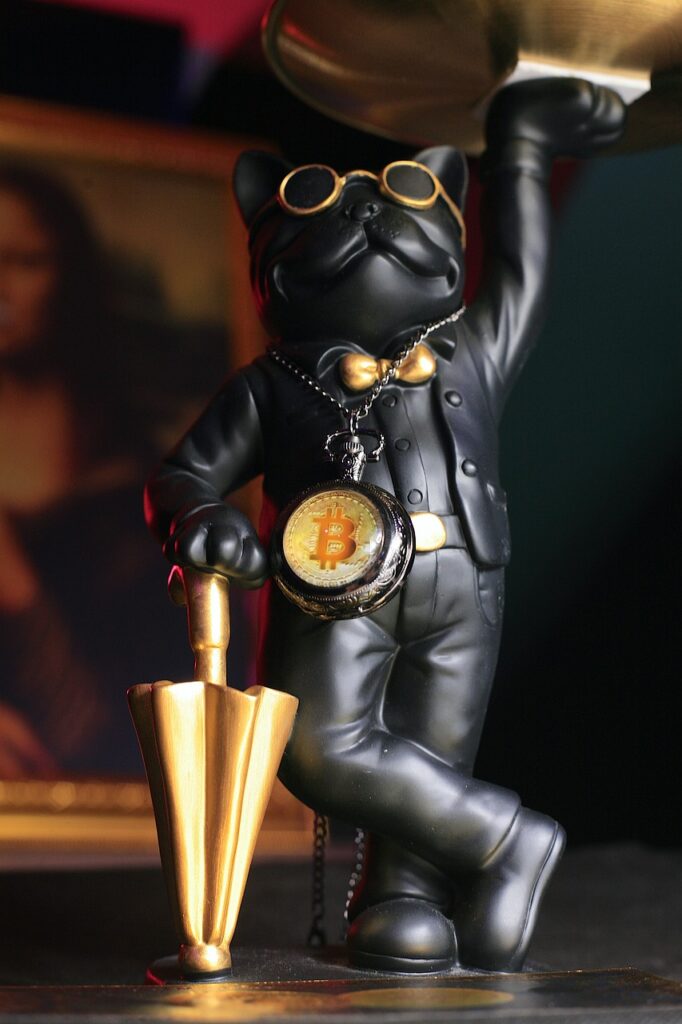
In the vibrant marketplace of human ingenuity, a new currency whispers promises of ownership and revolution: the Non-Fungible Token (NFT). Born from the ether of blockchain technology, it paints a mesmerizing picture of digital scarcity in a world awash with abundance. Join us on a whimsical journey through the history of NFTs, exploring their enigmatic origins, burgeoning popularity, and the captivating brushstrokes that paint their future. Our tale begins not in bustling auction houses, but in the hushed whispers of tech forums and crypto circles. Around 2014, artists like Kevin McCoy and Anil Dash began experimenting with blockchain technology, seeking to create unique digital tokens proving ownership of their online creations. These early NFTs, like McCoy’s iconic “Quantum,” were more pixelated whispers than dazzling masterpieces, yet they laid the foundation for a revolution in how we value and interact with digital art. Fast forward to the mid-2010s, and the NFT canvas explodes with color. Platforms like CryptoPunks and CryptoKitties burst onto the scene, offering collections of quirky, pixelated characters, each one unique and immutably owned. The art world takes notice, with digital artists like Beeple and Pak finding their works fetching millions in online auctions. NFTs, once a niche curiosity, become a global phenomenon, their digital brushstrokes whispering of a new art market, unbound by the constraints of physical galleries and traditional forms. But what fuels the captivating allure of NFTs? Their value lies not just in their scarcity, but in the possibilities they unlock. They empower artists to monetize their digital creations directly, cutting out intermediaries and fostering a vibrant, artist-centric ecosystem. For collectors, they offer a new domain for patronage, a chance to own a piece of the digital future, and a community of like-minded enthusiasts connected by the invisible threads of shared ownership. Furthermore, NFTs transcend the confines of static images. They become portals to interactive experiences, dynamic artworks that evolve over time, and even virtual land in burgeoning metaverses. Imagine owning a digital artwork that responds to your emotions, a character in a virtual world you co-create with other owners, or a piece of history embedded in the blockchain, its ownership story etched in digital stone. This is the captivating landscape that NFTs paint, whispering of a future where art and technology dance in harmonious collaboration. Of course, not all brushstrokes are masterpieces. As with any nascent technology, challenges abound. Concerns about environmental impact, market volatility, and potential scams swirl around the NFT marketplace. Yet, amidst these whispers of doubt, a vibrant community of artists, collectors, and developers continues to paint a brighter future. Educational initiatives, sustainable blockchain solutions, and ethical marketplaces are emerging, guiding the NFT revolution towards a more responsible and inclusive vision. So, the next time you encounter an NFT, don’t simply dismiss it as a digital fad. Let the possibilities dance in your mind, hear the whispers of a new frontier for art and ownership. Remember, NFTs are not just collectible tokens; they are brushstrokes in a larger narrative, a story of human creativity pushing the boundaries of technology and redefining the very concept of value in the digital age. And perhaps, in the glow of these pixelated deeds, you’ll find yourself inspired to pick up your own digital brush and add your own verse to this captivating saga. The art market is undergoing a seismic shift, and NFTs are leading the charge. Embrace the vibrant strokes of this digital renaissance, listen to the whispers of possibility, and let your imagination paint the future of art and ownership in this brave new world.
Digital Art’s Emergence and Enduring Allure

In the swirling nebula of human creativity, a new star has ignited: digital art. Born from the marriage of technology and imagination, it pulsates with a vibrant energy, pushing the boundaries of artistic expression and captivating audiences with its boundless possibilities. Join us on a cosmic journey through the history of this ever-evolving art form, from its pixelated beginnings to its dazzling present, and ponder the secrets behind its meteoric rise to artistic prominence. Our tale begins not in sleek studios, but in the flickering glow of early computer screens. The 1960s and 70s saw pioneers like Lillian Schwartz and Harold Cohen experimenting with rudimentary software, coaxing rudimentary shapes and patterns from the nascent digital canvas. These early brushstrokes, though basic, whispered of a future where technology would become an artistic tool, a paintbrush dipped in pixels rather than pigment. Fast forward to the 1980s and 90s, and the pixelated palette explodes. Personal computers become accessible, birthing software giants like Adobe Photoshop and propelling digital art into the mainstream. Artists like David Hockney and Jeff Koons embrace the new medium, their works blurring the lines between traditional and digital, each pixel whispering of the revolutionary potential within. The dawn of the 21st century unleashed a digital deluge. The internet becomes the ultimate gallery, showcasing the works of countless artists in a global, democratized platform. Social media becomes the town square, fostering vibrant communities and igniting passionate conversations about the merits and impact of digital art. From the hyperrealism of CG imagery to the playful whimsy of pixel art, the breadth of styles and techniques expands, each stroke whispering a unique artistic vision. But why has digital art captivated audiences and challenged artistic conventions? Its allure lies in its inherent magic. It grants artists unheard-of control, allowing them to sculpt worlds from scratch, manipulate reality with a click, and experiment with colors and textures beyond the constraints of physical materials. It democratizes art, breaking down barriers to entry and empowering anyone with a digital brush to unleash their creativity. Furthermore, digital art speaks to the language of our times. In a world saturated with screens and pixels, it becomes a native tongue, resonating with a generation raised on digital aesthetics and immersive experiences. Its fluidity and interactivity mirror the ever-evolving digital landscape, its adaptability whispering of a future where art and technology are inextricably intertwined. But the rise of digital art is not without its challenges. Critics may argue that it lacks the soul and texture of traditional mediums, or that its inherent reproducibility diminishes its value. Yet, these arguments miss the point. Digital art is not a replacement for traditional forms; it is a new language, a new brush in the vast artist’s toolkit. Its value lies not in its physicality, but in its boundless potential to express, to captivate, and to challenge our very understanding of what art can be. So, the next time you encounter a dazzling digital artwork, don’t simply scroll past. Let the pixels dance in your eyes, let the algorithms whisper their stories, and allow yourself to be transported to the cutting edge of human creativity. Remember, digital art is more than just a trend; it is a revolution, a testament to the ever-evolving human spirit and its insatiable desire to create. And perhaps, in the glow of these digital brushstrokes, you’ll find yourself inspired to pick up your own digital palette and add your own verse to this ever-unfolding symphony of creativity. The future of art is a luminous canvas, and digital art is poised to paint a masterpiece. Let’s embrace its vibrant strokes, listen to its pixelated whispers, and celebrate the dawn of a new era in artistic expression.
