
MADEACSI Turns Furniture Into Art for People Who Refuse Ordinary Spaces

Miami-based studio creates bespoke furniture where design meets individuality and every piece is crafted as a personal artwork. MADEACSI is redefining the relationship between furniture and art with one-of-a-kind pieces that are as expressive as a painting and as functional as everyday design. Guided by the motto “Where design meets individuality,” the studio invites clients to experience furniture as a direct extension of their identity rather than a generic object pulled from a catalog. Headquartered in Miami, Florida, MADEACSI is a U.S.-based company strategically positioned in one of the country’s most vibrant hubs for design, culture, and luxury living. The company is in the process of hiring personnel in the United States to support its growth, local production, and client services, underscoring its longterm commitment to building operations and creating jobs in the American market under the leadership of founder and owner Fabrizio Vitali. Built around a philosophy of personalized artistry, MADEACSI uses its own design language as a flexible framework that can be tuned to different lifestyles, spaces, and tastes. Rather than imposing a single, rigid look, the studio treats each commission as a dialogue, aiming for results that feel both recognizably MADEACSI and unmistakably personal to the client. The studio’s Standard Collection showcases projects based on designs and styles personally created by the team, giving an accurate idea of the reality and quality of their work. The pieces shown in the gallery are not limited by the colors and materials presented; they serve as a starting point. Clients can discuss modifications, finishes, and other customizable options during an included consultation, turning each model into a unique, site-specific artwork. Alongside this, the Wine Collection explores furniture as atmosphere, focusing on how a single piece can transform a room’s mood and character. Using form, material, and tone the way an artist uses composition and color, MADEACSI designs pieces intended to anchor a space — creating warmth, intimacy, or drama, depending on the context and the client’s vision. At the core of MADEACSI’s practice is a strong commitment to artisanal craftsmanship. Each piece is crafted with careful attention to structure, joinery, finishing, and tactile detail, ensuring that visual impact is matched by durability and comfort in everyday use. This focus on skilled making positions MADEACSI within a growing movement that sees furniture as both functional design and collectible art. MADEACSI’s process begins with a consultation that aims to understand the client’s style, space, and needs. From there, the studio proposes configurations, palettes, and materials that align with both the physical environment and the story the client wants to tell through their interior. The goal is not simply to fill a room, but to create focal points that inspire daily and reshape how the space is experienced. “Your home should look like you, not like a showroom,” says founder Fabrizio Vitali. “Our role is to translate personality into form — combining artisanal craftsmanship with a bold visual language so every piece feels personal, intentional, and memorable.” Each MADEACSI object is conceived as a lasting presence in a room, not just another decorative accessory. In an era of copy-and-paste interiors and mass-produced décor, MADEACSI offers an alternative for collectors, design lovers, and culture-driven homeowners who see furniture as another canvas for self-expression. The studio’s work fits as comfortably in a design-forward home as it does in the pages of a contemporary art and design magazine. For more information, to explore the Standard and Wine Collections, or to start a custom project, visit https://www.madeacsi.fatacsi.com/.
Marko Guglielmi Reimmortal and His Visionary Geosound Project

Listening to the Memory of Sacred Places For more than four decades, multidisciplinary artist and sound designer Marko Guglielmi Reimmortal has pursued the idea that certain landscapes do not merely exist in space, but resonate as living acoustic organisms. His “Geosound Project” treats sacred sites not as picturesque backdrops or coordinates on a map, but as living archives that store a unique vibrational imprint – a sonic memory slowly being erased by modernity. A crucial driving force behind the Geosound Project is the artistic trajectory of its creator, Marko Guglielmi Reimmortal, a visionary sound designer, visual artist and performer whose career has long moved at the intersection of experimental music, large-scale installation and advanced audio technology. He dedicates his works on the connections between sound and vision, he has founded studios, led experimental music projects, composed for film and performance, and developed immersive environments in which sound becomes a structural material as concrete as steel or stone. His large conceptual installations have been exhibited on major international stages – including the Venice Biennale and contexts linked to Art Basel Miami – and have earned him awards such as the “Lorenzo il Magnifico” prize for installation at the Florence Biennale, reinforcing his reputation as an internationally recognized and award-winning artistic director capable of orchestrating complex, multidisciplinary projects that speak to both specialized audiences and the broader public. The project’s first decisive turning point came after an initiatory journey with a Sioux medicine man to Bear Butte, the sacred mountain in South Dakota where Native communities have sought visions for generations. There, Guglielmi Reimmortal understood that recording a sacred place is not a neutral technical act but a ceremony. Before a microphone is unpacked, permission must be asked twice: from the human custodians of the place, and from the land itself. A Hidden Architecture of Sound Sacred spaces around the world often share a striking property: they sound different. A canyon revered by the Navajo answers to the wind with its own inner geometry, shaping echoes that have been sculpted over millennia. Natural caves used as temples transform a single human voice into a complex cloud of resonances, amplifying specific frequencies that can propel listeners into altered states of awareness. In Amazonian sacred forests, overlapping strata of vegetation compose an intricate acoustic cathedral, where insects, birds, leaves and distant water weave a polyphonic soundscape. Modern acoustic research is beginning to describe, in the language of physics and neurology, what Indigenous cultures and ancient builders have long intuited. Studies in archeo-acoustics show that many megalithic sites were not only aligned with celestial events but also tuned to particular frequencies. The hypogeum of ĦalSaflieni in Malta, for instance, emphasizes frequencies around 110 Hz – a band contemporary neuroscience associates with specific changes in brain activity and meditative states. Ancient architects may not have had digital analyzers, yet they clearly possessed a sophisticated empirical understanding of how shape, stone and air interact to influence human consciousness. A Crisis You Can Hear, But Rarely See This delicate relationship between sound, space and psyche is under unprecedented pressure. Unregulated mass tourism, accelerated urbanization, noise pollution and climate change are all reshaping the soundscapes of sacred environments faster than they can be understood. A sanctuary that once resonated with endemic bird calls now reverberates with engines and loudspeakers. A cave whose deep silence once allowed visitors to hear their own heartbeats amplified is invaded by generators and ventilation systems. Forest temples, once protected by a continuous acoustic veil of foliage, are fractured by new roads and the distant hum of traffic. The loss is not limited to “pleasant” natural sounds. What is disappearing is a complete system of relationships: how human rituals, environmental rhythms and architectural forms once co-created specific sonic conditions that supported spiritual technologies refined over centuries. When those conditions crumble, entire ways of relating to the land and to collective memory disappear with them. From Field Ritual to Vibrational Archive The Geosound Project by Marko Guglielmi Reimmortal positions itself as a response to this silent crisis. Its ambition is to document, with both technical precision and cultural sensitivity, the sonic fingerprints of sacred sites across the globe before they are irrevocably altered. Using advanced, often custom-designed recording chains, the project captures not only the audible spectrum but also the wider frequency bands that give each place its distinctive acoustic identity. The methodology borrows from cinema, music production, science and ritual. Three dimensional, holophonic recordings reproduce the experience of presence within a site, while spectral analysis reveals how specific frequencies are amplified, damped or modulated by the space. Detailed resonance maps trace how sound moves through chambers, corridors, groves and rock formations. The result is not a simple collection of field recordings but a growing digital atlas of vibrational signatures – a kind of “sonic DNA” for each location. What sets this project apart is the insistence that every recording session begins long before any equipment is switched on. Each mission is built around dialogue with Indigenous and local communities, especially those who maintain ceremonial relationships with the site. Protocols vary from place to place, but the principle is constant: no microphone enters a sacred space without the consent and guidance of its human guardians. Rituals, offerings and shared time on the land are treated not as picturesque accessories but as essential conditions for capturing an authentic vibrational portrait. Reciprocity With the Custodians of Place In an era when extractive approaches to culture are increasingly challenged, the Geosound Project openly rejects the model of the solitary researcher arriving, collecting data and disappearing. The work is framed as an exchange. Communities share access to their sacred places and their knowledge; in return, they receive tailored documentation that can support cultural continuity, education and even future protection efforts. These materials can take different forms: high-resolution audio archives for local cultural centers, listening experiences designed for schools, or technical dossiers that help articulate why a specific site’s acoustic integrity deserves protection. By weaving together physics, anthropology, Indigenous epistemologies
Art Review: Yahaya Yisa’s “Unveiled Identity” Balances Beauty and Defiance
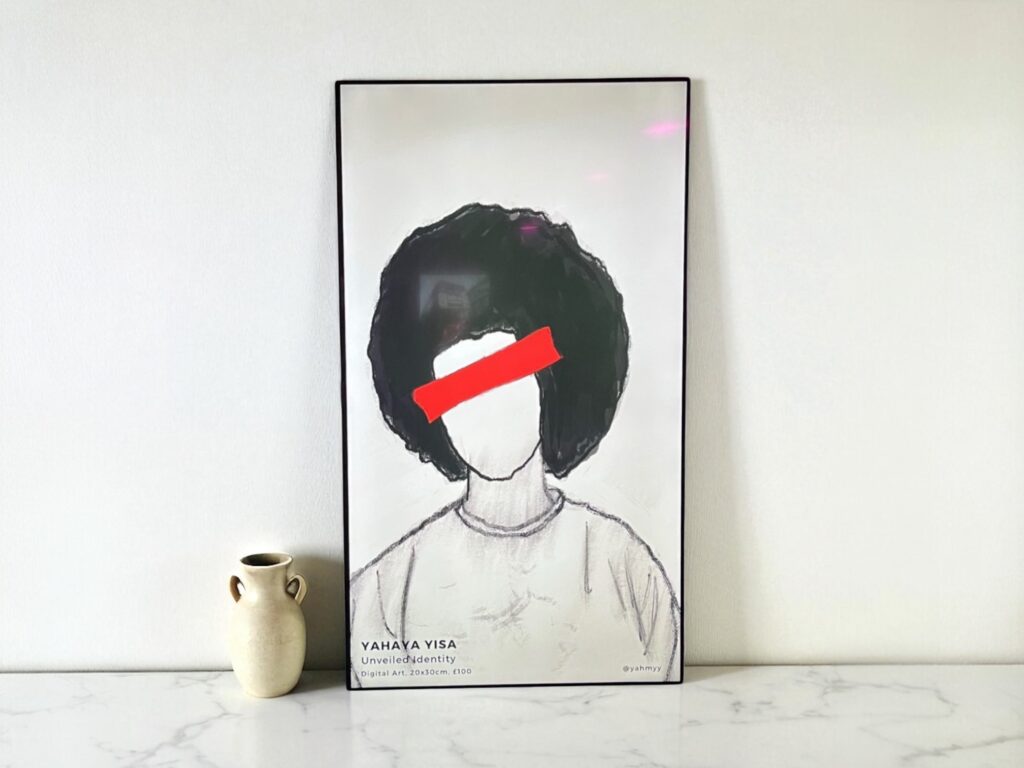
In Unveiled Identity (2023), artist Yahaya Yisa delivers a striking meditation on what it means to be seen and what it costs to be authentic. The piece is minimalist in form yet dense with meaning, using only a few key elements to evoke a deep sense of tension between freedom and constraint. At the center of the composition stands a single figure, distinguished by a proud, voluminous Afro that serves as a visual homage to natural beauty, ancestry, and resistance. Against a muted background, the Afro becomes more than a hairstyle; it becomes a halo, a crown, a statement of self-definition in a world that often dictates how identity should be presented. Cutting sharply across this image, however, is a red bar, simple in shape but loaded with symbolism. It conceals the figure’s eyes or mouth, a deliberate act of erasure that interrupts communication and visibility. The color choice is no accident: red evokes both passion and suppression, danger and vitality. Yisa uses it to mark the intersection where culture, self-expression, and censorship collide. What makes Unveiled Identity so compelling is its balance of restraint and emotion. The composition is sparse, yet every line feels intentional. The contrast between the textured richness of the Afro and the flat rigidity of the red bar captures the push and pull between individuality and the systems that seek to define it. The piece suggests that even in moments of suppression, there remains a quiet defiance, a refusal to be fully silenced. Yisa’s visual language is contemporary but deeply rooted in cultural consciousness. His work continues a lineage of artists who explore the politics of visibility, from postcolonial portraiture to Afrofuturist aesthetics, yet his tone remains intimate and personal. The figure in Unveiled Identity is not just symbolic; it feels lived in, as though drawn from the artist’s own reflection or the shared experience of a generation negotiating selfhood in the digital and social gaze. The artwork’s power lies in its duality. It celebrates identity while acknowledging the barriers that still surround it. It is both a declaration and a question, both unveiled and obscured. The viewer is left to wonder: how much of ourselves do we show, and how much do we conceal to survive? With Unveiled Identity, Yahaya Yisa affirms his growing reputation as a voice unafraid to engage with the contradictions of modern identity. In its simplicity, the piece speaks volumes about heritage, courage, and the ongoing struggle to exist on one’s own terms.
A Journey Through Classic New York Architecture
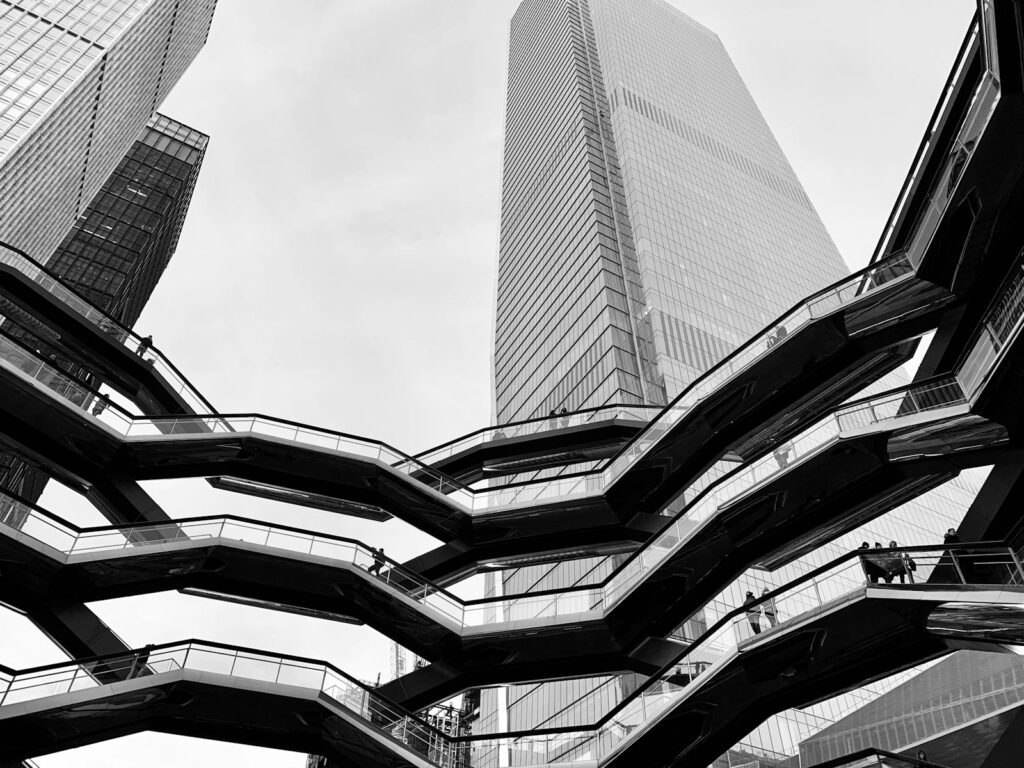
Concrete Cathedrals and Gilded Giants Known around the world for its stunning views and history, New York architecture is a real-life example of unwavering resilience. New York’s skyline, a jagged tapestry of steel and stone, tells a story of ambition and innovation. From the Gilded Age grandeur to the Art Deco heights, classic New York architecture is a testament to the city’s enduring spirit. The late 19th and early 20th centuries, a period of unprecedented economic growth, saw the rise of the Beaux-Arts style, a movement that brought European elegance to the burgeoning metropolis. Buildings like the Grand Central Terminal, with its celestial ceiling and monumental facade, epitomize this era. Its harmonious blend of classical elements and functional design transformed a transportation hub into an architectural masterpiece. The New York Public Library’s Stephen A. Schwarzman Building, another Beaux-Arts gem, showcases the style’s emphasis on symmetry, ornamentation, and civic grandeur. Its iconic lion sentinels and grand marble halls reflect the city’s commitment to knowledge and culture. Simultaneously, the quest for vertical expansion led to the development of the skyscraper, a uniquely American architectural form. The Woolworth Building, once the tallest building in the world, stands as a Gothic Revival skyscraper, its intricate terra-cotta details and soaring spire a testament to early skyscraper ingenuity. Its ornate lobby, adorned with mosaics and sculptures, reflects the opulence of the era. The Art Deco movement, with its sleek lines and geometric patterns, further transformed the city’s skyline in the 1920s and 30s. The Chrysler Building, an Art Deco masterpiece, is a shining example of this style. Its stainless steel crown, with its radiating sunburst pattern, is an iconic symbol of New York’s ambition and dynamism. The Empire State Building, another Art Deco marvel, rose to become the world’s tallest building, its streamlined facade and soaring height embodying the city’s relentless drive for progress. Its observation deck, offering panoramic views of the city, has become a quintessential New York experience. Beyond these iconic skyscrapers, classic New York architecture extends to the residential and commercial buildings that line the city’s streets. The brownstone townhouses of Brooklyn and the Upper West Side, with their elegant facades and intricate details, reflect the city’s rich history and diverse communities. These buildings, often preserved and restored, offer a glimpse into the city’s past, providing a sense of continuity and character. The architectural legacy of New York is not limited to its grand structures. It extends to the city’s parks, bridges, and infrastructure, all of which contribute to its unique character. The Brooklyn Bridge, an engineering marvel of the 19th century, with its Gothic arches and steel cables, is a symbol of the city’s ambition and ingenuity. Central Park, a carefully designed urban oasis, provides a green respite from the city’s hustle and bustle, showcasing the importance of public spaces in urban life. Preserving classic New York architecture is an ongoing effort, balancing the need for modernization with the desire to maintain the city’s historical character. Landmark preservation laws and community initiatives play a crucial role in protecting these architectural treasures for future generations. These buildings, with their intricate details and rich histories, serve as reminders of the city’s past, offering a tangible connection to the people and events that shaped its present. Classic New York architecture is more than just a collection of buildings; it is a living history, a testament to the city’s enduring spirit and its relentless pursuit of progress. It is a reminder that even in the face of constant change, the city’s architectural legacy remains a vital part of its identity, a source of inspiration and pride for New Yorkers and visitors alike.
Monument to Victory: The Enduring Allure of the Arc de Triomphe
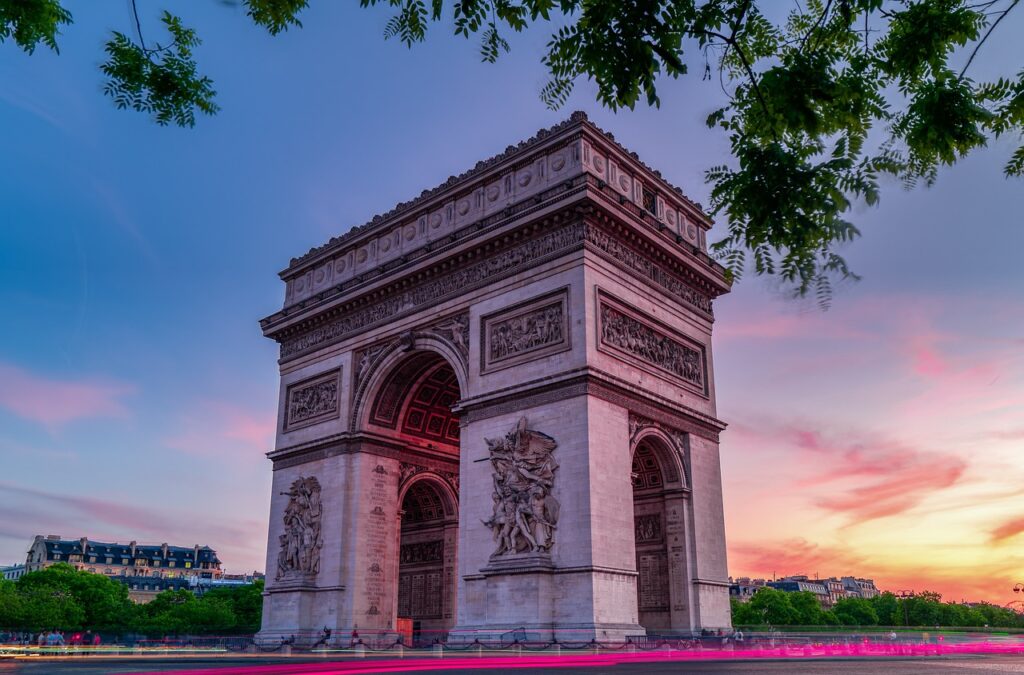
Paris, a city renowned for its romantic charm and artistic allure, whispers tales of grandeur on every cobbled street. But none speaks with such monumental eloquence as the Arc de Triomphe, an architectural sentinel standing at the heart of the city, its triumphal arch a silent hymn to victory and human ambition. Join us on a journey through the history and artistry of this iconic structure, a canvas etched with battles won, artistic vision, and the enduring power of stone to capture the human spirit. Our tale begins not in the bustling Parisian streets, but in the fiery embers of Napoleon’s ambition. In 1806, fresh from the victory at Austerlitz, the emperor decreed the construction of an arch to “commemorate the victories of the French armies.” He envisioned a monument that would rival the great arches of ancient Rome, a symbol of French power and an inspiration for generations to come. Architect Jean Chalgrin, chosen to breathe life into Napoleon’s vision, turned to the ancient world for inspiration. The Arc de Triomphe echoes the triumphal arches of Rome, particularly the Arch of Constantine, with its imposing scale and intricate friezes. Its massive proportions – 50 meters high, 45 meters wide, and 22 meters deep – were designed to awe and overwhelm, a tangible expression of imperial might. But the Arc de Triomphe is more than just a Roman echo. Its four sculpted piers soar with intricate friezes depicting scenes of French military triumphs: Napoleon’s departure for the battle of Austerlitz, the return of the victorious troops, and the funerals of heroes fallen in battle. These reliefs, carved by some of the leading sculptors of the day, are not just historical records; they are vibrant narratives, stirring tales of valor and sacrifice etched in stone. “The friezes of the Arc de Triomphe are testaments to the power of art to immortalize historical moments,” says Dr. Marie Durand, art historian and curator at the Musée du Louvre. “They transcend mere documentation and become emotional journeys, immersing the viewer in the drama and pathos of these pivotal events.” Above the friezes, atop the arch, stands a bronze chariot drawn by four horses, a replica of the Quadriga of Saint Mark from Venice. This crowning glory, originally seized by Napoleon as a spoil of war, was later returned to Italy, but its powerful image remains embedded in the story of the monument. The Arc de Triomphe has witnessed more than just military triumphs. Throughout its history, it has served as a backdrop for revolutions, protests, and celebrations. It has seen the passing of emperors and presidents, the rise and fall of empires, and the ever-changing tides of Parisian life. It has become a symbol not just of victory, but of resilience, a testament to the enduring spirit of the French people. “The Arc de Triomphe is more than just a monument; it is a stage upon which the story of Paris unfolds,” says Professor Jacques Leroy, historian and expert on Parisian architecture. “It stands as a witness to the city’s triumphs and struggles, a silent observer of its joys and sorrows. It is a reminder that history is ever-present, shaping the city’s identity and inspiring future generations.” Today, the Arc de Triomphe continues to captivate with its architectural grandeur and historical significance. Visitors from around the world climb its 286 steps, drawn not just by the panoramic views of Paris, but by the whispers of history that echo within its very stones. It is a monument that inspires awe, stirs imagination, and reminds us of the enduring power of human ambition and the transformative beauty of art. So, the next time you stand beneath the grand arch of the Arc de Triomphe, let its stories wash over you. Feel the whispers of victory and defeat, the echoes of celebration and revolution. Let its intricate carvings spark your imagination, and remember, this is not just a monument; it is a conversation starter, a timeless dialogue between history, art, and the indomitable human spirit.
Dubai’s Architectural Dreamscapes: Where Daring Designs Dance with Innovation

Dubai, a city that seemingly rises from the desert like a shimmering mirage, has captivated the world not just with its opulent wealth and extravagant lifestyle, but also with its architectural audacity. Here, towering structures defy gravity, futuristic curves pierce the sky, and sustainable solutions whisper tales of a harmonious future. Join us on a journey through this urban wonderland, where architectural buildings morph into living sculptures, each one a testament to human ingenuity and artistic vision. Our adventure begins not with glass and steel, but with the whisper of desert winds. Traditional wind towers, known as “barajeels,” have graced this land for centuries, their intricate latticework catching the breeze and channeling cool air into homes below. These ancient structures, an ingenious blend of practicality and beauty, stand as a testament to the region’s deep-rooted understanding of environmental harmony. Fast forward to the 20th century, and Dubai’s skyline began to sprout its first modern marvels. The Burj Khalifa, a needle piercing the clouds, remains the undisputed king of this urban jungle. Its sleek, minimalist form, inspired by the desert flower Hymenocallis, symbolizes the city’s ambitious spirit and unwavering quest for the extraordinary. But Dubai’s architects refuse to be confined by simple verticality. Buildings like the Burj Al Arab, a sail-shaped silhouette dancing atop the waves, and the Twisting Tower, a mesmerizing helix defying gravity, showcase the city’s penchant for the bold and unconventional. These architectural feats, pushing the boundaries of engineering and design, are expressions not just of ambition, but also of artistic experimentation and a playful reimagining of urban landscapes. Beyond the glitz and glamour, Dubai’s architects are weaving tales of sustainability into the very fabric of their creations. The Museum of the Future, with its flowing, organic form clad in 3D-printed stainless steel panels, is a beacon of eco-conscious innovation. Its self-powered design, utilizing solar energy and rainwater harvesting, whispers of a future where architectural beauty and environmental responsibility go hand in hand. Sustainability takes on a different form in the Al Bahr Towers. These twin structures, inspired by the seahorse, feature a complex system of wind turbines and louvers that optimize airflow and reduce energy consumption. Their shimmering facades, mimicking the iridescent scales of their namesake, serve as a reminder that beauty and functionality can be beautifully intertwined. The architectural tapestry of Dubai is not just woven with steel and glass; it is infused with the diverse cultural threads that color this vibrant city. The Mohammed Bin Rashid Al Maktoum Library, with its cascading terraces and intricate arabesque patterns, pays homage to Islamic architectural traditions while embracing contemporary functionality. It stands as a testament to Dubai’s ability to bridge the gap between past and present, tradition and innovation. Dubai’s architectural journey is far from over. New dreams are sketched on blueprints, new materials are tested, and new stories wait to be told in the form of soaring structures and sculpted spaces. This city, a canvas for architectural audacity, invites us to dream beyond the confines of convention, to embrace the possibility of buildings that not only shelter but also inspire, that not only stand tall but also whisper tales of a future where innovation and artistry dance hand in hand. So, the next time you gaze upon Dubai’s architectural dreamscapes, let your imagination soar alongside its daring designs. Let the curves and spirals ignite your own creative spark, and remember, sometimes, the most breathtaking stories are written not in words, but in the soaring lines and shimmering facades of architectural wonders.
In the Hands of Masters: A Journey Through the Craft of European Furniture Artisans

Across the tapestry of European history, a vibrant thread runs through the workshops and studios of skilled furniture artisans. These dedicated individuals, wielding chisel and hammer, saw and plane, have breathed life into wood, transforming it from humble planks into objects of breathtaking beauty and enduring utility. Join us on a journey through this fascinating realm, where tradition meets innovation, and each piece whispers a story of craftsmanship, artistry, and the enduring allure of handmade furniture. Our tale begins not in the polished showrooms of modern times, but in the dimly lit workshops of medieval Europe. Guilds of carpenters and woodworkers, bound by strict rules and a deep respect for their craft, meticulously crafted furniture for churches, castles, and the homes of nobility. Intricate carvings, inspired by religious motifs and natural elements, adorned chairs, tables, and chests, each piece a testament to the artisan’s skill and the reverence for the material. As the Renaissance dawned, Italian furniture artisans like Andrea Palladio and Benvenuto Cellini infused their creations with the classical ideals of proportion and harmony. Their pieces, often crafted from precious woods like walnut and ebony, were adorned with intricate marquetry and delicate inlay work, transforming furniture into miniature masterpieces. Across the English Channel, the Arts and Crafts Movement of the 19th century championed a return to handcrafted furniture, rejecting the mass-produced monotony of the Industrial Revolution. William Morris and his contemporaries, inspired by medieval traditions and a deep respect for nature, created pieces that were not just functional but also imbued with a sense of artistry and individuality. The 20th century witnessed a further evolution in the realm of European furniture artisans. The Bauhaus movement, with its emphasis on functionality and clean lines, gave birth to iconic pieces like Marcel Breuer’s Wassily chair, a steel and leather masterpiece that redefined the possibilities of furniture design. Today, the legacy of European furniture artisans lives on in the workshops of contemporary masters. From the whimsical creations of Martino Gamper, who breathes new life into discarded materials, to the meticulously crafted pieces of Edward Barber and Jay Osgerby, who push the boundaries of wood and metal, these artisans are ensuring that the art of handcrafted furniture continues to thrive. “The beauty of handcrafted furniture lies not just in its form, but also in the story it tells,” says Edward Barber, one half of the renowned design duo Barber Osgerby. “Each piece is a testament to the skill and dedication of the artisan, a unique expression of their vision and the inherent beauty of the materials.” And indeed, the story of European furniture artisans is one of passion, dedication, and a deep respect for the craft. It is a story that whispers from the smooth curves of a hand-carved chair, the intricate patterns of marquetry, and the sturdy joinery that has stood the test of time. So, the next time you encounter a piece of handcrafted furniture, take a moment to appreciate the artistry and skill that went into its creation. Let it transport you to the workshops of medieval masters, the studios of Renaissance visionaries, and the contemporary ateliers where the legacy of European furniture artisans continues to flourish. Remember, in the hands of these skilled individuals, wood is not just a material; it is a canvas for creativity, a testament to human ingenuity, and a whispered story of beauty that transcends time.
A Symphony of Form and Function in Architectural Houses
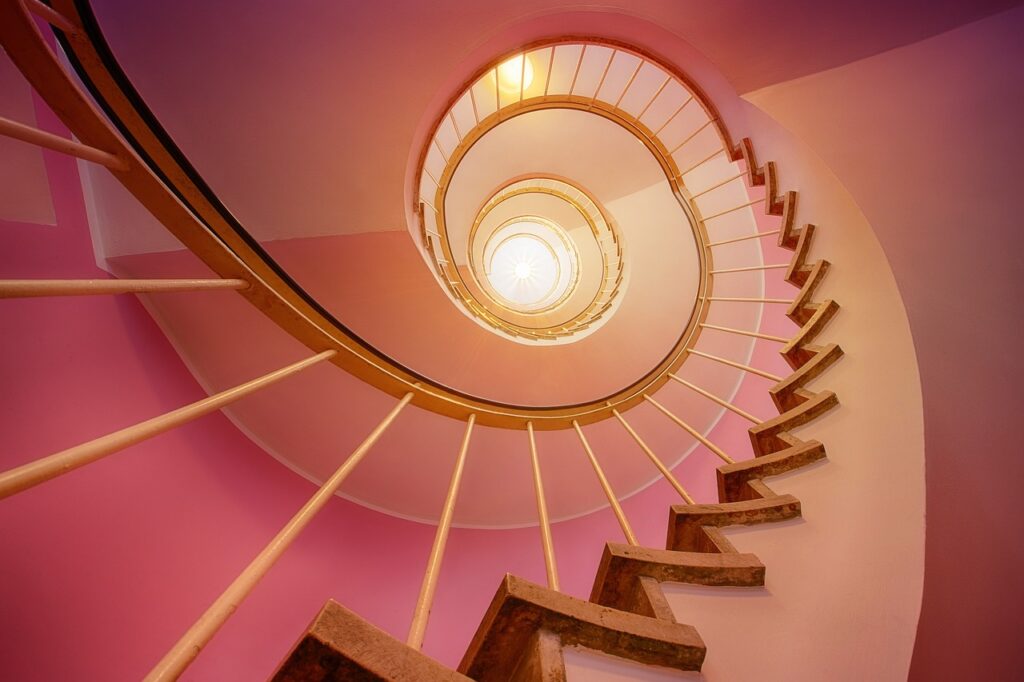
Houses, often perceived as mere shelters, can transcend mundane practicality to become artistic expressions, living testaments to the harmonious marriage of aesthetics and functionality. These architectural houses, as they may be called, are not simply built; they are sculpted, conceived as intricate symphonies of form and space, where every line, every curve, whispers a story of human ingenuity and artistic vision. Our journey through the realm of architectural houses begins not with blueprints and steel beams, but with the primordial urge for shelter. From the earthen huts of ancient civilizations to the timber-framed cottages of medieval Europe, each structure, born from the available materials and shaped by the surrounding environment, embodied a unique architectural language. These early dwellings, though humble, laid the foundation for the complex interplay of form and function that would define architectural houses in the centuries to come. The Renaissance ushered in a new era of artistic and architectural exploration. Inspired by classical ideals, architects like Palladio and Michelangelo crafted houses that were not just living spaces but expressions of grandeur and harmony. Palladian villas, with their symmetrical facades and colonnades, mirrored the order and beauty of ancient Roman architecture, while Michelangelo’s Casa Buonarroti in Florence, with its rusticated stonework and sculptural detailing, embodied the artistic genius of its creator. Across the Atlantic, in the burgeoning young America, a uniquely vernacular architecture began to take root. From the prairie-style houses of Frank Lloyd Wright to the Cape Cod cottages dotting the New England coast, each regional style emerged from the interplay of local materials, climate, and lifestyle. Wright’s Fallingwater, cantilevered dramatically over a waterfall, blurred the lines between interior and exterior, while the simple elegance of Cape Cod cottages, with their shingled roofs and cozy porches, reflected the practicalities of coastal life. The 20th century witnessed a revolution in architectural houses, as bold experimentation and new technologies gave birth to iconic structures that challenged traditional notions of form and function. Guggenheim Museum in New York, with its spiraling ramp and unconventional shape, redefined the museum experience, while Fallingwater in Pennsylvania, with its seamless integration with the natural landscape, redefined the relationship between house and environment. Today, the world of architectural houses continues to evolve, embracing sustainable practices, innovative materials, and a growing awareness of the impact our dwellings have on the environment. From the earth-sheltered houses that blend seamlessly into the landscape to the solar-powered houses generating their own energy, architects are reimagining living spaces as responsible and creative responses to the challenges of the 21st century. Ultimately, an architectural house is not just a collection of bricks and mortar; it is a canvas for human imagination, a stage for life’s dramas, and a testament to our evolving relationship with space and the environment. Each architectural house, whether a grand Palladian villa or a modest earth-sheltered dwelling, whispers a story of innovation, adaptation, and the enduring human desire to create spaces that not only shelter us but also inspire and elevate us. So, the next time you encounter an architectural house, take a moment to appreciate its story, its form, and its function. Let its lines whisper their secrets, and allow yourself to be transported by the symphony of space and light that defines these remarkable living expressions of art and architecture.
A Dance of Pigment and Water: Unveiling the History of Watercolor Paintings
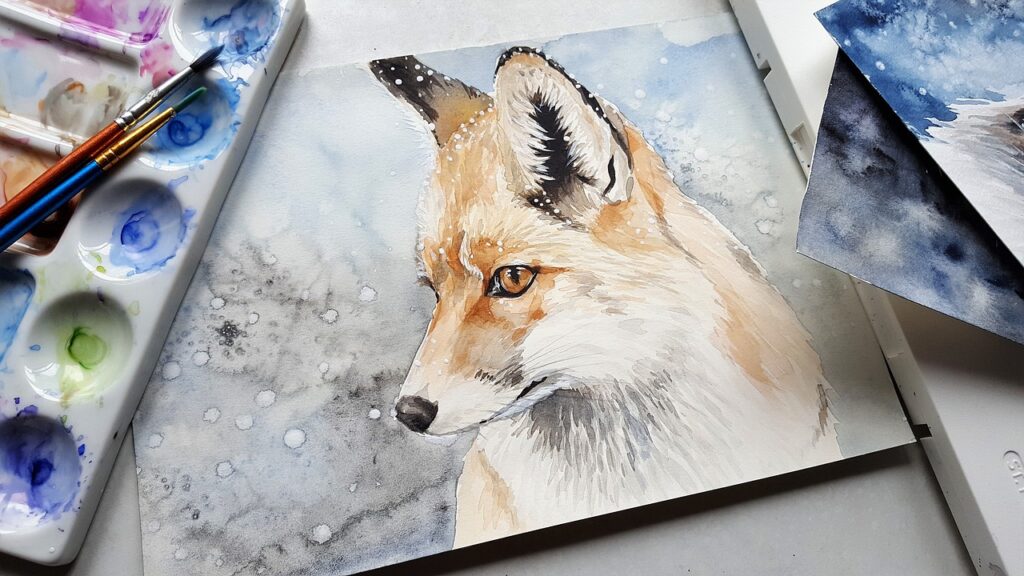
Watercolor painting, with its luminous washes and ethereal blend of pigment and water, has captivated artists for centuries. From the delicate brushstrokes of ancient Egyptians to the vibrant landscapes of Turner, these translucent dreams on paper whisper tales of artistry, innovation, and a unique relationship with the medium itself. Our journey begins not with brushes poised over paper, but with the calloused hands of cave painters. Charcoal and earth, mixed with water, danced across the rough canvas of limestone walls, birthing the earliest recorded examples of watercolor-like techniques. In these prehistoric creations, we see the seeds of an artistic dialogue that would blossom millennia later. Fast forward to the ancient world, and we find watercolor’s delicate touch adorning papyrus scrolls in Egypt and silk manuscripts in China. The Egyptians employed water-based paints to illustrate scenes of daily life and religious rituals, while Chinese masters like Dong Yuan and Guo Xi wielded thin bamboo brushes to capture the grandeur of mountains and flowing rivers, laying the foundation for landscape painting traditions. The Middle Ages saw a shift in focus, with watercolor finding its home in the intricate illustrations of illuminated manuscripts. The vibrant hues and delicate details brought biblical stories and historical narratives to life, transforming the humble book into a canvas for artistic expression. The Luttrell Psalter, with its breathtakingly detailed scenes, stands as a testament to the mastery of medieval watercolorists. The Renaissance ushered in a renewed appreciation for nature and the human form. Watercolor, with its ability to capture subtle light and delicate details, became a favored medium for botanical studies and portrait miniatures. Albrecht Dürer, the German master, employed watercolor to render meticulous botanical illustrations and intimate portraits, while Hans Bol’s masterful landscapes established a tradition of watercolor as a landscape medium in Europe. The 18th and 19th centuries witnessed a golden age for watercolor painting. In England, artists like J.M.W. Turner and John Constable pushed the boundaries of the medium, capturing the drama of the English landscape with expressive washes and vibrant colors. Turner’s “The Fighting Temeraire Tugged to Her Last Berth to Be Broken Up” stands as a masterpiece of this era, a swirling symphony of light and movement that redefined the possibilities of watercolor. Even across the Atlantic, American artists like Winslow Homer and John Singer Sargent were captivated by watercolor’s unique charm. Homer’s sun-drenched seascapes and Sargent’s loose, expressive portraits showcase the versatility of the medium, while simultaneously capturing the essence of American life. Today, the world of watercolor painting continues to thrive, embracing diverse styles and techniques. From the hyperrealism of Charles Reid to the abstract experimentation of Gerhard Richter, artists are finding new ways to express themselves through the dance of pigment and water. Whether it’s the delicate botanical studies of Elizabeth Blackadder or the bold abstracts of Helen Frankenthaler, every brushstroke speaks to the ongoing conversation between artist and medium. So, the next time you encounter a watercolor painting, take a moment to appreciate its history, its delicate nuances, and the unique dance of water and pigment it embodies. Each translucent wash, each subtle layer, whispers a story of artistry, innovation, and the enduring allure of capturing the world through the lens of watercolor’s vibrant dreams.
A Journey Through the History of Metal Sculptures
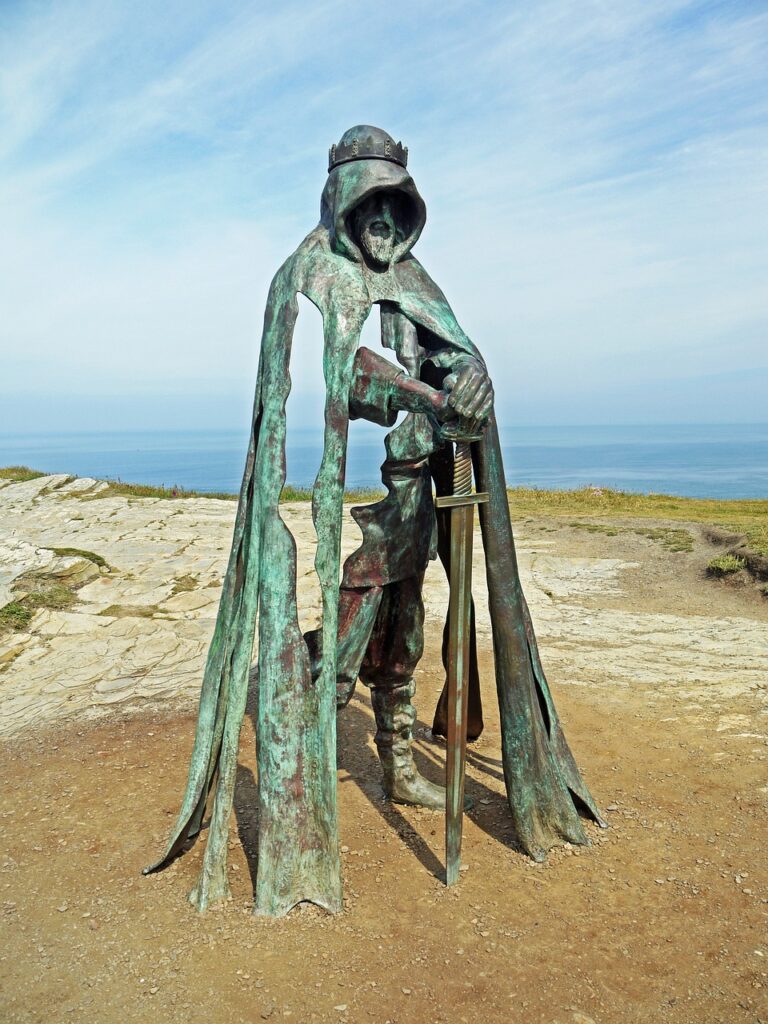
Metal, that cold and unyielding material, has always held a strange allure for humanity. Its resistance to our will, its potential for both destruction and creation, has captivated us for millennia. But perhaps nowhere is this fascination more evident than in the art of metal sculpting, where the rigid metal is coaxed, hammered, and shaped into breathtaking forms that sing silent songs of human ingenuity and imagination. Our journey through the history of metal sculptures begins in the fiery furnaces of the Bronze Age, where civilizations like the Sumerians and Egyptians mastered the art of casting molten bronze into exquisite statues and ritual objects. The “Dancing Girl” of Mohenjo-daro, with her graceful pose and intricate jewelry, stands as a testament to the early mastery of this technique. As time marched on, so did the techniques of metal sculpting. The Greeks, ever in pursuit of perfect form, pioneered the lost-wax casting method, allowing them to create life-size bronze figures of gods and heroes, such as the iconic “Charioteer of Delphi,” frozen in mid-gallop, a timeless embodiment of human ambition. The Middle Ages saw a shift in focus, with metal sculptures adorning not just public spaces but also religious structures. From the intricate wrought iron gates of cathedrals to the gilded reliquaries and devotional objects, metal became a language of faith and reverence. The Great Doors of Gniezno Cathedral, with their intricate scenes from the life of Christ, are a masterpiece of this era, where metal transcends its materiality to become a conduit of the divine. The Renaissance ushered in a renewed appreciation for the human form and classical ideals. Sculptors like Donatello and Michelangelo breathed life into bronze and marble, creating sculptures that were not just representations of bodies but vessels of emotions and narratives. Michelangelo’s “David,” standing proud and defiant, is a prime example of this era’s obsession with anatomical perfection and heroic grandeur. As centuries rolled by, so did the artistic landscape. Industrialization brought new materials and techniques, paving the way for bold experimentation. Iron, steel, and even found objects were incorporated into sculptures, challenging traditional notions of beauty and pushing the boundaries of form. Alexander Calder’s mobiles, with their playful balance and kinetic energy, redefined what a sculpture could be, while Auguste Rodin’s “The Thinker,” a study in human contemplation, captured the introspective spirit of a new age. Today, the world of metal sculpting is a vibrant tapestry of styles and trends. From the monumental stainless steel creations of Richard Serra to the delicate wire sculptures of Louise Bourgeois, artists continue to explore the endless possibilities of this versatile material. As technology advances, so to do the tools and techniques, allowing for even more imaginative expressions. The history of metal sculptures is a testament to the enduring human spirit, our endless quest to mold the unyielding into something beautiful, meaningful, and enduring. Each hammered mark, each welded seam, tells a story of skill, perseverance, and the desire to leave a mark on the world. So, the next time you encounter a metal sculpture, take a moment to appreciate its journey, from the fiery inferno to the artist’s vision, and marvel at the silent conversation it sparks between the cold metal and the beating heart of humanity.
From Soot to Soul: A Journey Through the Allure of Charcoal Art
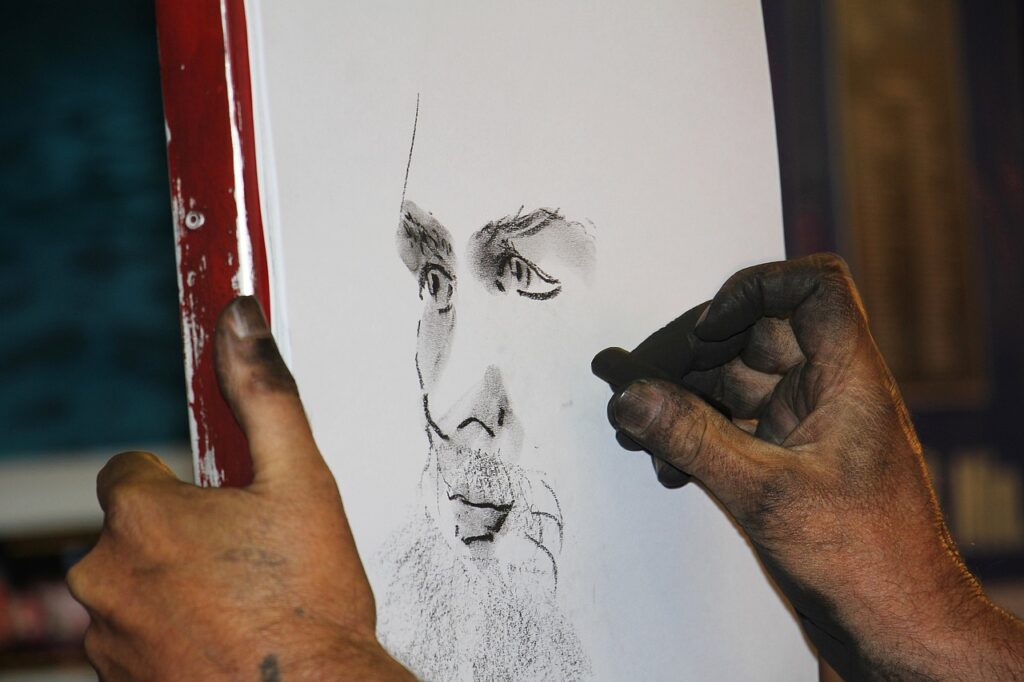
Charcoal, that humble whisper of fire, has captivated artists for millennia. Its rich, velvety blacks, its ability to smudge and dance with the slightest touch, have birthed masterpieces that speak of raw emotion, delicate beauty, and the enduring power of simplicity. Join us on a journey through the alluring world of charcoal art, where every stroke whispers a story and every shadow holds a secret. Our tale begins not in the studios of Renaissance masters, but in the flickering flames of prehistoric caves. Early humans, drawn to the potential of this elemental medium, used charcoal to create the first artistic expressions on stone. These primitive cave paintings, with their bold lines and haunting figures, stand as a testament to the timeless allure of charcoal’s primal energy. Fast forward to ancient Egypt, where skilled artists employed charcoal to adorn tombs and sarcophagi. The intricate portraits, capturing the essence of pharaohs and gods, showcase the versatility of charcoal for both realism and stylized representation. These early works laid the groundwork for the artistic traditions that would emerge in the centuries to come. The Renaissance witnessed a renewed interest in charcoal, primarily as a medium for preparatory sketches and underdrawings. However, artists like Leonardo da Vinci and Michelangelo occasionally embraced its expressive power in finished works. Da Vinci’s “Head of a Young Woman” is a study in delicate sfumato, where charcoal’s subtle gradations create an ethereal beauty. Across the English Channel, the Romantic era saw charcoal blossom into a vibrant artistic language. Artists like William Blake and Henry Fuseli used its bold strokes and expressive potential to capture the drama and emotion of their subjects. Blake’s “Satan and the Angel Fighting” is a whirlwind of charcoal fury, while Fuseli’s “The Nightmare” uses the medium’s inherent darkness to evoke a sense of unease and psychological depth. The 19th and 20th centuries solidified charcoal’s place as a modern art form. Impressionists like Edgar Degas and Mary Cassatt used its loose, gestural strokes to capture the fleeting moments of everyday life. Degas’ “Dancers” is a symphony of movement, while Cassatt’s “The Bath” is a tender study of motherhood, both imbued with the immediacy and energy of charcoal’s touch. Today, charcoal art continues to evolve, embracing new styles and techniques. From the hyperrealistic portraits of Chuck Close to the abstract landscapes of Anselm Kiefer, artists are pushing the boundaries of this ancient medium. Close’s “Self-Portrait I” is a mesmerizing study of human detail, while Kiefer’s “Teutonia” uses charcoal’s raw power to evoke historical and emotional depths. So, the next time you encounter a charcoal drawing, don’t simply see black lines on paper. Look closer, and you’ll discover the whispers of fire, the echoes of history, and the raw emotion that lies beneath the surface. Charcoal art, in its simplicity, is a testament to the enduring power of human expression, a reminder that sometimes, the most profound beauty can be found in the deepest shades of black. Let the charcoal whisper its secrets to you. Let it ignite your own artistic spark and embark on your own journey through this timeless medium. Remember, every stroke, every smudge, is a chance to create something truly unique, something that speaks your soul and leaves its mark on the world.
The Enchanting Era of Turkish Pottery Dug From Anatolian Earth
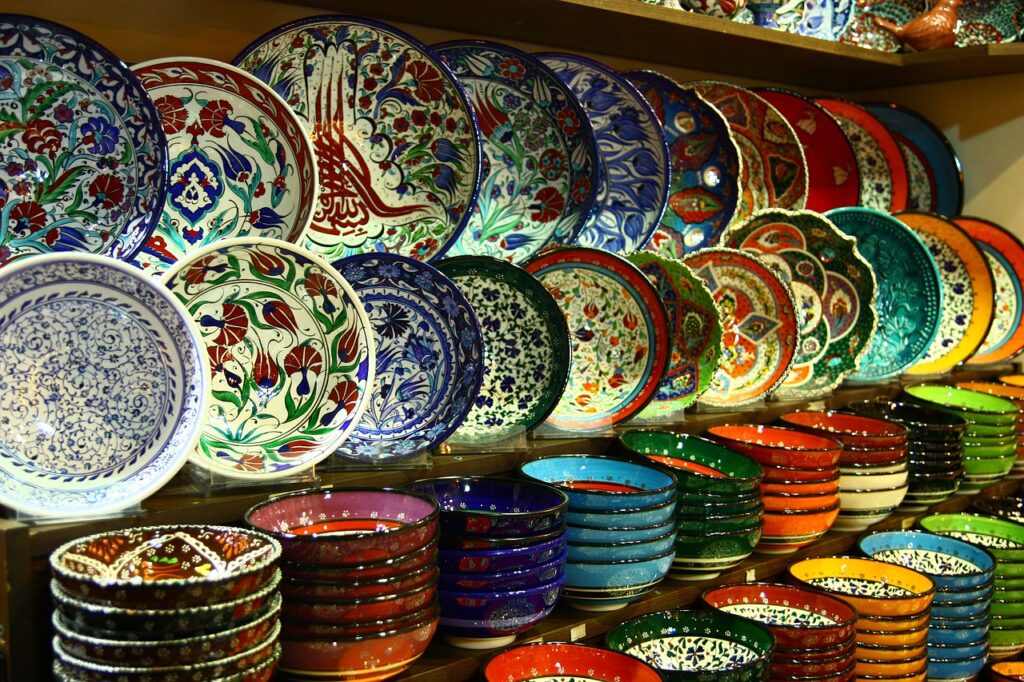
In the land where East meets West, where ancient whispers mingle with modern melodies, lies a realm where clay dances with fire, and beauty blooms from the earth’s embrace: Turkish pottery. Join us on a captivating journey through this timeless art form, where each brushstroke of glaze whispers tales of history, tradition, and an enduring love for handcrafted wonder. Our story begins not in gleaming showrooms, but in the sun-drenched villages of Anatolia. From the dawn of civilization, potters have coaxed magic from the earth, their hands whispering secrets from generation to generation. Hittite patterns dance on terracotta jars, echoing ancient rituals. Byzantine influences unfurl in swirling motifs, whispering tales of empires long past. The whispers of these early creations lay the foundation for the breathtaking artistry that would blossom in the centuries to come. Fast forward to the Ottoman era, and Turkish pottery explodes in a symphony of color and design. Iznik, the “pearl of ceramics,” takes center stage. Its cobalt blues, fiery reds, and emerald greens whisper of palace gardens and opulent sultans. Floral patterns intertwine with geometric precision, each stroke a love letter to Ottoman courtly aesthetics. Across the vast Ottoman realm, regional styles flourish, each whispering its own unique story. Kutahya’s vibrant underglaze paintings shimmer with tales of Anatolian folklore. Çanakkale’s sturdy redware speaks of fishermen’s hands and salty sea winds. Each piece, from the grandest ewers to the humblest bowls, bears the imprint of a cultural tapestry woven over centuries. But Turkish pottery is not a relic of the past. It flourishes in the hands of contemporary artists, who breathe new life into ancient traditions. Masters like Arif Kırımlı reinterpret classical motifs with modern sensibilities, their brushstrokes whispering of a dynamic art form that refuses to be confined by history. Innovative designs and unconventional materials find their way onto the clay canvas, proving that Turkish pottery is a living conversation between past and present. The enduring allure of Turkish pottery lies in its inherent magic. Each piece is a conversation between earth and fire, whispering tales of the potter’s passion, the kiln’s embrace, and the dance of glaze and pigment. It is a tangible connection to history, a portal to the vibrant cultures that have shaped Anatolia over millennia. But beyond its historical significance, Turkish pottery speaks to the universal human desire for beauty and the comfort of handcrafted objects. A hand-painted bowl whispers of shared meals and family laughter. A decorative tile on a wall sings of ancient melodies and sun-drenched courtyards. Each piece invites us to slow down, to appreciate the tactile beauty of clay, and to connect with the artisan’s soul through the whispers of their brushstrokes. So, the next time you encounter a piece of Turkish pottery, don’t simply admire its beauty. Let your fingertips trace the contours, feel the sun-warmed clay, and listen to the whispers of history and artistry it sings. Remember, Turkish pottery is not just an object; it is a window into a vibrant culture, a testament to human creativity, and a reminder that beauty can blossom from the simplest of materials. And perhaps, in the glow of these handcrafted wonders, you’ll find yourself inspired to add your own chapter to this timeless story, crafting objects that whisper their own unique tales of creativity and connection. Let the clay sing, let the glaze dance, and let the whispers of Turkish pottery lead you on a journey of artistic enchantment.
Sunflowers in the Land of Eagles, Van Gogh’s American Exhibitions

Imagine a world swirling with vibrant hues, where stars dance on canvases and sunflowers radiate a golden glow. This, dear reader, is the world of Vincent van Gogh, and in 2023, it swept across the United States in a series of exhibitions that captivated audiences and reignited the flame of his artistic genius. Join us on a journey through these immersive experiences, where brushstrokes whisper tales of a troubled soul and bold colors sing of a relentless passion for life. Our story begins not in grand museums, but in the heart of the American Midwest. Detroit’s Institute of Arts, the first public museum in the US to acquire a Van Gogh, hosted “Van Gogh in America,” a monumental exhibition showcasing 74 authentic works. Stepping into the gallery was akin to stepping into a Van Gogh painting itself. The walls vibrated with the swirling brushwork of his iconic landscapes, the familiar faces of his portraits seemed to gaze back with knowing eyes, and the sunflowers, those golden symbols of hope and resilience, stood tall and proud, their petals echoing the vastness of the American plains. But “Van Gogh in America” was not just a retrospective. It was a conversation, a dialogue between the artist and the American spirit. The exhibition explored how Van Gogh’s work resonated with American audiences, from the early fascination of artists like Mary Cassatt to the profound impact he had on Abstract Expressionists like Jackson Pollock. Each brushstroke whispered of a shared yearning for individuality, a rebellion against artistic conventions, and a relentless pursuit of beauty amidst the shadows of life. Across the country, other exhibitions echoed this theme. The Museum of Fine Arts in Houston, Texas, brought together masterpieces from the Pearlman Foundation, showcasing Van Gogh’s fascination with nature and his unique ability to transform everyday objects into vessels of poetic expression. In Chicago, the Art Institute delved into the artist’s relationship with his brother Theo, their letters whispering tales of support and artistic camaraderie, reminding us that even in the midst of personal struggles, creativity can find a way to bloom. But the Van Gogh exhibitions weren’t confined to traditional museums. Immersive experiences, like “Van Gogh: The Immersive Experience,” took audiences on a journey through the artist’s life and work, using projections and virtual reality to create a multi-sensory feast for the senses. Sunflowers danced across walls, brushstrokes swirled around visitors, and the artist’s words echoed through the air, weaving a tapestry of light and sound that brought Van Gogh’s world to life in a way that static paintings never could. The impact of these exhibitions extended far beyond the gallery walls. Social media buzzed with photos and videos, sparking conversations about mental health, artistic expression, and the enduring power of beauty. Van Gogh’s brushstrokes became a rallying cry for creativity, a reminder that even in the darkest of times, a spark of color can ignite a revolution. So, the next time you encounter a Van Gogh painting, remember the whispers of the American exhibitions. Remember the sun-drenched sunflowers standing tall against the backdrop of urban landscapes, the swirling brushstrokes echoing the vastness of the prairies, and the artist’s voice, carried across the ocean, reminding us that beauty can bloom even in the most unexpected places. Let his colors inspire your own artistic journey, let his passion fuel your own creative fire, and let the whispers of Van Gogh guide you on a path where imagination knows no bounds. For in the end, that is the true legacy of these American exhibitions: they weren’t just about showcasing art; they were about reminding us that art is a language, a conversation that transcends borders and speaks to the soul in a language of color, light, and emotion. And in that conversation, Van Gogh’s brushstrokes whisper an invitation: join me, dance with me, and let your own colors shine.
A Whimsical Waltz Through the NFT Universe

In the vibrant marketplace of human ingenuity, a new currency whispers promises of ownership and revolution: the Non-Fungible Token (NFT). Born from the ether of blockchain technology, it paints a mesmerizing picture of digital scarcity in a world awash with abundance. Join us on a whimsical journey through the history of NFTs, exploring their enigmatic origins, burgeoning popularity, and the captivating brushstrokes that paint their future. Our tale begins not in bustling auction houses, but in the hushed whispers of tech forums and crypto circles. Around 2014, artists like Kevin McCoy and Anil Dash began experimenting with blockchain technology, seeking to create unique digital tokens proving ownership of their online creations. These early NFTs, like McCoy’s iconic “Quantum,” were more pixelated whispers than dazzling masterpieces, yet they laid the foundation for a revolution in how we value and interact with digital art. Fast forward to the mid-2010s, and the NFT canvas explodes with color. Platforms like CryptoPunks and CryptoKitties burst onto the scene, offering collections of quirky, pixelated characters, each one unique and immutably owned. The art world takes notice, with digital artists like Beeple and Pak finding their works fetching millions in online auctions. NFTs, once a niche curiosity, become a global phenomenon, their digital brushstrokes whispering of a new art market, unbound by the constraints of physical galleries and traditional forms. But what fuels the captivating allure of NFTs? Their value lies not just in their scarcity, but in the possibilities they unlock. They empower artists to monetize their digital creations directly, cutting out intermediaries and fostering a vibrant, artist-centric ecosystem. For collectors, they offer a new domain for patronage, a chance to own a piece of the digital future, and a community of like-minded enthusiasts connected by the invisible threads of shared ownership. Furthermore, NFTs transcend the confines of static images. They become portals to interactive experiences, dynamic artworks that evolve over time, and even virtual land in burgeoning metaverses. Imagine owning a digital artwork that responds to your emotions, a character in a virtual world you co-create with other owners, or a piece of history embedded in the blockchain, its ownership story etched in digital stone. This is the captivating landscape that NFTs paint, whispering of a future where art and technology dance in harmonious collaboration. Of course, not all brushstrokes are masterpieces. As with any nascent technology, challenges abound. Concerns about environmental impact, market volatility, and potential scams swirl around the NFT marketplace. Yet, amidst these whispers of doubt, a vibrant community of artists, collectors, and developers continues to paint a brighter future. Educational initiatives, sustainable blockchain solutions, and ethical marketplaces are emerging, guiding the NFT revolution towards a more responsible and inclusive vision. So, the next time you encounter an NFT, don’t simply dismiss it as a digital fad. Let the possibilities dance in your mind, hear the whispers of a new frontier for art and ownership. Remember, NFTs are not just collectible tokens; they are brushstrokes in a larger narrative, a story of human creativity pushing the boundaries of technology and redefining the very concept of value in the digital age. And perhaps, in the glow of these pixelated deeds, you’ll find yourself inspired to pick up your own digital brush and add your own verse to this captivating saga. The art market is undergoing a seismic shift, and NFTs are leading the charge. Embrace the vibrant strokes of this digital renaissance, listen to the whispers of possibility, and let your imagination paint the future of art and ownership in this brave new world.
Digital Art’s Emergence and Enduring Allure

In the swirling nebula of human creativity, a new star has ignited: digital art. Born from the marriage of technology and imagination, it pulsates with a vibrant energy, pushing the boundaries of artistic expression and captivating audiences with its boundless possibilities. Join us on a cosmic journey through the history of this ever-evolving art form, from its pixelated beginnings to its dazzling present, and ponder the secrets behind its meteoric rise to artistic prominence. Our tale begins not in sleek studios, but in the flickering glow of early computer screens. The 1960s and 70s saw pioneers like Lillian Schwartz and Harold Cohen experimenting with rudimentary software, coaxing rudimentary shapes and patterns from the nascent digital canvas. These early brushstrokes, though basic, whispered of a future where technology would become an artistic tool, a paintbrush dipped in pixels rather than pigment. Fast forward to the 1980s and 90s, and the pixelated palette explodes. Personal computers become accessible, birthing software giants like Adobe Photoshop and propelling digital art into the mainstream. Artists like David Hockney and Jeff Koons embrace the new medium, their works blurring the lines between traditional and digital, each pixel whispering of the revolutionary potential within. The dawn of the 21st century unleashed a digital deluge. The internet becomes the ultimate gallery, showcasing the works of countless artists in a global, democratized platform. Social media becomes the town square, fostering vibrant communities and igniting passionate conversations about the merits and impact of digital art. From the hyperrealism of CG imagery to the playful whimsy of pixel art, the breadth of styles and techniques expands, each stroke whispering a unique artistic vision. But why has digital art captivated audiences and challenged artistic conventions? Its allure lies in its inherent magic. It grants artists unheard-of control, allowing them to sculpt worlds from scratch, manipulate reality with a click, and experiment with colors and textures beyond the constraints of physical materials. It democratizes art, breaking down barriers to entry and empowering anyone with a digital brush to unleash their creativity. Furthermore, digital art speaks to the language of our times. In a world saturated with screens and pixels, it becomes a native tongue, resonating with a generation raised on digital aesthetics and immersive experiences. Its fluidity and interactivity mirror the ever-evolving digital landscape, its adaptability whispering of a future where art and technology are inextricably intertwined. But the rise of digital art is not without its challenges. Critics may argue that it lacks the soul and texture of traditional mediums, or that its inherent reproducibility diminishes its value. Yet, these arguments miss the point. Digital art is not a replacement for traditional forms; it is a new language, a new brush in the vast artist’s toolkit. Its value lies not in its physicality, but in its boundless potential to express, to captivate, and to challenge our very understanding of what art can be. So, the next time you encounter a dazzling digital artwork, don’t simply scroll past. Let the pixels dance in your eyes, let the algorithms whisper their stories, and allow yourself to be transported to the cutting edge of human creativity. Remember, digital art is more than just a trend; it is a revolution, a testament to the ever-evolving human spirit and its insatiable desire to create. And perhaps, in the glow of these digital brushstrokes, you’ll find yourself inspired to pick up your own digital palette and add your own verse to this ever-unfolding symphony of creativity. The future of art is a luminous canvas, and digital art is poised to paint a masterpiece. Let’s embrace its vibrant strokes, listen to its pixelated whispers, and celebrate the dawn of a new era in artistic expression.
