
A Dance of Pigment and Water: Unveiling the History of Watercolor Paintings
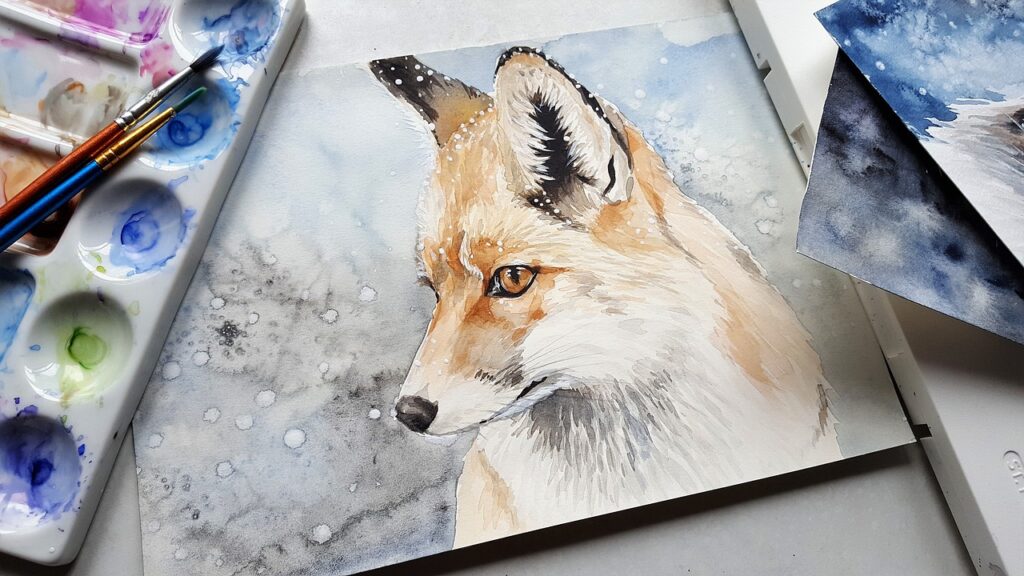
Watercolor painting, with its luminous washes and ethereal blend of pigment and water, has captivated artists for centuries. From the delicate brushstrokes of ancient Egyptians to the vibrant landscapes of Turner, these translucent dreams on paper whisper tales of artistry, innovation, and a unique relationship with the medium itself. Our journey begins not with brushes poised over paper, but with the calloused hands of cave painters. Charcoal and earth, mixed with water, danced across the rough canvas of limestone walls, birthing the earliest recorded examples of watercolor-like techniques. In these prehistoric creations, we see the seeds of an artistic dialogue that would blossom millennia later. Fast forward to the ancient world, and we find watercolor’s delicate touch adorning papyrus scrolls in Egypt and silk manuscripts in China. The Egyptians employed water-based paints to illustrate scenes of daily life and religious rituals, while Chinese masters like Dong Yuan and Guo Xi wielded thin bamboo brushes to capture the grandeur of mountains and flowing rivers, laying the foundation for landscape painting traditions. The Middle Ages saw a shift in focus, with watercolor finding its home in the intricate illustrations of illuminated manuscripts. The vibrant hues and delicate details brought biblical stories and historical narratives to life, transforming the humble book into a canvas for artistic expression. The Luttrell Psalter, with its breathtakingly detailed scenes, stands as a testament to the mastery of medieval watercolorists. The Renaissance ushered in a renewed appreciation for nature and the human form. Watercolor, with its ability to capture subtle light and delicate details, became a favored medium for botanical studies and portrait miniatures. Albrecht Dürer, the German master, employed watercolor to render meticulous botanical illustrations and intimate portraits, while Hans Bol’s masterful landscapes established a tradition of watercolor as a landscape medium in Europe. The 18th and 19th centuries witnessed a golden age for watercolor painting. In England, artists like J.M.W. Turner and John Constable pushed the boundaries of the medium, capturing the drama of the English landscape with expressive washes and vibrant colors. Turner’s “The Fighting Temeraire Tugged to Her Last Berth to Be Broken Up” stands as a masterpiece of this era, a swirling symphony of light and movement that redefined the possibilities of watercolor. Even across the Atlantic, American artists like Winslow Homer and John Singer Sargent were captivated by watercolor’s unique charm. Homer’s sun-drenched seascapes and Sargent’s loose, expressive portraits showcase the versatility of the medium, while simultaneously capturing the essence of American life. Today, the world of watercolor painting continues to thrive, embracing diverse styles and techniques. From the hyperrealism of Charles Reid to the abstract experimentation of Gerhard Richter, artists are finding new ways to express themselves through the dance of pigment and water. Whether it’s the delicate botanical studies of Elizabeth Blackadder or the bold abstracts of Helen Frankenthaler, every brushstroke speaks to the ongoing conversation between artist and medium. So, the next time you encounter a watercolor painting, take a moment to appreciate its history, its delicate nuances, and the unique dance of water and pigment it embodies. Each translucent wash, each subtle layer, whispers a story of artistry, innovation, and the enduring allure of capturing the world through the lens of watercolor’s vibrant dreams.
Fire and Form: A History of Welding’s Artistic Embrace
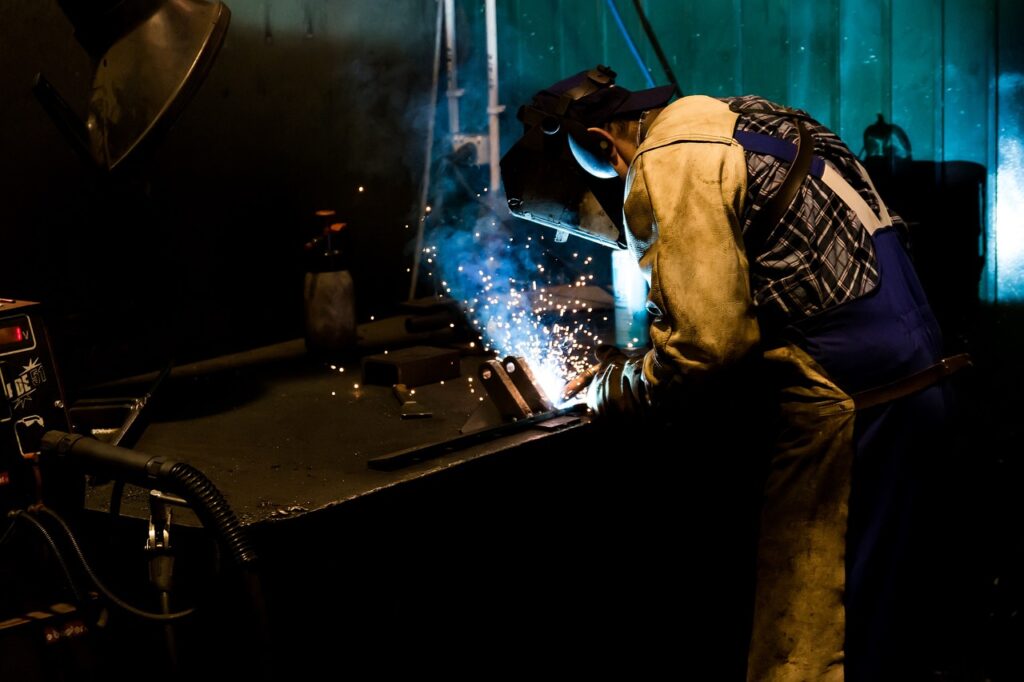
Welding, in its essence, is a dance with fire. It’s the taming of molten metal, the coaxing of raw potential into forms that sing of both strength and delicate artistry. While often associated with industrial applications, welding has, for centuries, whispered its magic into the realm of art, creating captivating sculptures that redefine our understanding of metal’s possibilities. Our journey through the history of welding’s artistic embrace begins not with sparks and electrodes, but with the gentle heat of a blacksmith’s forge. Iron, once a stubborn adversary, learned to bend to the will of the hammer and forge, birthing weapons, tools, and, eventually, rudimentary sculptures. From the elegant Celtic torcs to the intricate Viking swords, metal, joined by hammering and heat, whispered tales of a nascent artistic dialogue. The Industrial Revolution ushered in a new era, not just for metalworking, but for art itself. Arc welding, invented in the 19th century, became the new language of fire, allowing artists to sculpt with molten metal with unprecedented precision and freedom. Pioneering artists like Alexander Calder embraced the technique, crafting his iconic mobiles from steel, their graceful dance a testament to the newfound possibilities. Calder’s “Lobster Trap and Fish Tail,” a whimsical ballet of welded steel, embodies this innovative spirit. The 20th century saw a veritable explosion of artistic welding. Pablo Picasso, the ever-restless innovator, incorporated welded scrap metal into his Cubist creations, challenging traditional notions of sculpture and beauty. His “Guitar,” a fragmented yet harmonious assemblage of welded sheet metal, exemplifies this bold reimagining of form. In the hands of David Smith, steel transformed into dynamic, abstract entities. His “Tanktotem,” a towering assemblage of welded metal fragments, pulsates with a vibrant energy, a monument to the transformative power of molten metal and artistic vision. The contemporary art scene continues to pulsate with the creativity of welders. Eva Zeisel, known for her whimsical furniture, brought warmth and personality to cold steel, while Louise Bourgeois’s expressive spider sculptures, woven from steel and mesh, delve into the depths of human emotions. Today, welding, with its ever-evolving techniques and technologies, like laser cutting and plasma welding, is a potent tool in the hands of artists pushing the boundaries of metal sculpture. Whether it’s the monumental steel landscapes of Maya Lin or the intricate welded tapestries of Jessica Clark, every spark, every bead of molten metal, tells a story of fire, form, and the boundless human imagination. The history of welding, in its artistic expression, is not just a chronicle of technological advancements, but a testament to the enduring human fascination with transformation. It’s a story whispered in sparks and sung in the symphony of clanging metal, where fire becomes an artist’s brush, and molten metal, the clay of dreams. So, the next time you encounter a welded sculpture, let its intricate seams and fiery spirit transport you on this journey, and experience the transformative power of fire and form.
