
A Journey Through the History of Metal Sculptures
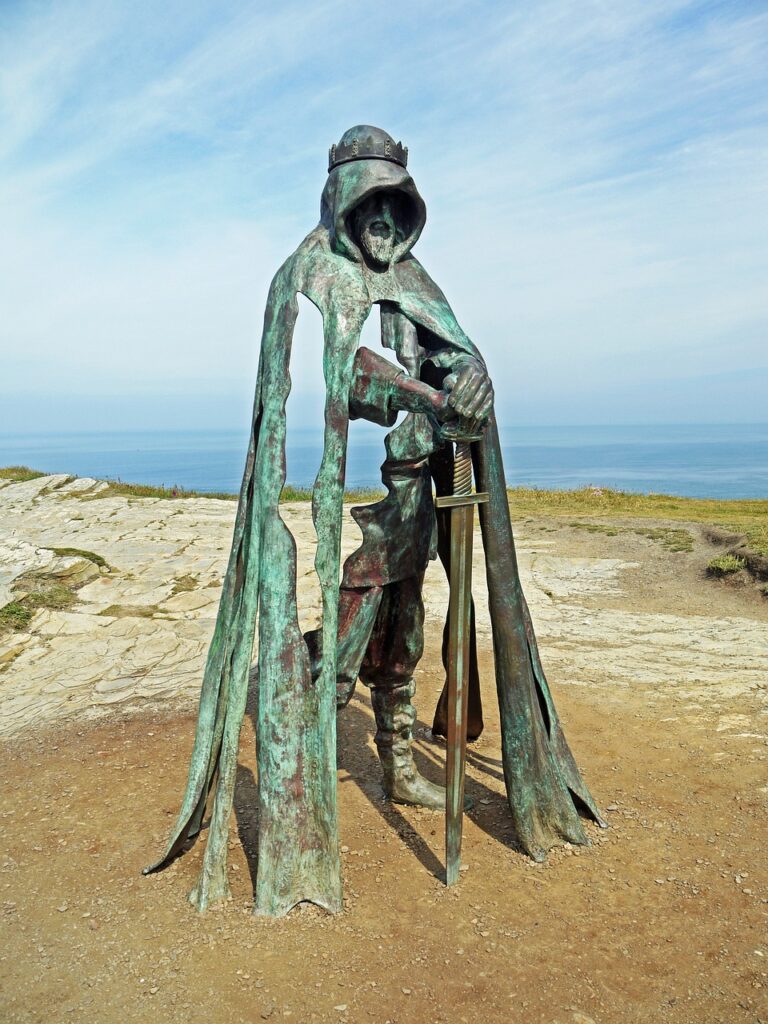
Metal, that cold and unyielding material, has always held a strange allure for humanity. Its resistance to our will, its potential for both destruction and creation, has captivated us for millennia. But perhaps nowhere is this fascination more evident than in the art of metal sculpting, where the rigid metal is coaxed, hammered, and shaped into breathtaking forms that sing silent songs of human ingenuity and imagination. Our journey through the history of metal sculptures begins in the fiery furnaces of the Bronze Age, where civilizations like the Sumerians and Egyptians mastered the art of casting molten bronze into exquisite statues and ritual objects. The “Dancing Girl” of Mohenjo-daro, with her graceful pose and intricate jewelry, stands as a testament to the early mastery of this technique. As time marched on, so did the techniques of metal sculpting. The Greeks, ever in pursuit of perfect form, pioneered the lost-wax casting method, allowing them to create life-size bronze figures of gods and heroes, such as the iconic “Charioteer of Delphi,” frozen in mid-gallop, a timeless embodiment of human ambition. The Middle Ages saw a shift in focus, with metal sculptures adorning not just public spaces but also religious structures. From the intricate wrought iron gates of cathedrals to the gilded reliquaries and devotional objects, metal became a language of faith and reverence. The Great Doors of Gniezno Cathedral, with their intricate scenes from the life of Christ, are a masterpiece of this era, where metal transcends its materiality to become a conduit of the divine. The Renaissance ushered in a renewed appreciation for the human form and classical ideals. Sculptors like Donatello and Michelangelo breathed life into bronze and marble, creating sculptures that were not just representations of bodies but vessels of emotions and narratives. Michelangelo’s “David,” standing proud and defiant, is a prime example of this era’s obsession with anatomical perfection and heroic grandeur. As centuries rolled by, so did the artistic landscape. Industrialization brought new materials and techniques, paving the way for bold experimentation. Iron, steel, and even found objects were incorporated into sculptures, challenging traditional notions of beauty and pushing the boundaries of form. Alexander Calder’s mobiles, with their playful balance and kinetic energy, redefined what a sculpture could be, while Auguste Rodin’s “The Thinker,” a study in human contemplation, captured the introspective spirit of a new age. Today, the world of metal sculpting is a vibrant tapestry of styles and trends. From the monumental stainless steel creations of Richard Serra to the delicate wire sculptures of Louise Bourgeois, artists continue to explore the endless possibilities of this versatile material. As technology advances, so to do the tools and techniques, allowing for even more imaginative expressions. The history of metal sculptures is a testament to the enduring human spirit, our endless quest to mold the unyielding into something beautiful, meaningful, and enduring. Each hammered mark, each welded seam, tells a story of skill, perseverance, and the desire to leave a mark on the world. So, the next time you encounter a metal sculpture, take a moment to appreciate its journey, from the fiery inferno to the artist’s vision, and marvel at the silent conversation it sparks between the cold metal and the beating heart of humanity.
From Soot to Soul: A Journey Through the Allure of Charcoal Art
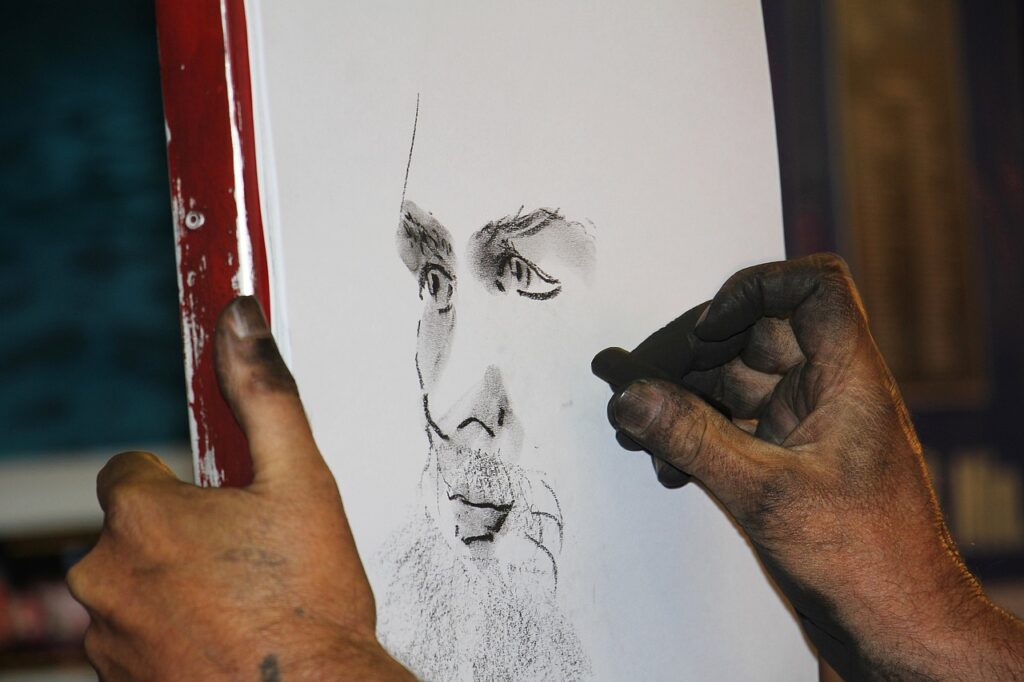
Charcoal, that humble whisper of fire, has captivated artists for millennia. Its rich, velvety blacks, its ability to smudge and dance with the slightest touch, have birthed masterpieces that speak of raw emotion, delicate beauty, and the enduring power of simplicity. Join us on a journey through the alluring world of charcoal art, where every stroke whispers a story and every shadow holds a secret. Our tale begins not in the studios of Renaissance masters, but in the flickering flames of prehistoric caves. Early humans, drawn to the potential of this elemental medium, used charcoal to create the first artistic expressions on stone. These primitive cave paintings, with their bold lines and haunting figures, stand as a testament to the timeless allure of charcoal’s primal energy. Fast forward to ancient Egypt, where skilled artists employed charcoal to adorn tombs and sarcophagi. The intricate portraits, capturing the essence of pharaohs and gods, showcase the versatility of charcoal for both realism and stylized representation. These early works laid the groundwork for the artistic traditions that would emerge in the centuries to come. The Renaissance witnessed a renewed interest in charcoal, primarily as a medium for preparatory sketches and underdrawings. However, artists like Leonardo da Vinci and Michelangelo occasionally embraced its expressive power in finished works. Da Vinci’s “Head of a Young Woman” is a study in delicate sfumato, where charcoal’s subtle gradations create an ethereal beauty. Across the English Channel, the Romantic era saw charcoal blossom into a vibrant artistic language. Artists like William Blake and Henry Fuseli used its bold strokes and expressive potential to capture the drama and emotion of their subjects. Blake’s “Satan and the Angel Fighting” is a whirlwind of charcoal fury, while Fuseli’s “The Nightmare” uses the medium’s inherent darkness to evoke a sense of unease and psychological depth. The 19th and 20th centuries solidified charcoal’s place as a modern art form. Impressionists like Edgar Degas and Mary Cassatt used its loose, gestural strokes to capture the fleeting moments of everyday life. Degas’ “Dancers” is a symphony of movement, while Cassatt’s “The Bath” is a tender study of motherhood, both imbued with the immediacy and energy of charcoal’s touch. Today, charcoal art continues to evolve, embracing new styles and techniques. From the hyperrealistic portraits of Chuck Close to the abstract landscapes of Anselm Kiefer, artists are pushing the boundaries of this ancient medium. Close’s “Self-Portrait I” is a mesmerizing study of human detail, while Kiefer’s “Teutonia” uses charcoal’s raw power to evoke historical and emotional depths. So, the next time you encounter a charcoal drawing, don’t simply see black lines on paper. Look closer, and you’ll discover the whispers of fire, the echoes of history, and the raw emotion that lies beneath the surface. Charcoal art, in its simplicity, is a testament to the enduring power of human expression, a reminder that sometimes, the most profound beauty can be found in the deepest shades of black. Let the charcoal whisper its secrets to you. Let it ignite your own artistic spark and embark on your own journey through this timeless medium. Remember, every stroke, every smudge, is a chance to create something truly unique, something that speaks your soul and leaves its mark on the world.
